
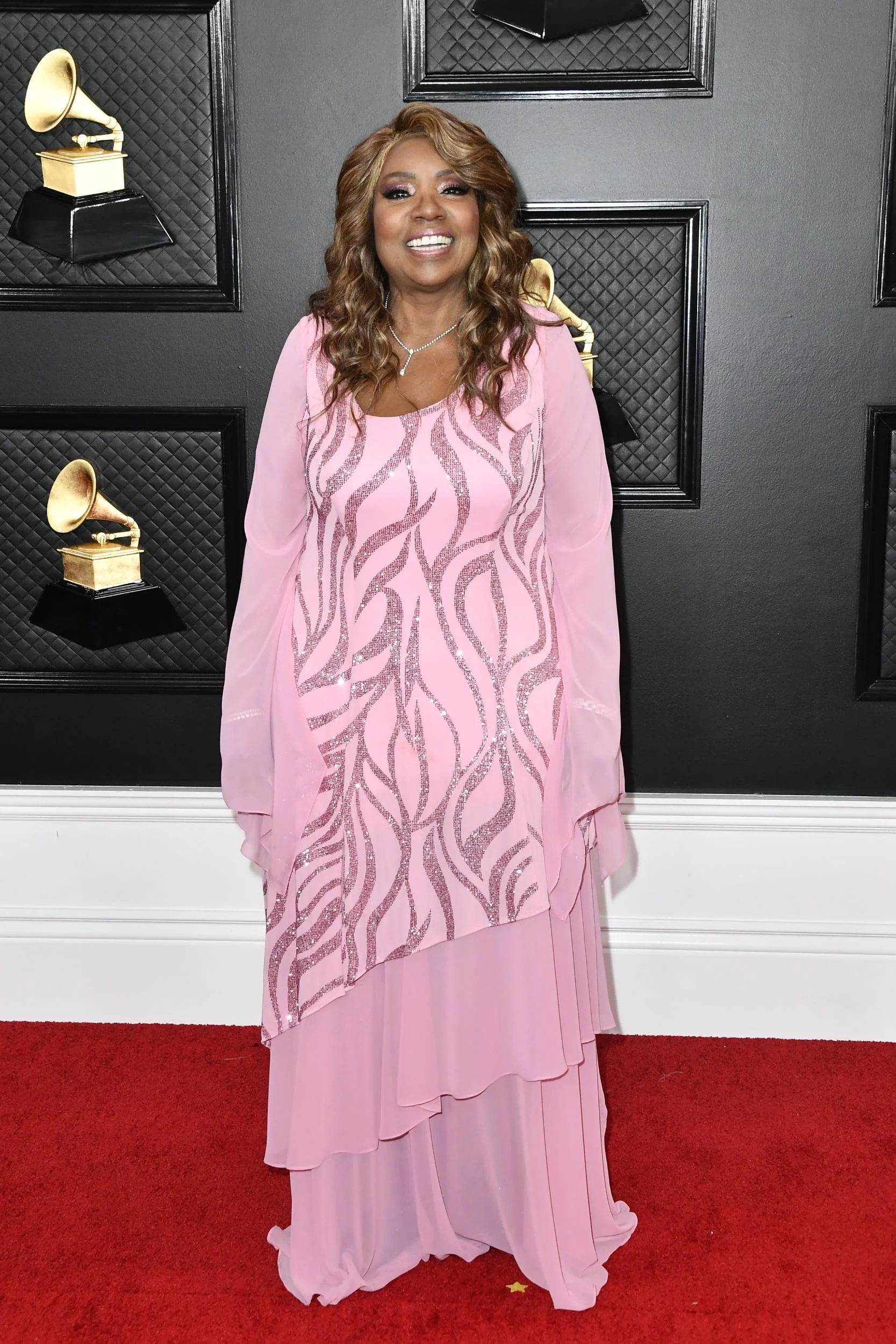
The year was 1978, a time when the mirror balls of Studio 54 were spinning, and the air was thick with the scent of hairspray and revolution. Yet, in the sterile offices of the record industry, a tragedy was unfolding. A song that would eventually define a generation—Gloria Gaynor’s legendary I Will Survive—was being treated like a discarded relic. Executives buried the track as a mere B-side, convinced it lacked the polished, synthetic sheen needed to dominate the airwaves. They saw nothing but a failure, a musical footnote destined to collect dust on the shelves of warehouse obscurity.
But the record giants had severely underestimated the heartbeat of the underground. While executives turned their backs, defiant DJs in smoke-filled, subterranean clubs saw something different. They flipped the vinyl, dropped the needle, and heard the raw, pulsating power of a woman reclaiming her strength. As the opening piano chords cut through the humid night air, the dance floor transformed. These gatekeepers of the night understood that Gloria Gaynor was singing not just a song, but an anthem of survival that resonated with every soul who had been told they were not enough.
History was rewritten one spin at a time. The track surged from the clubs into the cultural consciousness, becoming a beacon of resilience that transcended the glittery facade of the disco era. Gloria Gaynor, once sidelined by the very people who should have championed her, found herself the voice of a global movement. It was a rare moment where the power shifted from the boardroom to the booth, proving that authentic emotion will always outlast manufactured hype. The song became a permanent fixture in the soundtrack of the late seventies, a defiance of expectations that mirrored the grit of the artists themselves.
Looking back, it is easy to forget how fragile that breakthrough was. Without those fearless DJs spinning the record on loop, Gloria Gaynor might have faded into the background of music history. Instead, her voice became the rallying cry for anyone who had been kicked, broken, or discarded by life. It is the kind of drama that makes the music of that era so hauntingly beautiful; it wasn’t just about the beat, it was about the blood and tears poured into the grooves of the record.
Even decades later, hearing those opening notes transports you back to the golden age of vinyl and the flickering lights of the dance floor. Gloria Gaynor proved that the human spirit is the most powerful instrument in the studio. Her masterpiece remains a testament to what happens when you refuse to be buried by corporate indifference. As the music continues to echo through time, we are reminded that sometimes, the best stories are the ones the experts tried to silence. Next time you hear the anthem, remember the underground war fought to keep her voice alive.