
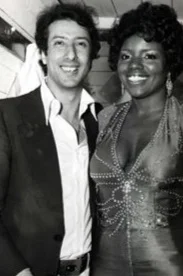
The year was 1980, and the air in the Los Angeles Shrine Auditorium was thick with the scent of hairspray and high-stakes tension. As Gloria Gaynor ascended the stage to accept the Grammy for Best Disco Recording, she felt like a queen reclaiming her throne. With “I Will Survive” blasting through the speakers, she was the face of a movement that had transformed underground dance clubs into the heartbeat of global culture. Yet, as the golden statue rested in her hands, she could not have known that she was holding the first, last, and only Grammy ever awarded to the genre. Beneath the sequins and the glittering mirrored balls of Studio 54, the industry was already sharpening its knives to bury disco forever.
To understand the magnitude of this moment, one must look at the cultural explosion of the late seventies. Disco was more than just a sound; it was a sanctuary. It was a place where the marginalized, the dreamers, and the night-owls found liberation under the strobe lights. Gloria Gaynor was its high priestess, providing the anthem for resilience that resonated far beyond the velvet ropes of the hottest clubs. She turned a breakup song into a universal declaration of strength, but as she stood under those harsh spotlights, the tide of popular opinion had already begun to shift against her. The industry, ever fickle, was pivoting away from the dance floor toward the grittier, rock-oriented soundscapes that would dominate the next decade.
The industry backlash known as the ‘Disco Demolition Night’ was just the beginning of a systematic cultural erasure. As the Walkman began to replace the communal Jukebox, the intimacy of the dance floor was traded for the isolation of headphones. Gloria Gaynor became the unwitting symbol of a genre being pushed into the shadows of history. It is a haunting irony that the very song meant to celebrate survival would become the final epitaph for disco’s mainstream dominance. While she performed with the grace of a legend, the corporate powers behind the music were already looking for the next trend, effectively cutting the power to the disco movement just as it reached its commercial peak.
Looking back, the loneliness of that victory is palpable. Gloria Gaynor held that Grammy as a testament to a movement that was being dismantled by those who had once profited from its success. The era of pure, unadulterated dance-floor joy was being replaced by the synth-pop and new wave aesthetic of the eighties. It was a cold, calculated move, one that forced the glitter to fade into the backdrop of a changing musical landscape. Yet, even as the genre was declared dead by critics and radio stations alike, the spirit of that night remained captured in the grooves of her vinyl records.
Today, the legacy of Gloria Gaynor survives because her music possesses a timeless quality that transcends trends. While the industry may have tried to erase disco, they could not silence the anthem that defined a generation. When we look back at the cinematic drama of that final 1980 Grammy win, we see more than just a musical footnote; we see the end of an era and the enduring power of an artist who refused to let her melody fade away. It serves as a reminder that the music we love never truly leaves us; it just waits for the next time we need to find our own strength on the dance floor.