
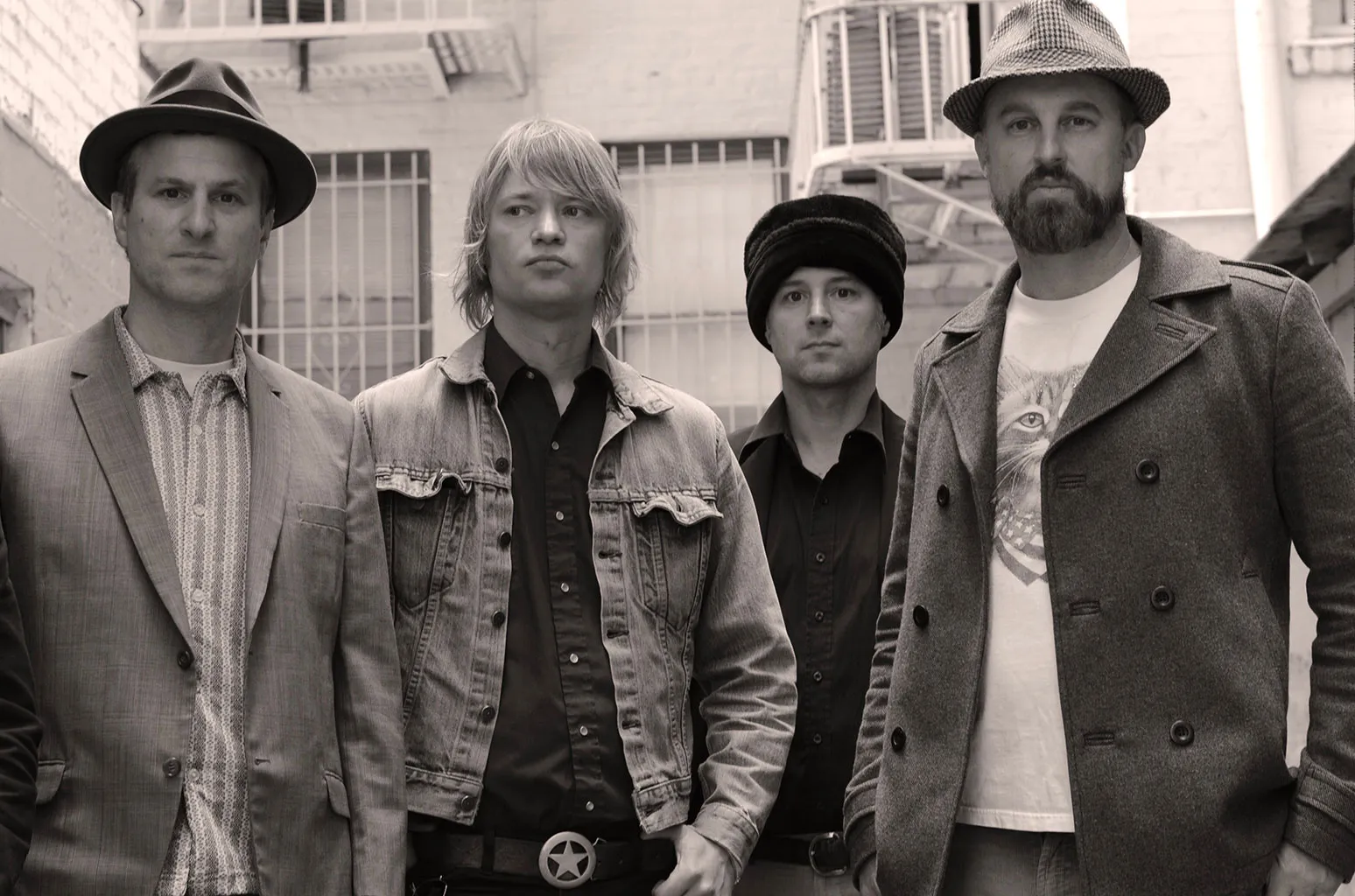
In the mid-nineties, the sound of music was changing. While the echo of disco at Studio 54 was fading into distant memory, a new, disillusioned energy was taking over the airwaves. It was 1996, a time when the Grunge movement had left its mark on everything, and the polished pop of the past felt like a relic. That is when Cake, an alternative band with a dry, deadpan sense of humor, decided to take a wrecking ball to one of the most iconic anthems of the seventies: Gloria Gaynor’s I Will Survive. Their version was not a dance-floor filler; it was a rhythmic, cigarette-smoking, cynicism-drenched retelling of heartbreak that caught everyone off guard.
When Gloria Gaynor first heard the Cake version, she did not mince words. To her, the song was a sacred testament to empowerment and survival, a beacon for anyone who had walked away from a toxic relationship. Hearing Cake deliver the lyrics with a flat, spoken-word apathy—and the inclusion of a profanity-laced middle finger to the original sentiment—felt like a direct insult. She famously despised it, viewing the band’s detached attitude as a betrayal of the song’s emotional core. It was the ultimate clash between the earnestness of the disco era and the ironic, gritty nihilism that defined the Gen X experience at the time.
Yet, the audacity of Cake was exactly what resonated with a generation raised on MTV and the rising tide of alternative rock. While the original was a soaring triumph of the spirit, the Cake cover felt like the cold, hard reality of the morning after. The trumpets were sharp, the bassline was hypnotic, and John McCrea’s vocal delivery sounded like a man who had seen it all and wasn’t impressed. It transformed a song of hope into a song of bitter endurance. For the kids who felt disconnected from the gloss of the pop world, this version of I Will Survive became an unintended anthem of its own.
Looking back at that era, it is fascinating to see how two such polar opposite interpretations could coexist. The 1996 soundscape was dominated by the Walkman and the shift toward independent voices, and Cake fit perfectly into that restless atmosphere. They didn’t care about the rules of pop music, and their willingness to strip away the sequins and glitter of the disco legend proved that the audience was hungry for something raw. It was a moment of artistic rebellion that left a permanent stain on the legacy of a classic disco hit.
Today, the Cake cover remains a time capsule of the nineties. It serves as a reminder of a time when bands dared to challenge the giants of the past, stripping classics down to their bones just to see what remained. Whether you believe they ruined a masterpiece or reinvented a classic for a new generation, the story of Cake and Gloria Gaynor remains one of the most intriguing cultural collisions in music history. It reminds us that every great song holds a different meaning depending on who is holding the microphone and what era they call home.