
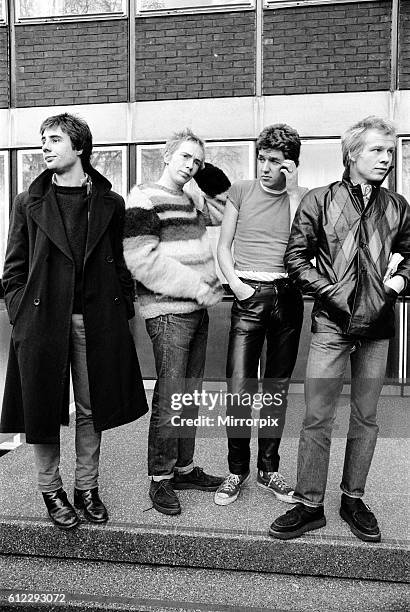
On January 14, 1978, the Winterland Ballroom in San Francisco was thick with anticipation. The air smelled of cheap beer and nervous energy, a sensory cocktail that defined the short, violent lifespan of the punk movement. Fans had gathered expecting a riotous display of anarchy, the kind that had solidified the Sex Pistols as the most dangerous band in the world. Yet, as the final notes of a cover song bled into the feedback, lead singer Johnny Rotten looked out at the sea of bodies, his expression etched with a mix of exhaustion and genuine contempt. With a voice that cut through the haze like a razor, he whispered the words that would officially signal the end of an era: Ever get the feeling you’ve been cheated?
The Sex Pistols were never just a musical act; they were a cultural lightning rod designed to burn down the stuffy, polite facade of 1970s British society. Orchestrated by the provocateur Malcolm McLaren, the band was a whirlwind of safety pins, ripped shirts, and genuine hostility. For a brief, glorious moment, they sat atop the musical throne, their hit Anarchy in the U.K. serving as the manifesto for a generation of disillusioned youth. But beneath the surface-level rebellion, the internal machinery was grinding to a halt. The tour had become a grueling exercise in mutual resentment, defined by the erratic behavior of bassist Sid Vicious and the mounting ego clashes that made every studio session feel like a battlefield.
That night in San Francisco, the facade finally shattered. The Sex Pistols were exhausted, strung out, and utterly sick of the narrative that had been forced upon them. While the audience roared for more, expecting a spectacle of destruction, Johnny Rotten had reached his breaking point. He did not quit with a grand manifesto or a press release; he simply walked off the stage, leaving his bandmates—and the movement itself—behind. In that singular moment, the myth of the Sex Pistols transformed from a living, breathing entity into a closed chapter of rock and roll history.
Looking back from our modern perspective, that final show at the Winterland Ballroom acts as a sobering checkpoint for the punk subculture. It serves as a reminder that even the most incendiary flames eventually run out of fuel. The Sex Pistols proved that fame, when mixed with drugs, mismanagement, and relentless public scrutiny, is a toxic cocktail that no amount of talent can dilute. The industry machine that MTV would later refine hadn’t fully taken hold yet, but the pressures on Johnny Rotten and his peers were already immense, pushing them to the brink of self-destruction.
Today, the legacy of the Sex Pistols remains a complicated, messy, and vital part of musical history. They challenged the status quo and made it acceptable for anybody to pick up a guitar and voice their frustrations, regardless of technical ability. While punk rock evolved and shifted into new sounds, the ghost of that 1978 show continues to haunt every garage band that dares to dream of changing the world. It reminds us that every movement, no matter how loud or rebellious, eventually comes to a quiet, often bitter end. If you ever find yourself revisiting their records, remember the drama behind the distortion and the human cost of being the world’s most hated band.