
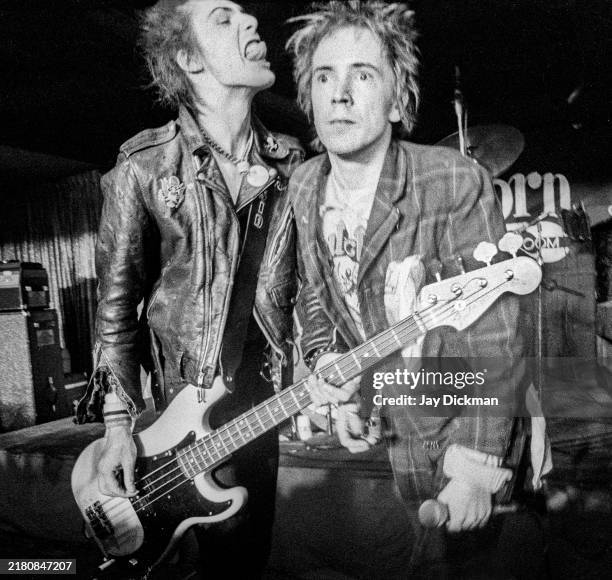
The year was 1978, and the air in New York City felt electric with the scent of cheap cigarettes and impending disaster. At the center of this whirlwind were Sid Vicious, the infamous bassist of the Sex Pistols, and his girlfriend Nancy Spungen. They checked into Room 100 of the legendary Chelsea Hotel, a place where history was written in the stained wallpaper and whispered through the drafty corridors. To the outside world, they were the poster children for a violent, nihilistic punk revolution. But behind the closed doors of their room, the chaotic rebellion they broadcasted to the world mutated into a harrowing, irreversible tragedy that remains one of the music industry’s most haunting enigmas.
Sid Vicious was never just a musician; he was a cultural lightning rod, a figurehead for the disaffected youth who found solace in the raw, abrasive energy of punk. When the Sex Pistols exploded onto the scene, they shattered the polished veneer of the music industry, leaving a trail of broken equipment and shocked sensibilities in their wake. Yet, as the cameras stopped rolling and the glare of the spotlight faded, the reality of life for Sid Vicious was far grittier. Their relationship was a combustible mix of intense obsession and debilitating substance abuse, a dark mirror reflecting the hedonistic excesses of the late seventies. The Chelsea Hotel, a sanctuary for artists, became the silent witness to their slow, painful descent into oblivion.
On the morning of October 12, 1978, the party finally died. Nancy Spungen was found dead on the bathroom floor of Room 100, a single stab wound ending a life that had been defined by trauma and turbulence. Sid Vicious was discovered nearby, dazed and disoriented, unable to account for the horrific scene that had unfolded during the night. The media circus that followed was relentless, framing the event as the ultimate, grizzly climax to the punk movement. The dream of total anarchy had collided with reality, and the casualties were no longer just records or reputations—they were human lives, stripped bare and discarded.
Decades later, the story of Sid Vicious continues to fascinate because it represents the brutal price of authentic rebellion. We often romanticize the eras of the Jukebox and the underground club scene, but the ghost of Room 100 serves as a sobering reminder of the darkness that lurked beneath the leather jackets and safety pins. It was not just a crime; it was the symbolic death of a movement that had burned too bright and too fast to survive. The tragedy redefined how we view rock stars, transforming them from untouchable idols into tragic figures caught in the gravity of their own mythos.
Today, the legacy of Sid Vicious remains tangled in mystery and sorrow. Whether you view him as a misunderstood victim of his own persona or an active participant in his own demise, his story serves as an inescapable chapter in the history of rock and roll. As we look back on the era of late-seventies grit and neon-lit decay, let us remember that beneath every legend lies a human story, often far more complicated—and far more heartbreaking—than the music itself. What happens when the rebellion stops being an act and starts being a way of life?