
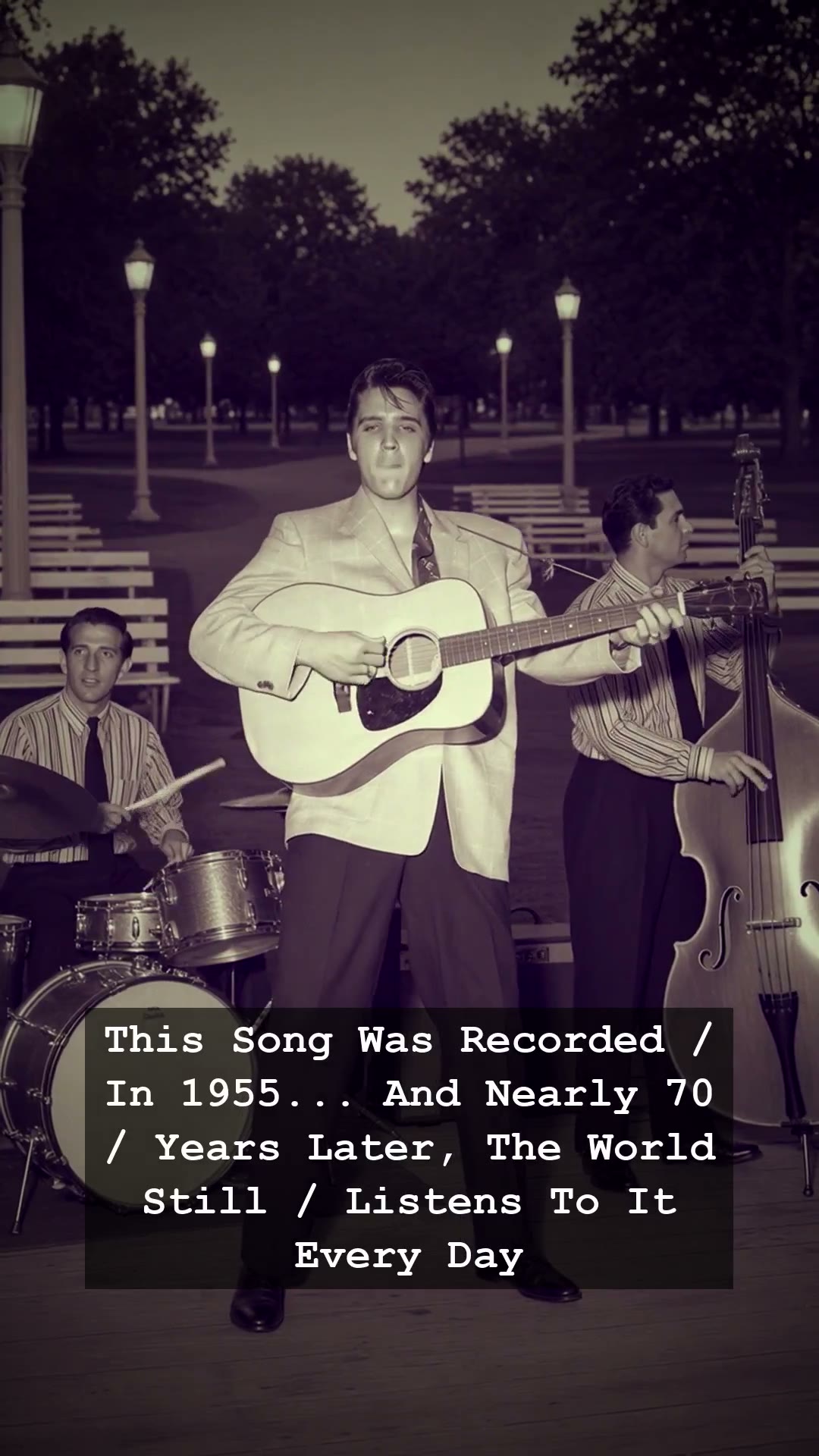
The year was 1955, and the world was comfortably tucked away in a postwar daze, swaying to the safe, polished melodies of the era. Then, like a lightning strike in a quiet parlor, Little Richard burst onto the stage, sweating under the harsh glare of a single spotlight. He hit the keys of the piano with a frantic, animalistic energy that had never been seen before, letting out a primal wail that would shatter the cultural foundations of the decade. The song was Tutti Frutti, a track that felt less like a record and more like a riot captured on wax. At the time, it was dismissed by many as mere noise, a passing fad for rowdy teenagers in diners, but nearly seventy years later, the world still listens to it every single day. It was the spark that ignited the explosion of Rock ‘n’ Roll, forever altering the course of music history.
To understand the magnitude of this moment, you have to picture the atmosphere of the mid-fifties. The jukebox was the center of social life, a glowing altar where youth gathered to escape the conformity of their parents’ lives. Little Richard, born Richard Penniman, walked into a studio in New Orleans with a handful of raw, suggestive lyrics that were originally deemed too scandalous for public consumption. He stripped away the polite veneer of early pop, injecting a gospel-infused ferocity and a flamboyant stage presence that defied the rigid social norms of the time. When the recording session hit a wall, he improvised, and in that spontaneous flash of creative genius, a global phenomenon was born. He wasn’t just a singer; he was an architect of a new reality.
Behind the glitz and the wild makeup, there was a man navigating a world that wasn’t ready for his intensity. Little Richard lived on the edge of the spotlight, struggling with the immense pressure of superstardom and the dark, often isolating consequences of becoming an icon. The drama of his life was as loud as his music, filled with sudden pivots, religious retreats, and intense conflicts with an industry that sought to sanitize his image. Yet, whenever that classic, driving piano riff of Tutti Frutti kicks in, those struggles fade into the background. It remains a testament to a man who refused to be anything but his authentic, unfiltered self, even when the world tried to box him into a standard mold.
Decades later, the legacy of that 1955 session is still felt in every corner of the music industry. From the rebellious spirit of the sixties to the polished production of the eighties, the DNA of Little Richard is embedded in the works of every artist who dared to push boundaries. It is a timeless reminder that true art doesn’t just entertain—it disrupts. As we look back through the lens of history, we see that the man under the spotlight wasn’t just singing a song; he was shouting a declaration of independence that still echoes today. It is a song that never aged, a heartbeat from the past that continues to pulse through the speakers of every generation.