
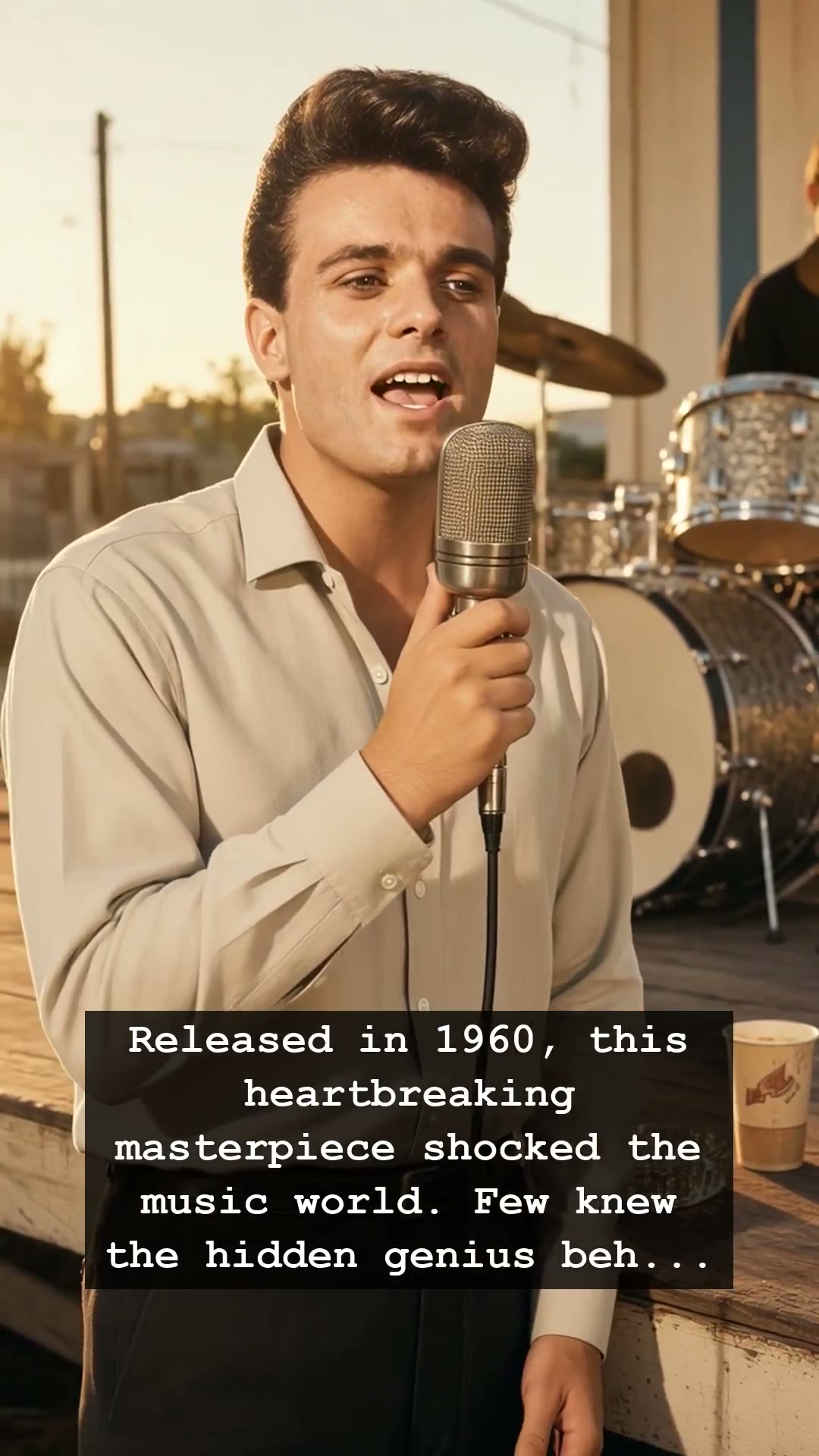
It was 1960, and the American airwaves were dominated by the upbeat, polished pop of the early television era. Then, a song emerged from the shadows that defied every rule in the book. Only the Lonely, a masterpiece of raw, soaring heartbreak, didn’t just climb the charts; it terrified radio station programmers. With its operatic intensity and dramatic structure, it sounded like nothing else on a jukebox. Yet, the story behind this legendary hit is not just about Roy Orbison’s haunting falsetto—it is about the unlikely, genius partnership he forged with songwriter Joe Melson.
While Roy Orbison provided the ghostly, cinematic voice that would eventually define a generation, it was the collaborative brilliance of Joe Melson that gave the melody its cutting edge. The two met in the fertile musical landscape of Texas, bonding over a shared desire to push the boundaries of what a pop song could express. At the time, most hits were safe, rhythmic, and shallow. Joe Melson, however, understood that Roy Orbison possessed a rare, melancholic depth that needed a different kind of canvas. Together, they spent long nights in the studio, crafting a sound that felt like the velvet darkness of a lonely highway at midnight.
When they finally brought Only the Lonely to the world, the industry was shocked. Most labels wanted artists to follow the upbeat formula of the day, but Roy Orbison and Joe Melson were relentless. They insisted on the dramatic builds and the unconventional vocal crescendos that would become the singer’s trademark. It was a risky move that could have ended their careers before they truly began. Instead, the public connected with the sheer vulnerability of the music. It tapped into a profound sense of isolation that resonated deeply with listeners who were growing tired of the bubblegum pop culture of the pre-Beatles era.
Beyond the studio, their partnership was marked by the intense, often grueling pressure of fame. Both men lived through the era of smoky clubs, touring vans, and the constant demand for new hits. While Roy Orbison became the face of the tragedy, Joe Melson remained the architect of the sound, weaving complex arrangements that allowed the singer to reach those impossible highs. Their collaboration remains one of the most underrated chapters in American music history, bridging the gap between the doo-wop nostalgia of the fifties and the sophisticated rock-n-roll of the sixties.
Even decades later, the magic remains untouched. When you hear that opening drum beat, it instantly transports you to a dimly lit room, the scent of cigarettes and vinyl filling the air. It is a reminder of a time when songs were not just background noise, but visceral experiences. Roy Orbison and Joe Melson didn’t just write a song; they captured the anatomy of human sorrow and wrapped it in a melody that will haunt the history of music forever. If you take a moment to listen, you can still feel the weight of their genius echoing through the years.