
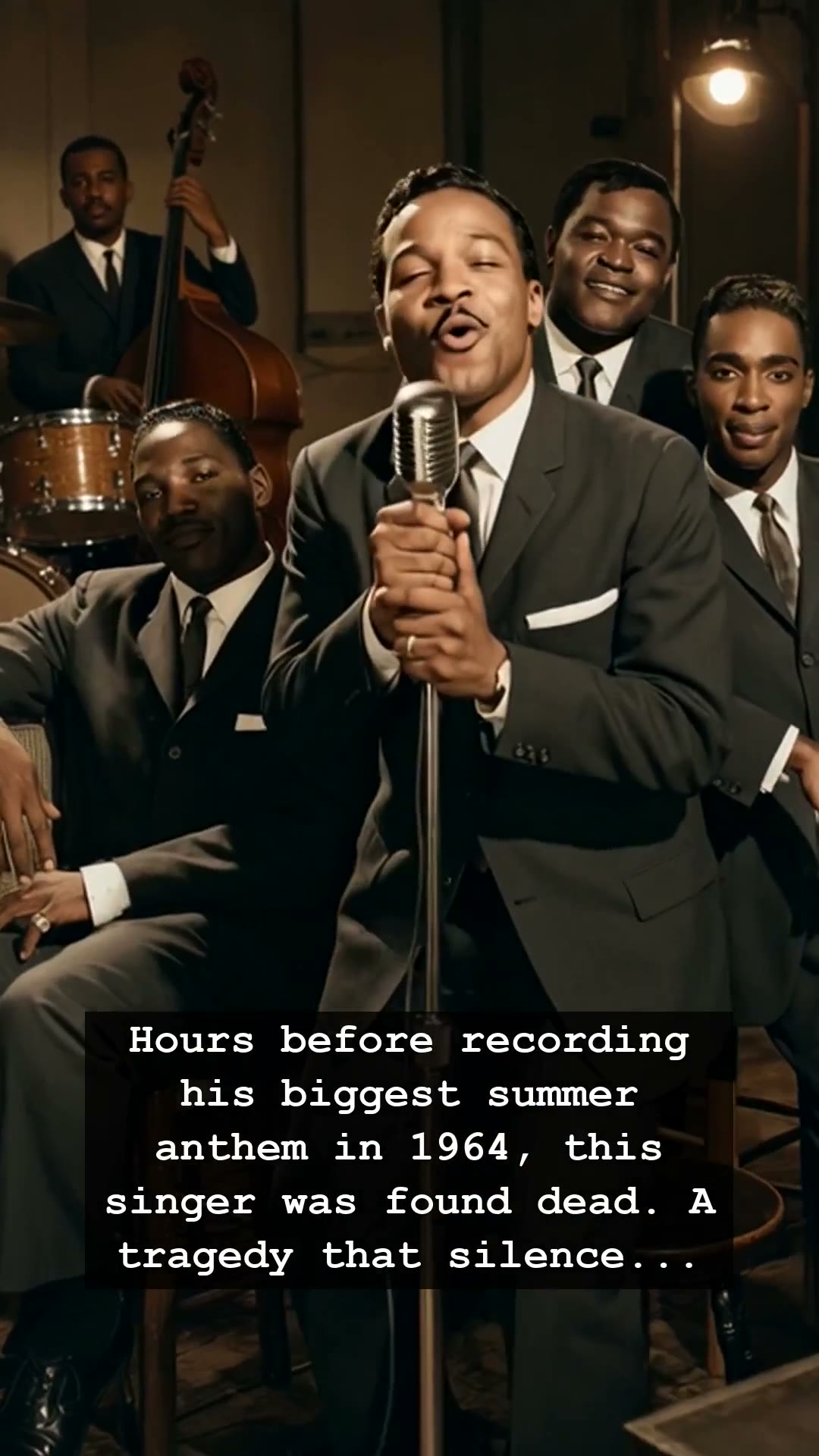
It was May 20, 1964, and the air in New York City was thick with the promise of a golden summer. The jukeboxes were humming with the early vibrations of a changing decade, and The Drifters were on the verge of recording what would become their quintessential anthem. Yet, just hours before the session, the band’s lead vocalist, the velvet-voiced Rudy Lewis, was found dead in his hotel room. He was only twenty-eight years old, and a future of stardom was extinguished in the cold silence of a lonely morning. The official cause was an overdose, but for the fans who lived through that era, the loss felt like a sudden, hollow ache in the heart of soul music.
Rudy Lewis had joined The Drifters in 1960, stepping into a group that was already a pillar of the American soundscape. He brought a raw, gospel-infused power to tracks like Up on the Roof and On Broadway, defining the sophisticated R&B sound that would eventually pave the way for the pop mastery of the late sixties. His voice was the bridge between the doo-wop street corners of the fifties and the polished, orchestrally-backed soul that dominated the airwaves. He was meant to step into the recording booth that day to lay down the vocals for Under the Boardwalk, a song that would define the American summer for generations, but his seat remained empty.
The tragedy of that morning remains a chilling reminder of the dark underbelly of fame during the mid-sixties. While the world outside was transitioning from the optimism of the early decade to the psychedelic turbulence that would follow, artists like Rudy Lewis were often caught in the crushing pressure of non-stop touring, relentless studio demands, and the isolation that came with life on the road. The music industry was a high-stakes arena, and performers were often viewed as disposable parts in a massive, spinning machine of entertainment. When Lewis passed, the music didn’t stop—it simply shifted gears, leaving behind a legacy that would be carried forward by his successors, yet forever colored by his absence.
Johnny Moore was brought in to record the vocals for Under the Boardwalk instead, and while the song became a global smash hit, it serves as a haunting monument to the man who never got to sing it. To listen to those familiar, breezy chords today is to engage in a bittersweet act of remembrance. We hear the sun-drenched harmonies, but we also hear the ghost of a voice that was silenced too soon. It is a reminder that every great hit of the classic era carries a shadow, a story of a human soul who helped build the soundtrack of our lives before drifting away into the pages of history.
Today, we look back at the era of vinyl records and transistor radios with a sense of romantic longing, but we must also acknowledge the fragility of those who provided our joy. Rudy Lewis was more than just a footnote in the history of The Drifters; he was a master of his craft whose potential was cut tragically short. As we spin these classic records and get lost in the nostalgia of the summer of 1964, let us take a moment to honor the man whose final, unrecorded melody remains the most haunting mystery of that golden, lost summer.