
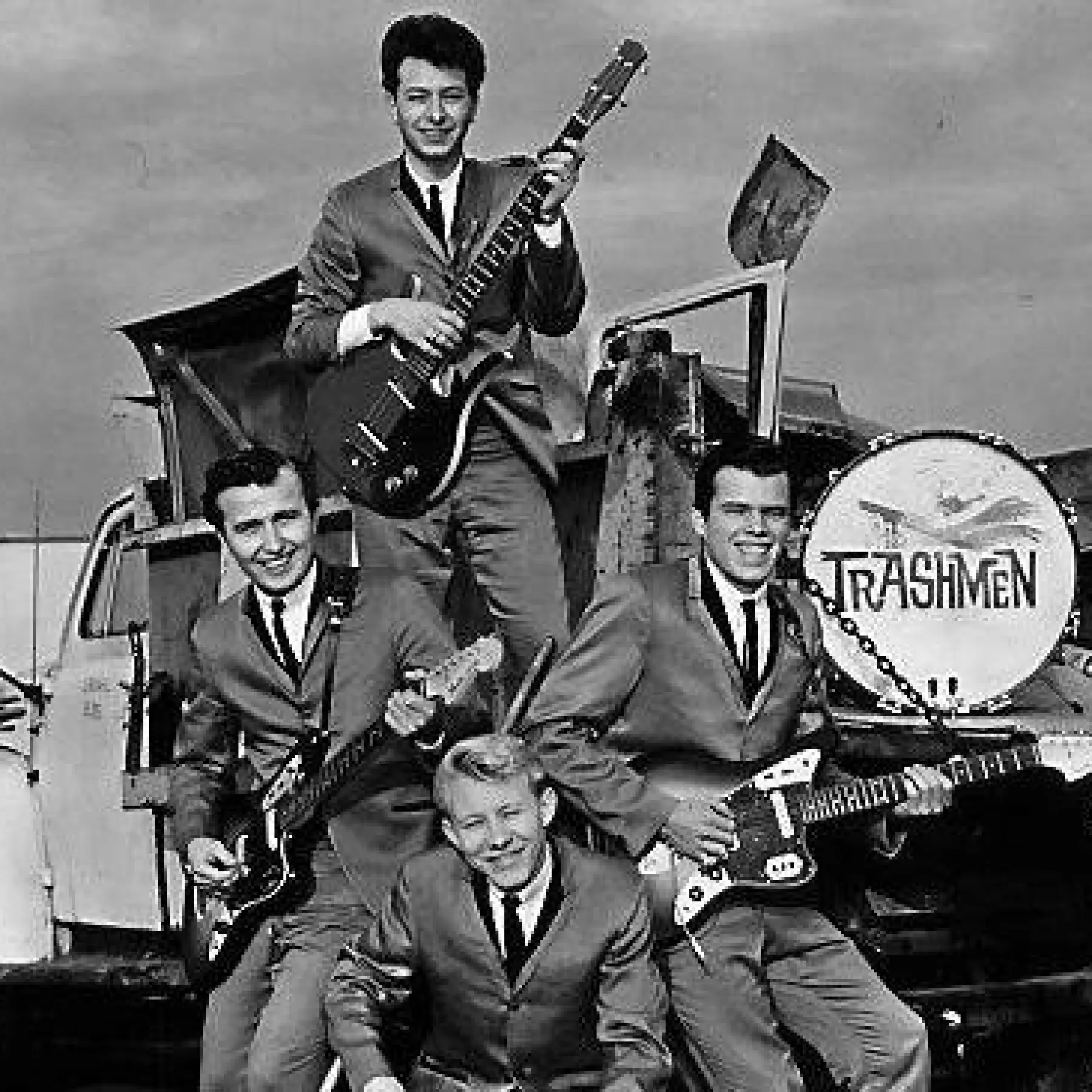
In 1963, the airwaves were dominated by the clean-cut harmonies of early pop, until a manic, stuttering, and incomprehensible scream tore through the static. Surfin Bird by The Trashmen became an overnight sensation, a chaotic surf-rock anthem that seemed like nothing more than a mindless, high-energy joke designed to make teenagers dance. But behind the laughter and the infectious rhythms, a shadow was lurking. While radio stations across America played the track on loop, the members of The Trashmen were unknowingly walking into a legal trap that would haunt them for decades, turning their biggest career milestone into their ultimate financial ruin.
To understand the madness of The Trashmen, you have to picture the era. The Jukebox was the heartbeat of every roadside diner, and the surf-rock craze was at its zenith. When the band combined two R&B tracks by The Rivingtons—Papa-Oom-Mow-Mow and The Bird’s the Word—they thought they were simply crafting a clever, genre-bending tribute. They didn’t see a lawsuit coming; they saw a hit. However, in the cutthroat music industry of the 1960s, intellectual property was a volatile commodity. By neglecting the delicate dance of songwriting credits, the band inadvertently opened the door for a legal storm that would eventually strip them of every cent in royalties they had earned from their signature smash hit.
The tragedy of the situation is that The Trashmen were just kids caught in the fervor of a cultural shift. They weren’t malicious thieves; they were musicians who lacked the legal protection and industry connections to realize that their fun experiment was a ticking time bomb. When the legal notices finally arrived, the reality set in with brutal clarity: the song that made them famous was now the song that silenced their financial future. The royalties they should have received for becoming a global pop culture phenomenon were signed away, leaving the artists behind the iconic stuttering vocals with little to show for their massive cultural footprint.
Today, Surfin Bird remains a bizarre, timeless relic of a simpler, louder time. It has appeared in everything from cult-classic movies to television shows, cemented as an unforgettable piece of Americana. Yet, every time those opening drums kick in and the frantic vocals start, it serves as a sobering reminder of the dark side of the music business. The story of The Trashmen is a cautionary tale about how easily genius can be overshadowed by contract disputes and how the industry often rewards the lawyers more than the legends.
We often look back at the sixties through a lens of nostalgia, forgetting the jagged edges hidden behind the glitz. The Trashmen might have been stripped of their riches, but their legacy in the annals of rock history remains untouched by the theft of their earnings. Their story forces us to look past the fun surf-rock aesthetic and acknowledge the human cost of being an artist. Next time you hear that frantic bird cry, remember the band that lost it all just to give the world a song it could never stop singing.