
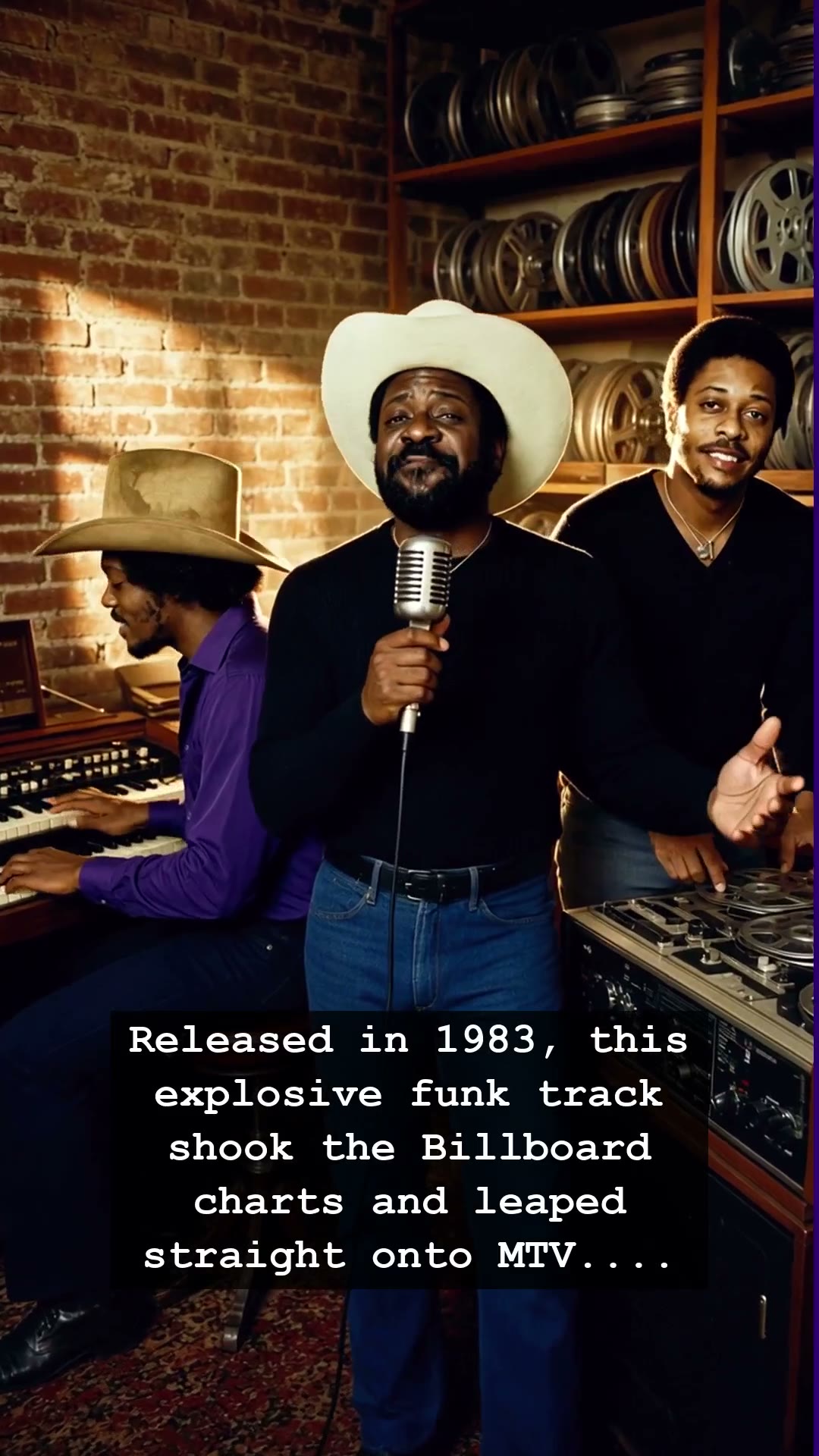
It started with a synthesizer blast so sharp it felt like a jolt of electricity hitting the American airwaves. In 1983, when you turned on your bulky television set, you were likely met with the neon-soaked, high-octane energy of The Gap Band. Before the era of digital saturation, these funk masters didn’t just release music; they crafted an explosive cultural moment that bridged the gap between the grit of urban soul and the emerging, glitzy spectacle of the MTV generation. Do you still remember that infectious, driving groove that forced everyone to their feet?
The Gap Band, comprised of brothers Charlie, Ronnie, and Robert Wilson, had been grinding through the rhythm and blues circuit for years, but 1983 marked their transformation into global icons. Their signature sound wasn’t just about the bass; it was a carefully engineered collision of heavy funk, gospel roots, and a newly discovered affinity for the synthesizer. As the needle dropped on their record, it wasn’t merely a song playing—it was a declaration of dominance that echoed from the jukeboxes in dim-lit neighborhood bars to the polished, marble floors of the most exclusive dance clubs across the country.
Behind the seamless choreography and the bright lights of the music video era, however, sat a history of relentless struggle. The brothers, hailing from Tulsa, Oklahoma, had spent a decade refining their craft in an industry that was often unkind to self-contained funk groups. The rise of The Gap Band was a hard-fought victory against the odds. While the world saw the polished exterior on early music television, the reality was a band that had literally lived in the trenches of the industry, moving from the psychedelic experimentation of the seventies into the sleek, synthetic pulse of the eighties without losing their rhythmic soul.
This specific era was a transition point for American music, a time when the analog warmth of Motown was being wrapped in the cold, precise wires of the digital age. The Gap Band navigated this shift with a swagger that few others could replicate. Their music provided the soundtrack for a society caught in the middle of a cultural metamorphosis. As the Walkman began to appear on street corners and the youth culture gravitated toward the theater of the pop video, these brothers remained the anchor of the dance floor, ensuring that the funk remained heavy and the rhythm stayed pure.
Looking back, the legacy of The Gap Band is more than just a trip down memory lane; it is a testament to the endurance of true musicianship. Even decades later, those synth stabs and basslines still possess the power to stop you in your tracks, transporting you back to a time when music felt larger than life. They didn’t just participate in the eighties—they dictated the tempo. So, the next time you hear that familiar, explosive opening, close your eyes and let the groove take you back to the heart of the funk.