
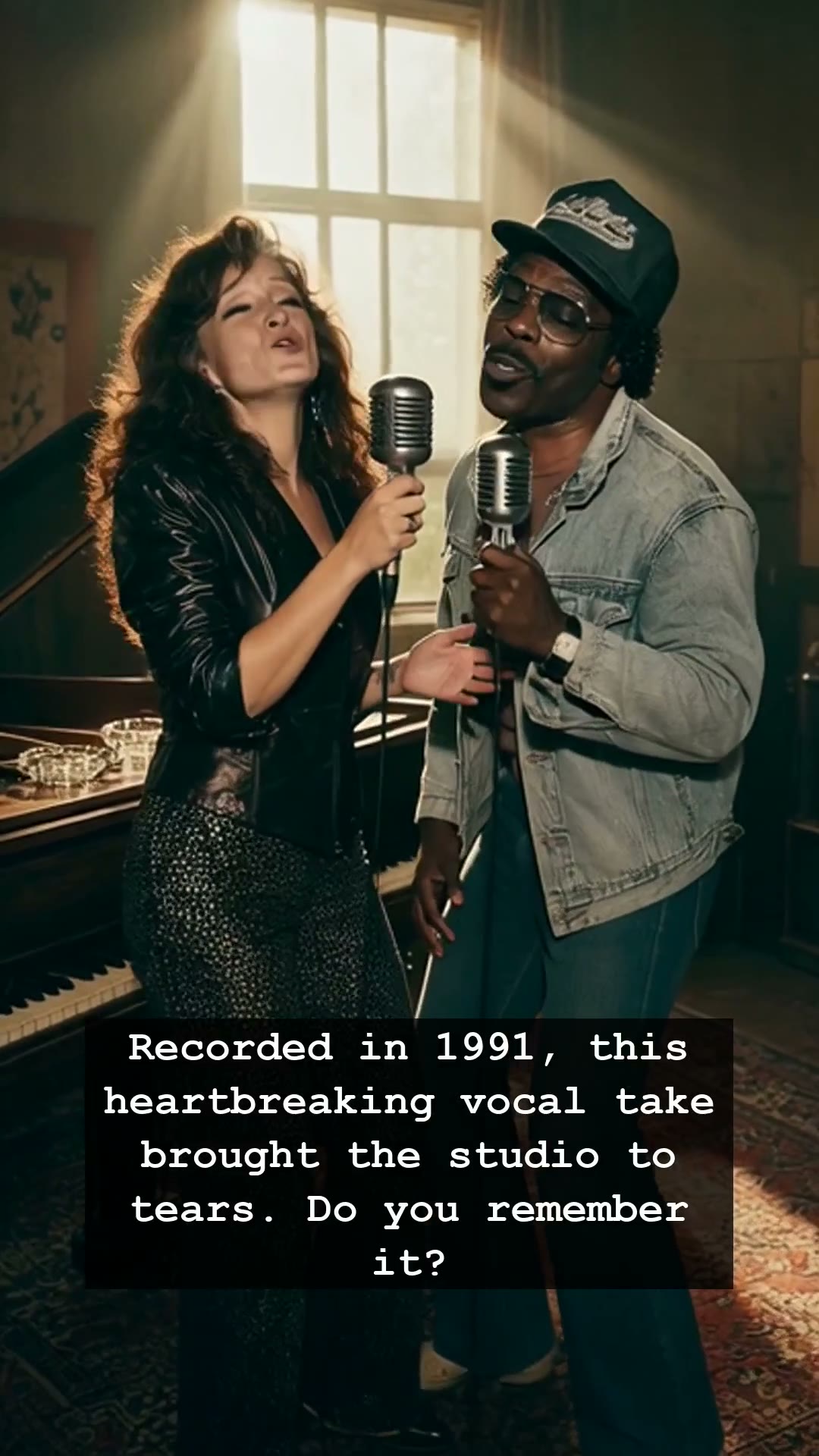
It was 1991, the world of music was shifting toward the digital crispness of the early nineties, but inside the recording booth, Bonnie Raitt was channeling something ancient, raw, and deeply human. As she stepped up to the microphone to record I Can’t Make You Love Me, no one in that room could have anticipated that they were about to witness a piece of history that would permanently alter the landscape of the power ballad. The atmosphere in the studio was heavy, thick with the kind of silence that usually precedes a storm. When Bonnie Raitt began to sing, the air seemed to vibrate with a palpable, aching sense of loneliness that transcended the glass partition of the control room.
The song, written by Mike Reid and Allen Shamblin, is a deceptively simple composition about the finality of an unrequited love, but in the hands of Bonnie Raitt, it became a confession. She didn’t just sing the lyrics; she lived them in real-time. By the time she reached the second verse, the technical perfection of the studio session took a backseat to genuine, gut-wrenching emotion. As the final notes faded, she was left in tears, physically drained by the weight of the performance. The producers realized immediately that they had captured lightning in a bottle. This was not a take that needed to be cleaned up or polished; it was a singular, devastating moment of truth that would define her career.
Looking back at the music scene of that era, Bonnie Raitt stood out as a beacon of authenticity. While the charts were being dominated by the growing influence of MTV and the emerging trends of grunge, Bonnie Raitt relied on nothing but her soulful, blues-drenched voice and her slide guitar. She brought a level of emotional maturity to the pop world that felt like a bridge to the soulful classics of the Motown and blues legends she idolized. The song became a staple of late-night radio, a track that listeners would turn to during their quietest hours, finding solace in the fact that someone else understood the specific, quiet agony of letting go.
Decades later, the haunting resonance of that 1991 recording has never truly faded. It remains a masterclass in vocal delivery, a reminder that the best music often comes from the moments when we are at our most vulnerable. Bonnie Raitt managed to bottle the universal feeling of heartbreak in a way that feels just as sharp today as it did when it first hit the airwaves. Whether you heard it for the first time on a crackling car radio or discovered it years later on a digital streaming service, the impact remains the same.
We often look back at the nineties as a time of sonic transition, but it was also the decade that gave us some of our most enduring emotional soundtracks. Bonnie Raitt proved that you don’t need excessive production to move a listener to their core—you only need the truth. Do you remember where you were when you first heard those opening piano chords and that unmistakable, soulful voice? It is one of those timeless songs that belongs to everyone who has ever loved and lost, etched forever into the history of American music.