
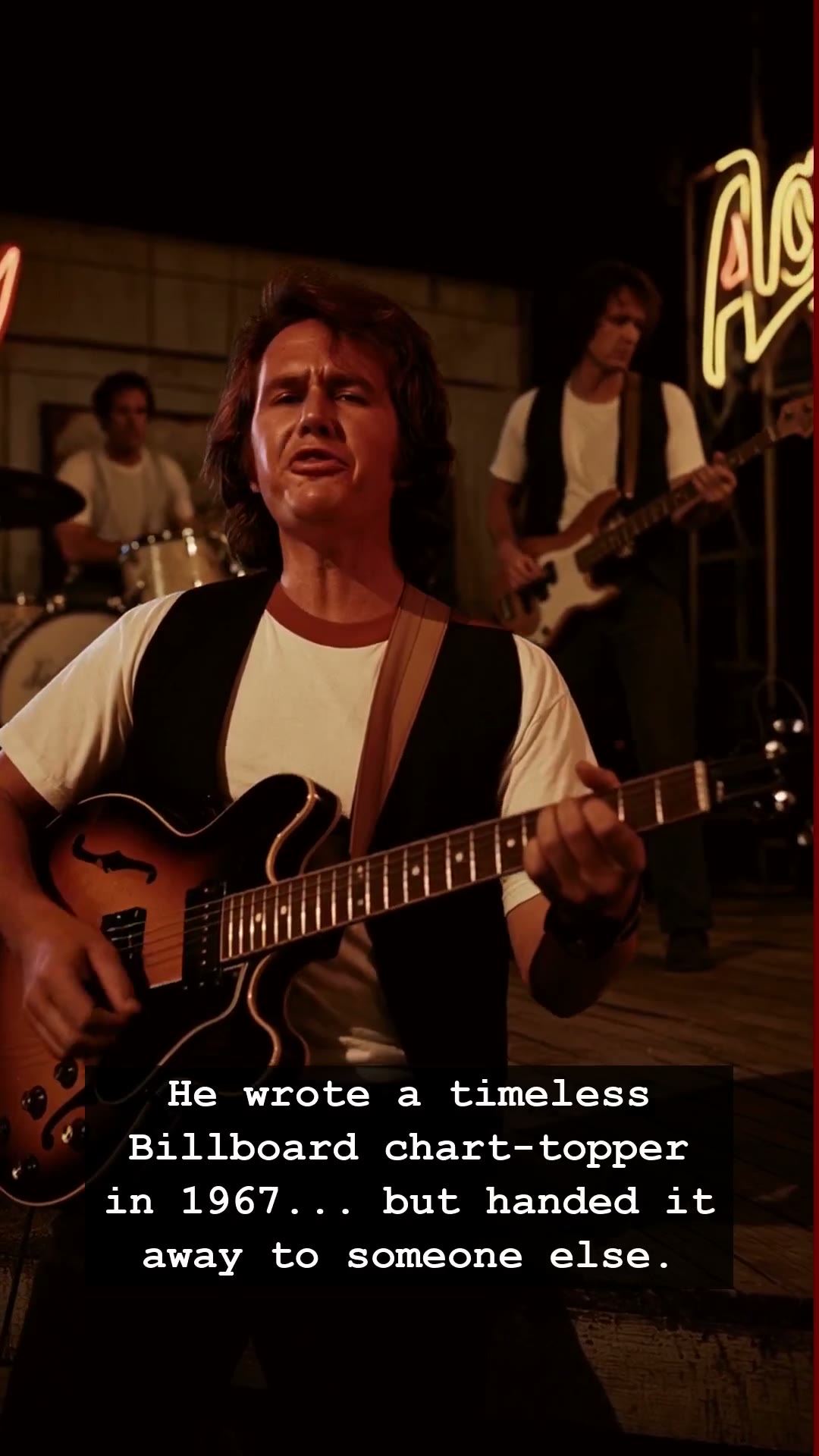
In the golden era of 1967, while the airwaves were crowded with the psychedelic buzz of the Summer of Love, a quiet genius named John Stewart was crafting a melody that would eventually define a generation. John Stewart was a master of the folk-rock movement, a man whose pen dipped into the inkwell of genuine heartache and longing. Yet, history tells a peculiar tale of this legendary songwriter. He didn’t just write a chart-topping masterpiece; he reached into his soul, pulled out a diamond, and handed it to another band, watching from the shadows as they rode his creation to the very top of the Billboard charts.
The song, of course, is Daydream Believer. While the world remembers the chirpy, infectious pop production of The Monkees, the heart of the anthem was pure John Stewart. At the time, the music industry was a whirlwind of frantic studio sessions and manufactured stardom. The Monkees were the polished faces of a televised cultural experiment, a far cry from the gritty, authentic folk clubs where John Stewart honed his craft. Yet, in a move that continues to baffle music historians, Stewart allowed them to record the track, forever intertwining his lyrical genius with their bubbly pop image.
Why would an artist of such caliber relinquish his greatest work? Perhaps it was the crushing weight of the industry during the late sixties, where writers often sought the security of established pop groups to ensure their art reached the masses. Through the static of a transistor radio or the warm glow of a jukebox in a roadside diner, Daydream Believer echoed across America, masking the quiet melancholy of John Stewart’s original vision. The song became a permanent fixture of our collective memory, a staple of the era when music felt like it could change the world, even if the world was often changing the music behind the scenes.
John Stewart possessed a rare ability to capture the small, mundane tragedies of life—the empty refrigerator, the morning light hitting a tired face, the feeling of waking up to a reality that doesn’t quite match the dream. When you strip away the bright pop production that turned the song into a global anthem, you find the haunting, stripped-back resonance of a man who understood the loneliness of the road. His contribution to the song remains one of the most significant sacrifices in the history of pop music, a testament to the selfless, often brutal nature of the creative process in the pre-MTV landscape.
Decades later, the song remains a timeless relic of a bygone era, reminding us that every pop hit has a human ghost lingering behind the lyrics. John Stewart eventually stepped into the limelight himself, carving out a respected solo career, but the legend of his 1967 gift endures. It serves as a reminder to look closer at the liner notes of the songs we hum along to. Sometimes, the most beautiful music isn’t born from the spotlight, but from the quiet, sometimes bittersweet choices made in the dark corners of the studio. Do you still hear the heartbreak hidden in those chords?