
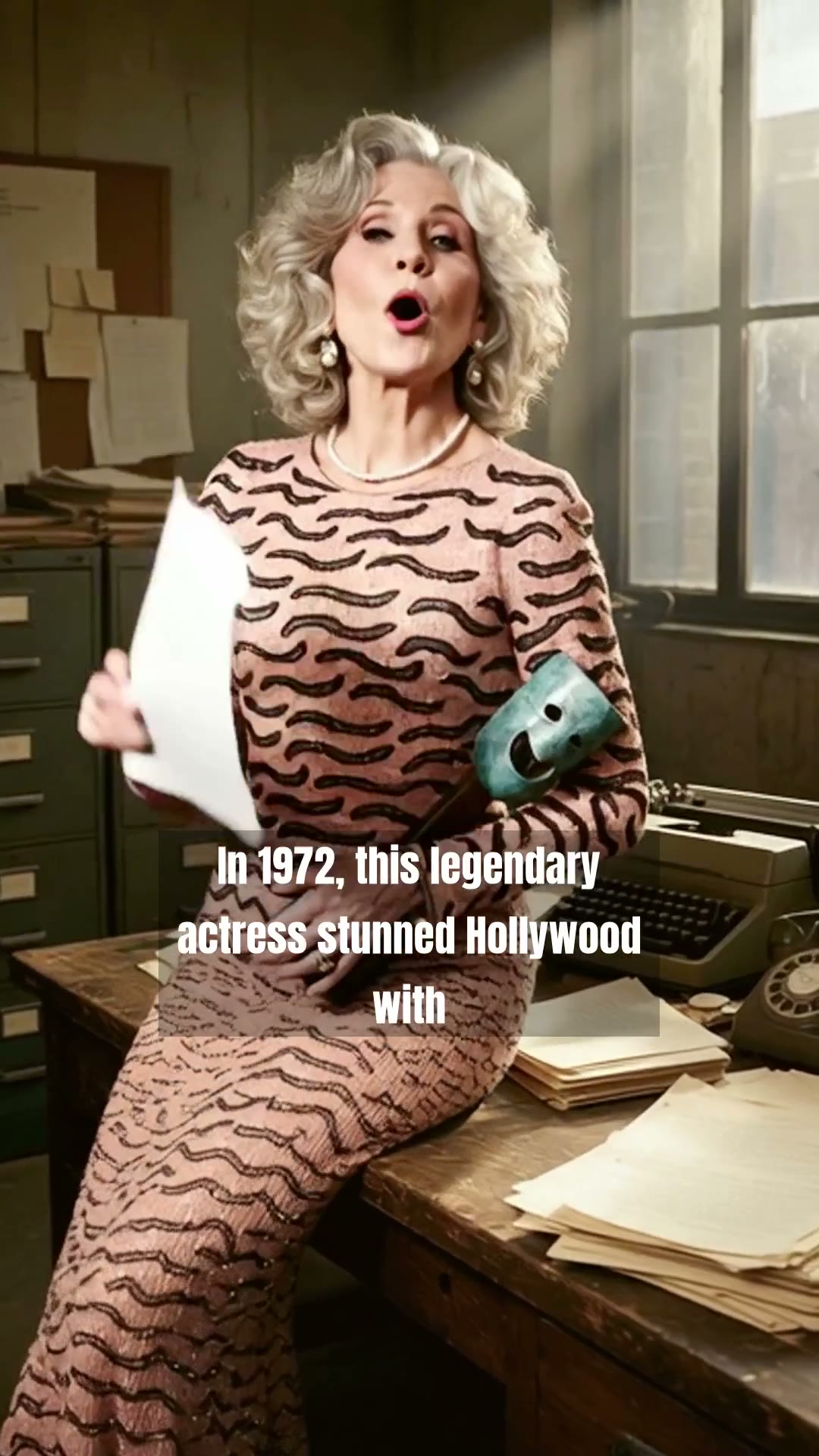
There is a particular kind of magic found in the flickering light of an old VHS tape, a grainy texture that feels like a window into a more authentic era of filmmaking. For many of us who grew up under the soft glow of the screen, the early 1970s represented a tectonic shift in cinema. It was a time when the polished veneer of the Golden Age Hollywood began to peel away, revealing raw, beating hearts beneath the surface. At the epicenter of this transition was Jane Fonda, an actress whose name was already etched into the industry annals, yet who was seeking something far more profound than her lineage might have dictated. In 1971, with the release of Klute, Jane Fonda did more than just play a character; she fundamentally altered our perception of what a leading lady could be.
At the time, the industry was still accustomed to a certain type of female star, but Jane Fonda arrived with a fearless intensity that many found unsettling. Cast as Bree Daniels, a high-end call girl navigating the gritty, neon-soaked shadows of New York City, she brought a psychological vulnerability that felt dangerous and entirely new. Critics and peers alike whispered that she might not be up to the task, viewing her through the lens of Hollywood royalty. Yet, when she stepped onto the set, she embraced the principles of Method Acting with a ferocious commitment. She walked the streets of Manhattan and spoke with women living the life of her character, soaking in their reality until the line between actor and role completely vanished.
That transformative performance did more than silence her doubters; it solidified her place in the pantheon of cinema greats. When she walked onto the stage at the Oscar ceremony in 1972 to accept the Academy Award for Best Actress, it wasn’t just a victory for a role; it was a watershed moment for the New Hollywood movement. The audience watched as Jane Fonda stood under the bright lights, not as a product of the studio system, but as an artist who had fought for her craft. That golden statuette was merely the validation of the grit and sacrifice she had poured into her work.
Looking back, the legacy of Jane Fonda in this era remains a testament to the power of transformation. She challenged the status quo, pushing the industry to explore darker, more complex human narratives that mirrored the social turbulence of the decade. Her performance in Klute resonates today as a bridge between the classic elegance of the past and the gritty realism that would go on to define the blockbusters and character studies of the coming years. It reminds us of a time when stars were willing to strip away their comfort to find a deeper truth on the silver screen.
As we revisit these classic films on vintage media, we are reminded of why we fell in love with cinema in the first place. Jane Fonda’s journey serves as a poignant reminder that true artistry requires both courage and a willingness to be vulnerable. Her career is a sprawling tapestry of passion, proving that while times change and technology evolves, a genuine, raw performance will always stand the test of time. We invite you to dust off your collection, find that well-worn copy of Klute, and rediscover the moment when a legend claimed her rightful place in history.