
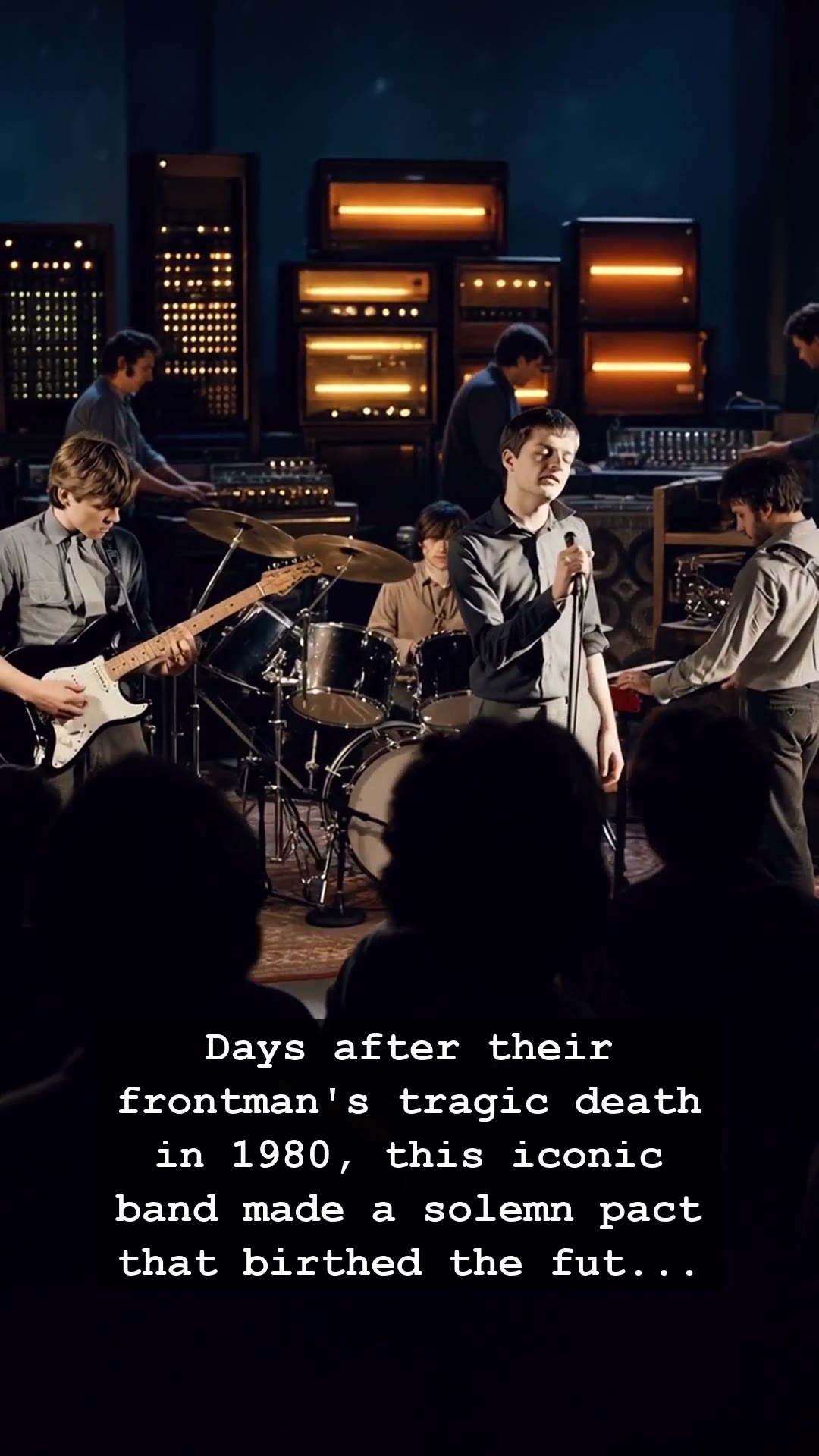
It was May 1980, a time when the post-punk fog was thick over Manchester and the world was mourning the loss of a voice that echoed with haunting sincerity. Ian Curtis, the enigmatic frontman of Joy Division, had taken his own life at the age of twenty-three, just as the band was poised for an American tour and national superstardom. The music stopped, the silence was deafening, and the remaining members—Bernard Sumner, Peter Hook, and Stephen Morris—were left standing in the debris of their shared dreams. In the immediate, agonizing days following the tragedy, the group made a solemn, unspoken pact: the music would not die with Ian. They would shed the skin of their former identity and rise from the ashes to forge a path that nobody saw coming.
The transformation was as brutal as it was beautiful. The remaining members became New Order, an entity that traded the stark, gothic despair of Joy Division for the neon-lit uncertainty of a changing world. It was a terrifying gamble. Critics and fans were skeptical, unsure if a band defined by the melancholy baritone of a lost soul could survive, let alone evolve. Yet, they retreated to the studio, burying their grief in synthesizers and early drum machines. They were no longer just a post-punk outfit; they were pioneers at the intersection of dark rock and the burgeoning electronic scene. This pivot was a direct reaction to the trauma of losing a brother, pushing them to embrace machines to fill the void where a human voice once lived.
As the eighties progressed, New Order became the architects of a sound that filled dance floors from the underground clubs of Manchester to the velvet-rope exclusivity of Studio 54. Tracks like Blue Monday, which would become the best-selling 12-inch single of all time, perfectly captured this transition. It was cold, precise, and yet deeply human, bridging the gap between the gloom of the late seventies and the shiny, polished production of the MTV era. The influence of this shift cannot be overstated. By blending the starkness of Joy Division with hypnotic electronic sequences, they effectively invented the blueprint for modern synth-pop and dance music, leaving behind the gloom to find a strange, flickering light.
Looking back, the evolution from the shadows of Joy Division to the dance-ready pulses of New Order remains one of the most compelling narratives in music history. It was never about abandoning their roots; it was about survival. Every beat, every synthesised melody, and every bass line held the weight of their past. They proved that even when a foundation is shattered, something entirely new can be built from the wreckage, provided you have the courage to keep playing.
Today, the legacy of these Manchester legends continues to resonate with anyone who has ever felt the sting of loss and the urge to move forward. They remind us that the best art often emerges from the deepest shadows. When you spin their records today, you are not just hearing songs; you are listening to a story of resilience that defined an entire generation.