
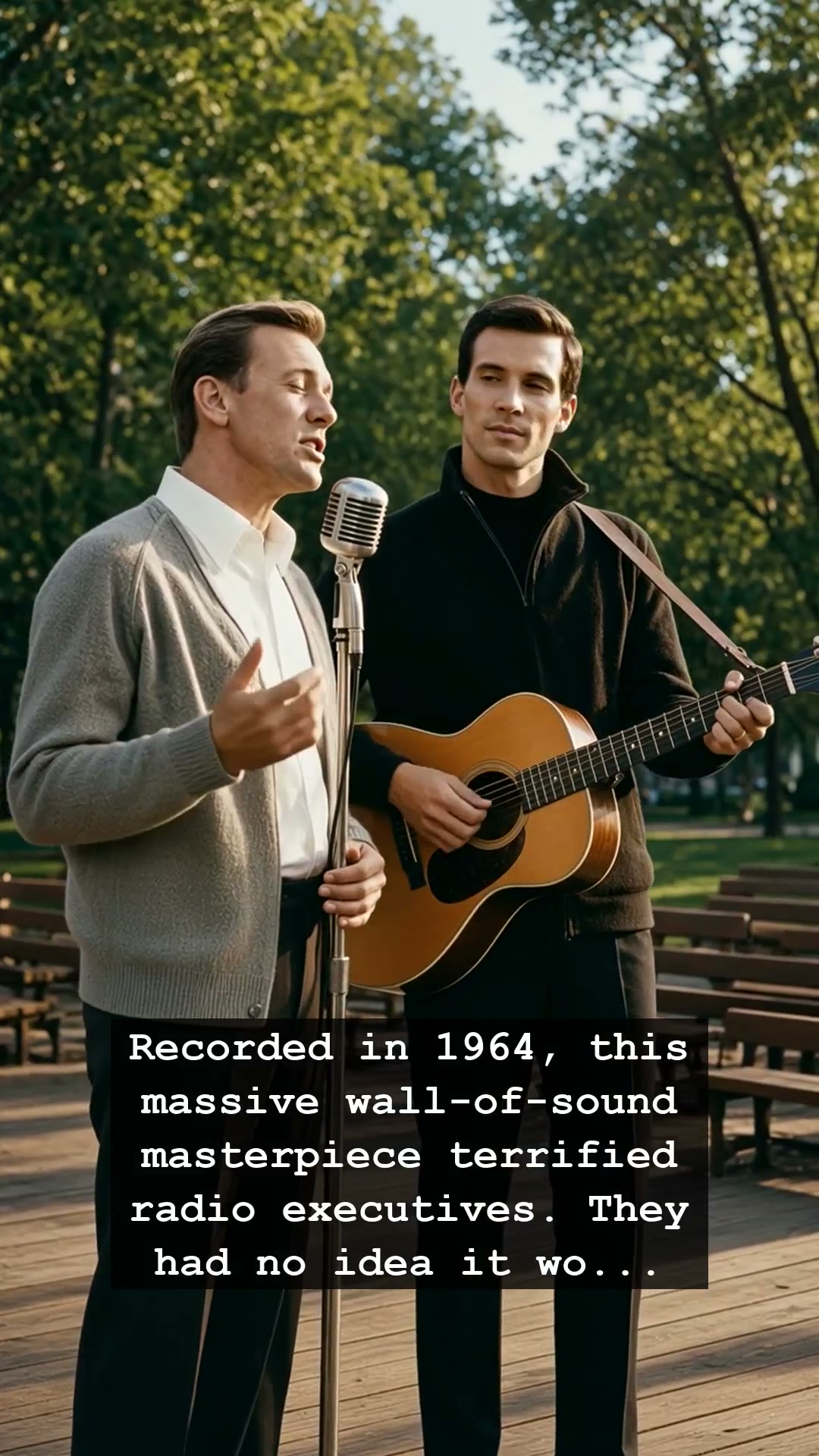
In 1964, the airwaves were dominated by the tight, three-minute pop sensibilities of the early British Invasion. Radio executives were comfortable, predictable, and terrified of anything that broke the mold. When a powerhouse duo known as The Righteous Brothers walked into the studio with a track clocking in at nearly four minutes, industry bosses were horrified. They claimed it was far too long, too operatic, and frankly, a commercial death sentence. But they hadn’t accounted for the sheer, raw intensity of Bill Medley and Bobby Hatfield, nor the ambitious madness of producer Phil Spector. This was the birth of a wall-of-sound masterpiece that would rewrite the rules of pop history forever.
That song was You’ve Lost That Lovin’ Feelin’, a track that began with a haunting, almost whisper-quiet bassline before exploding into a symphonic roar of emotional desperation. During that golden era of the mid-sixties, when the jukebox was the heartbeat of every diner and the transistor radio was our primary window to the world, this song felt like an earthquake. It wasn’t just a record; it was a cinematic experience packed into a spinning piece of vinyl. The Righteous Brothers brought a blue-eyed soul grit that contrasted perfectly with Spector’s dense, layered production. The drama in the studio was palpable, as layers upon layers of instruments were piled on until the sound felt like it might burst through the speakers of a standard home console.
The executives were wrong, of course. The moment the needle dropped, the public was spellbound. It didn’t just climb the charts; it soared straight to number one, shattering the unspoken laws of radio formatting. For the generation growing up under the glow of neon signs and the early buzz of television culture, The Righteous Brothers represented a transition from the innocence of doo-wop to the sophisticated, heavy emotional weight of the late sixties. It was the music of heartbreak perfected, a song that captured the visceral feeling of a relationship slipping through one’s fingers while the world moved relentlessly forward.
Yet, the success of The Righteous Brothers came with a heavy price, as the perfectionist demands of the studio often left the duo feeling like mere instruments in a grand, obsessive experiment. The pressure to replicate that colossal sound meant constant touring and the relentless grind of show business. Behind the velvet suits and the impeccable harmonies lay a deep, complex history of professional tension and personal strife. It is this duality—the sheer beauty of the music versus the crushing weight of fame—that keeps their story alive in our collective memory. We listen today not just for the melody, but for the ghost of an era where every note felt like a life-or-death struggle for relevance.
Decades later, when we hear those opening notes, we aren’t just listening to a classic pop hit; we are stepping back into a room filled with cigarette smoke, the hum of a tube amplifier, and the timeless ache of human longing. The Righteous Brothers proved that when you bet everything on artistic conviction, you don’t just change a chart position—you change culture itself. As the decades drift further from 1964, the brilliance of their gamble remains a testament to the power of a voice that refuses to be ignored. Next time you hear those iconic strings rise, take a moment to remember the risk that defined a generation.