
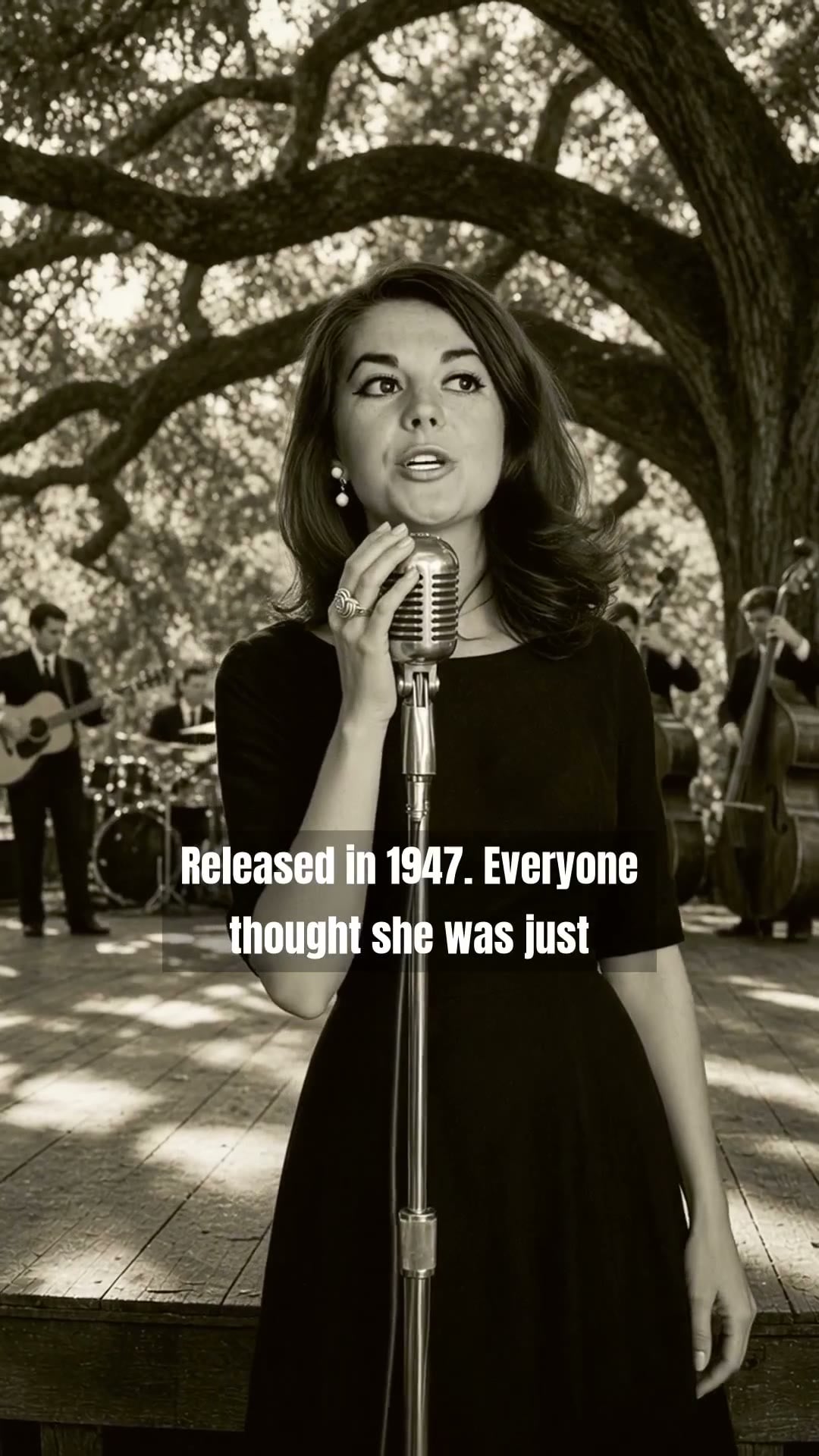
In the golden archives of cinema, few stories shine as brightly or as poignantly as that of Natalie Wood. It began in 1947, a year when the post-war world was looking for a spark of innocence and magic. When the film Miracle on 34th Street graced the silver screen, a nine-year-old girl with expressive eyes and a natural, intuitive grace captured the hearts of audiences across America. While many child stars of that era were often seen as mere novelties, Natalie Wood delivered a performance that was startlingly sophisticated, proving that she possessed an artistic soul far beyond her years.
That early breakout role was not just a passing moment of cuteness; it was the foundation of a career that would evolve alongside the very fabric of Hollywood. Throughout the 1950s and into the transformative era of New Hollywood, Natalie Wood navigated the complexities of being a working actor with a rare blend of vulnerability and steel. She was not merely a face on a poster; she was a woman who took the craft of Method Acting seriously, choosing roles that challenged the traditional expectations of the leading lady. Her work in films like Rebel Without a Cause alongside James Dean remains a testament to the raw, youthful angst that defined a generation.
For those of us who grew up in the era of VHS tapes, revisiting these classic performances feels like opening a cherished time capsule. There is a distinct, warm comfort in the grain of the film stock and the way she commanded the frame without ever needing to raise her voice. Whether she was shining on an Oscar night or walking the storied path of fame, Natalie Wood maintained a certain mysterious elegance that has become increasingly rare in the modern age of digital spectacle. She understood the weight of the silver screen, treating every scene with the respect it deserved.
Beyond the glitz of the Academy Awards and the headlines, it is her human connection that resonates most deeply today. Her relationships with other icons of the Golden Age—those quiet moments of camaraderie shared away from the relentless flash of the paparazzi—remind us that these legends were, first and foremost, artists searching for truth. She grew up in public view, surviving the transition from a child wonder to a mature star, and in doing so, she became a mirror for the evolving American experience. Her legacy is not just in the celluloid she left behind, but in the enduring way she touched the lives of those who watched her bloom.
Even now, decades later, the magic of that nine-year-old girl in 1947 continues to enchant new viewers. Natalie Wood remains a beloved figure, a bridge between the classic studio system and the gritty, realistic dramas that would define the decades to come. As we look back on the history of the screen, we find her image preserved in our collective memory, a timeless reminder of the power of authentic performance. We invite you to dust off those old tapes, dim the lights, and let the gentle, unforgettable grace of Natalie Wood transport you back to a more cinematic time.