
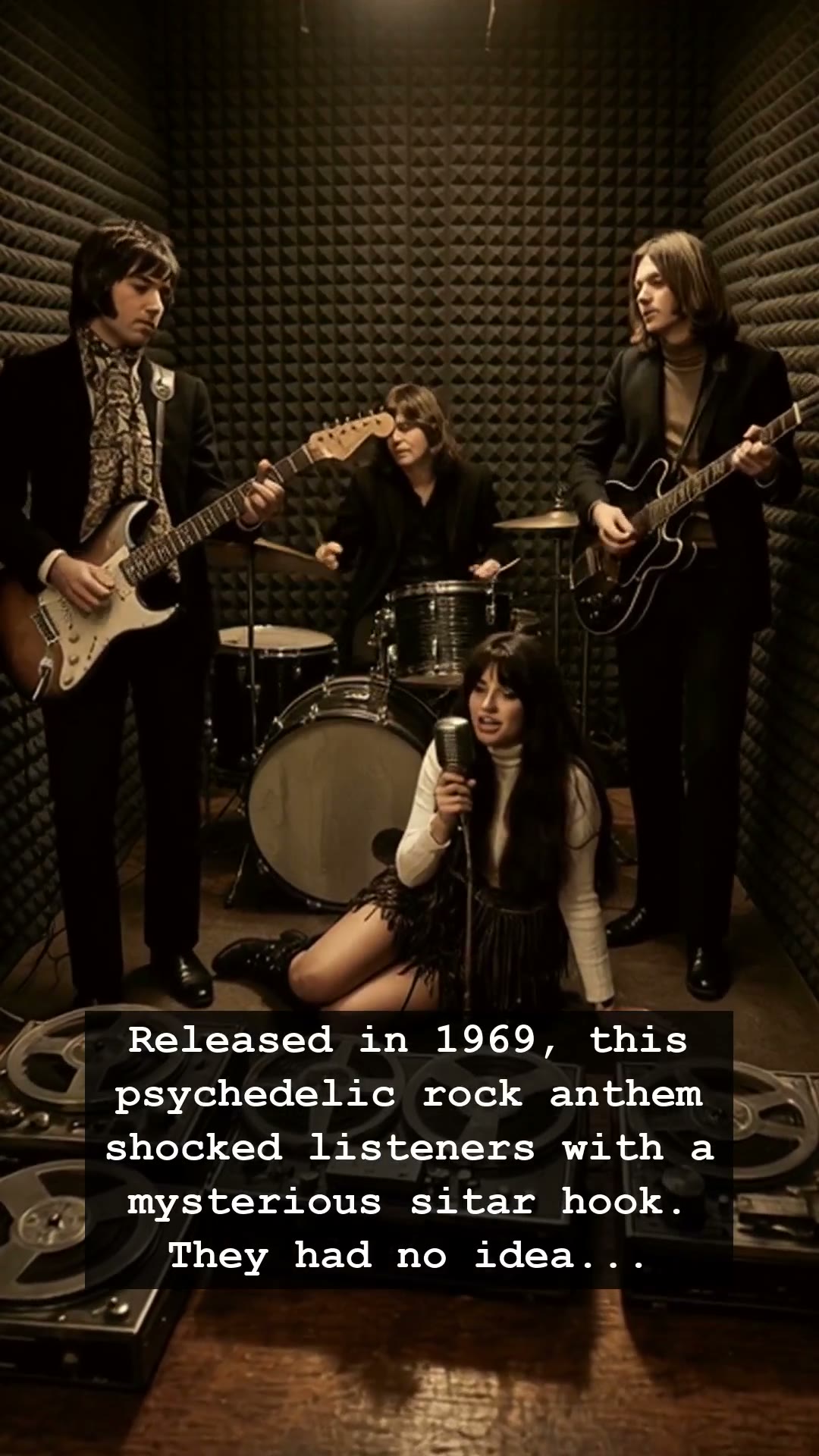
It started with a sitar riff that sounded like it had been pulled from the sands of an ancient desert, yet it was broadcast through the crackling speakers of a 1969 living room. When Shocking Blue released their defining hit, Venus, the world was not ready for the hypnotic, psychedelic fusion that would soon dominate the global airwaves. While the psychedelic rock era was already painting the world in technicolor, this Dutch band managed to craft a sound so exotic and intoxicating that it felt like an auditory hallucination. Listeners were spellbound, unaware that this four-minute masterpiece was about to trigger a musical revolution that echoed from European clubs to the neon-drenched streets of America.
Behind the shimmering melody lay the magnetic presence of Mariska Veres, the band’s powerhouse lead singer. With her piercing eyes and dramatic, haunting vocal delivery, she became the face of a sound that refused to be categorized. Yet, the story of Shocking Blue was never just about the music. It was a tale of sudden, explosive fame, the kind that forces a group of artists into a whirlwind of television appearances and relentless touring. The industry, ever hungry for the next big sensation, clung to Shocking Blue, but the internal pressure of maintaining that unique, ethereal aesthetic took its toll. Like many bands caught in the transition between the flower-power sixties and the grittier seventies, they found themselves navigating the dark corridors of fame.
To hear a Shocking Blue track today is to instantly teleport back to an era where the Jukebox was king and every record store held the promise of a new sonic frontier. The song Venus remains a strange, beautiful anomaly in the landscape of 1969. While groups like The Beatles were exploring studio experimentation and the Woodstock generation was demanding social change, Shocking Blue offered an escapist dream. They bridged the gap between raw garage rock and a more refined, polished pop production, effectively changing the trajectory of radio hits for the next decade. It was the sound of a generation turning its head to look at something entirely new.
What makes the legacy of Shocking Blue so resilient is its authenticity. They did not try to imitate the British Invasion or the California sound; they carved out a niche that was unapologetically their own. Their success was a shock to the industry, proving that a band from the Netherlands could infiltrate the Billboard charts with a melody that felt both alien and strangely familiar. The mystery of the sitar hook still grabs hold of you, a testament to a time when artists took risks that today’s algorithm-driven music scene rarely dares to replicate.
Decades later, the echo of that 1969 anthem serves as a reminder of the fleeting nature of stardom and the permanence of a great melody. Shocking Blue may have moved through history like a ghost, but they left a mark that refused to fade. As we look back at the vinyl records gathering dust on our shelves, we realize that some songs never truly stop playing. Do you remember where you were when that iconic riff first caught your ear?