
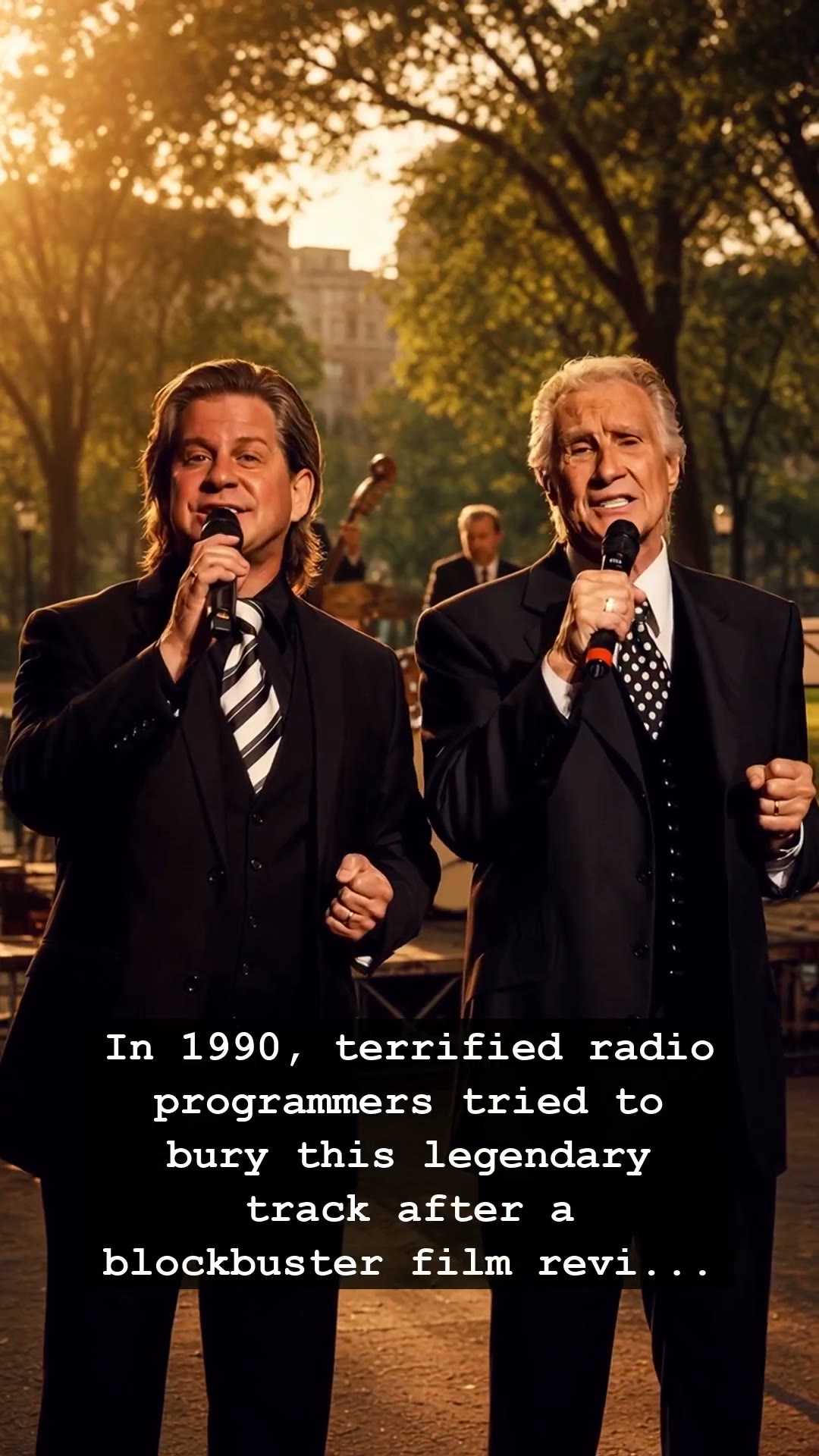
In 1990, the music industry was obsessed with the neon-soaked sounds of synth-pop and the rising grit of new alternative scenes. Old-school radio programmers were convinced that the golden era of the 1960s was firmly locked in the past, relegated to dusty record crates and forgotten Jukebox collections. When a certain blockbuster film hit theaters that year, these executives were genuinely terrified. They believed a decades-old ballad featured in the movie was far too slow and archaic for modern ears. They tried to bury it, refusing to play it on air, convinced it would kill their station ratings. They were dead wrong. The public, moved by the haunting, ethereal pottery scene in the film Ghost, demanded to hear the song again and again. It was an unstoppable wave of nostalgia that forced a historic resurgence, proving that the soulful magic of The Righteous Brothers could transcend generations.
The song in question was, of course, Unchained Melody. First recorded in 1965, the track captures the raw, aching vulnerability that defined The Righteous Brothers. Bill Medley and Bobby Hatfield were not your typical pop stars; they possessed a blue-eyed soul that felt deeply earned. Their harmony was a collision of Medley’s cavernous, soulful baritone and Hatfield’s soaring, fragile falsetto. They didn’t just sing songs; they breathed life into them, transforming standard arrangements into dramatic, cinematic experiences. During the mid-sixties, the duo navigated the shifting cultural tides of the American music scene, holding their own against the British Invasion by grounding their sound in the emotional intensity of the Motown era and the classic blues tradition.
Yet, the road to fame was never easy for The Righteous Brothers. Behind the scenes, the duo dealt with the grinding pressure of relentless touring and the personal demons that often accompany sudden, massive fame. They were men of their time, caught in a music industry that was rapidly changing from the intimate studio sessions of the early sixties to the bloated, cocaine-fueled excess of the seventies. Despite the internal friction and the constant demands of their label, their voices remained a constant, providing a soundtrack for lovers and the lonely hearts of mid-century America. When the 1990 resurgence happened, it wasn’t just a win for the song; it was a vindication of the artistry that Bill Medley and Bobby Hatfield had poured into their craft decades earlier.
Looking back, the success of Unchained Melody serves as a beautiful anomaly in pop history. It reminds us of a time when music was judged by the depth of its feeling rather than the sharpness of its production. Whether you experienced it through a transistor radio in the sixties or discovered it while clutching a box of tissues in a dark cinema in 1990, the song remains a testament to the power of pure, unadulterated human emotion. The Righteous Brothers may have experienced their fair share of heartbreak, but their music continues to echo through the halls of time, proving that true legends never really fade away.