
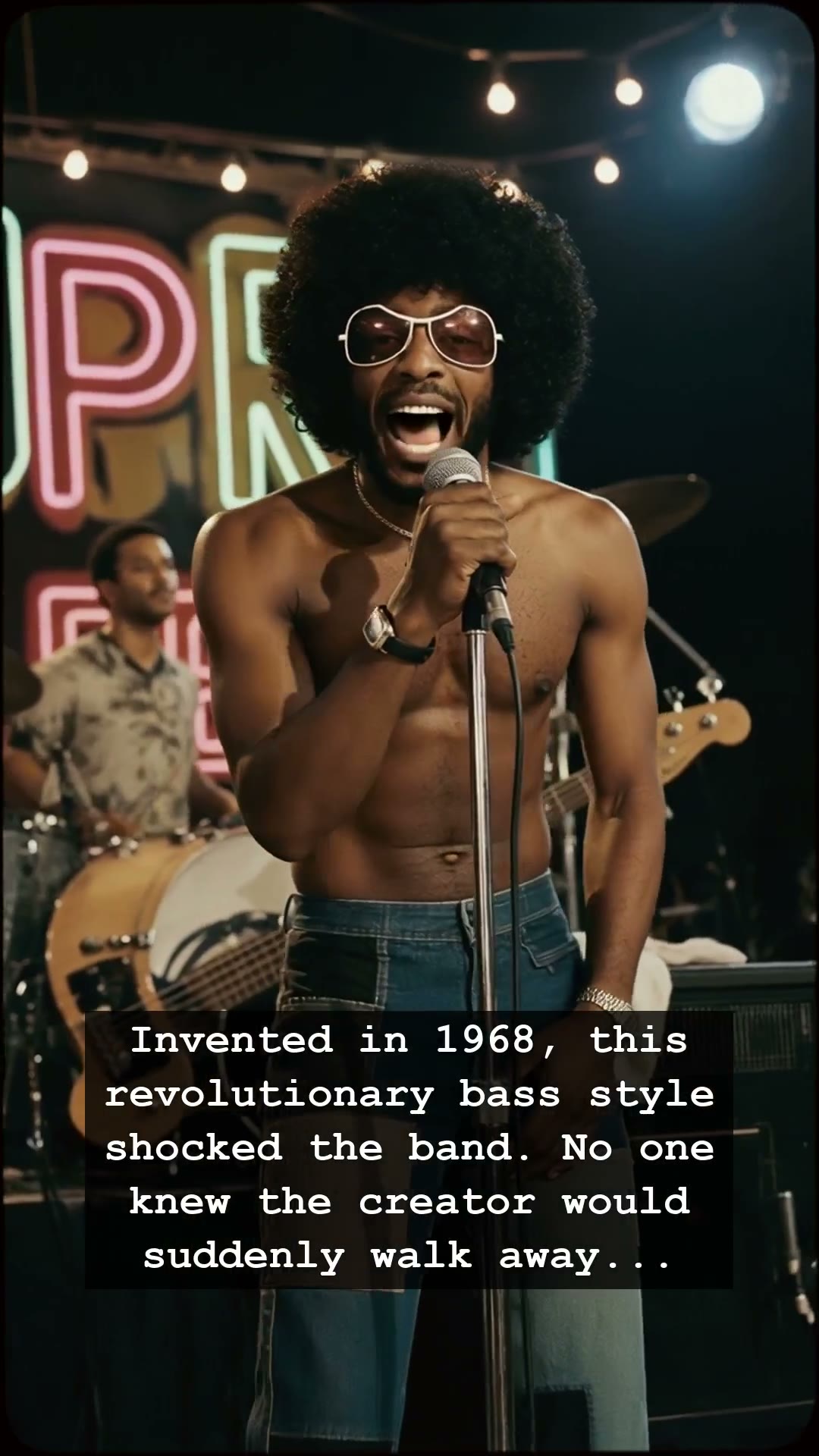
In the sweltering heat of the late sixties, the airwaves were changing. While the flower power movement bloomed in San Francisco, a seismic shift was happening in the rhythm section of one of the most revolutionary bands in history. Sly and the Family Stone had just broken every rule in the book, blending soul, rock, and funk into a psychedelic cocktail that forced America to dance. Yet, beneath the grooves of their multi-racial harmony lay a hidden tension that would eventually tear the band apart, leaving an empty stage where a genius once stood.
At the center of this musical explosion was Larry Graham, the man who quite literally redefined the sound of the bass guitar. In 1968, Graham pioneered the thumb-thumping technique, a percussive, aggressive style that transformed the bass from a background rhythm instrument into the pounding, percussive heart of funk. Before the world fully grasped the complexity of his innovation, the golden era of Sly and the Family Stone began to fracture. The band was a social experiment, but the reality of living in the high-octane spotlight of the late sixties took a toll that no amount of success could patch over.
The drama within the group was as legendary as their performance at Woodstock. Fueled by perfectionism and the mounting pressures of fame, the band members became increasingly isolated. The studio, once a sanctuary for creative collaboration, became a battlefield of egos and personal demons. As the band reached their commercial peak with hits that defined the era, the interpersonal relationships crumbled. For those who were there, listening to the crackle of a vinyl record in those years, the music felt like a revolution, but behind the velvet curtains, the band was burning out, consumed by the excesses of the life they had helped invent.
Then came the shockwave. At the very height of their cultural dominance, Larry Graham walked away. It was a sudden, silent departure that left fans and bandmates stunned. The visionary who had shocked the world with his bass technique simply evaporated from the lineup, leaving a void that the band never truly recovered from. It was the end of a golden chapter, a moment where the promise of collective harmony met the cold, harsh reality of human fragility. The departure wasn’t just a personnel change; it was the beginning of the end for the pure, unadulterated magic that Sly and the Family Stone represented to a generation.
Looking back at that era, through the lens of faded polaroids and dusty jukeboxes, we are reminded of how fleeting genius truly is. Sly and the Family Stone didn’t just play music; they captured the chaotic, hopeful, and eventually tragic spirit of an America in transition. Even today, when you drop the needle on their classic tracks, you can hear that revolutionary bassline still echoing, a haunting reminder of what we gained and what we lost. It remains a timeless, bittersweet melody that refuses to fade away into the silence of history.