
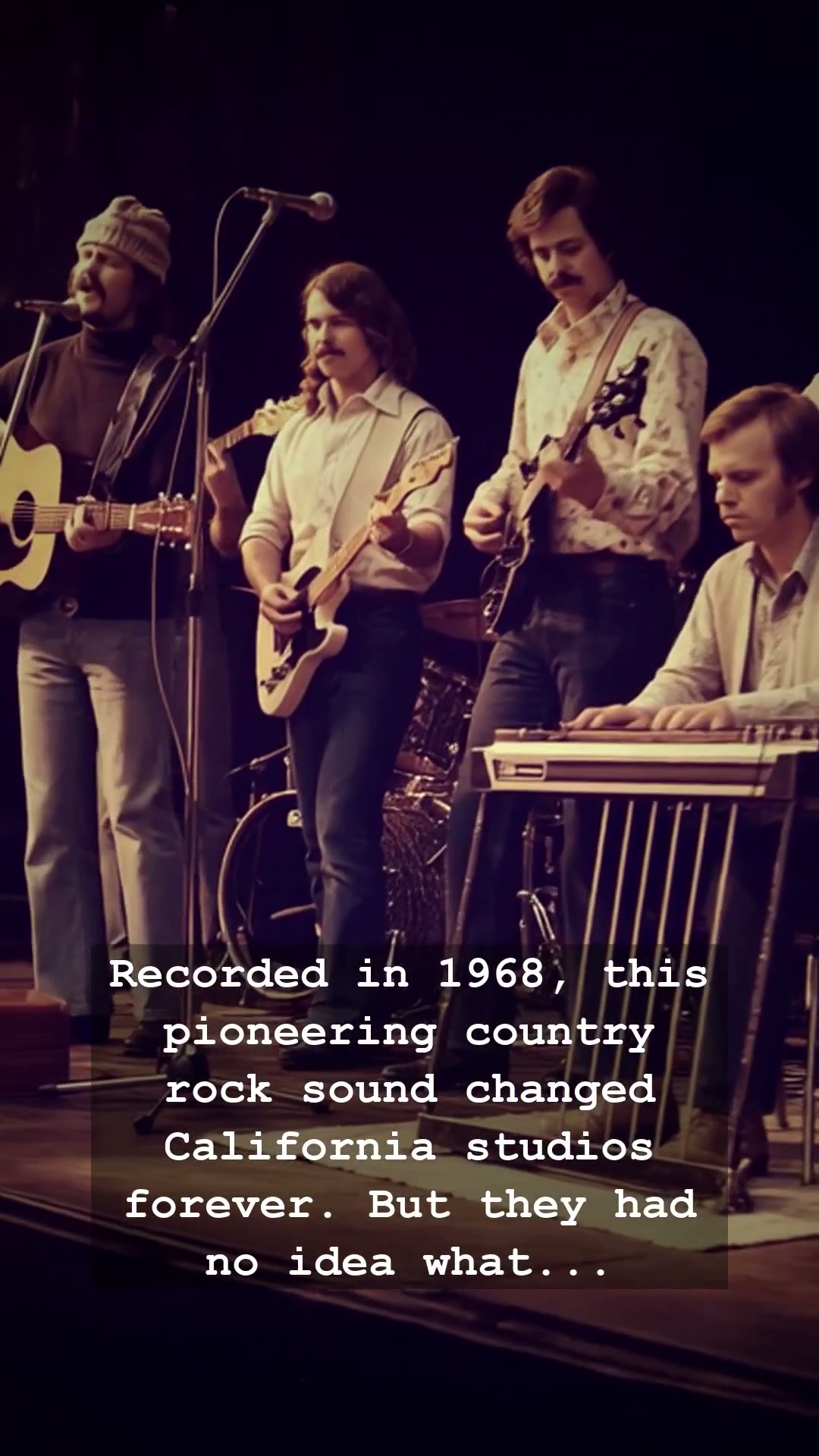
In the hazy, golden-hued California of 1968, something transformative was brewing behind the thick glass of recording studios. It wasn’t the polished pop of the radio charts or the heavy psychedelia dominating the sunset strip. It was the birth of cosmic country, a sound that dared to marry the twang of traditional pedal steel guitars with the gritty, rebellious pulse of the counterculture. At the center of this musical revolution were The Flying Burrito Brothers, an outfit whose short-lived brilliance would quietly echo through decades of American music, though they had no idea that their creative combustion would burn out so prematurely.
The Flying Burrito Brothers emerged from the ashes of the Byrds, led by the enigmatic and troubled genius Gram Parsons. At a time when the Jukebox was shifting from saccharine pop to something more organic and earthbound, they became the architects of a sound that defied categorization. They were too country for the rock crowds and too rowdy for the Nashville establishment, yet they perfectly captured the disillusioned spirit of the late sixties. Their music wasn’t just a style; it was a vibe that defined a California generation, acting as a bridge between the Woodstock era’s idealism and the more somber reality that followed.
Behind the curtains of their meteoric rise lay a landscape of excess and internal friction. The Flying Burrito Brothers lived in a world of rhinestones and heartache, where the line between their stage personas and their off-stage struggles with substance abuse began to blur irrevocably. It was the classic rock and roll tragedy, where the creative genius of Parsons often clashed with the harsh demands of the music industry. The studio sessions were electric, capturing a raw, authentic emotion that still resonates with listeners who stumble upon their dusty vinyl records in basement crates today. They were chasing a ghost of Americana that felt more real than the slick products hitting the airwaves.
Their influence became a silent bedrock for the next generation of artists. Without the daring experimentation of The Flying Burrito Brothers, the landscape of modern alt-country and Americana might never have taken root. They were the pioneers who walked into the studio, picked up their instruments, and changed the DNA of American rock forever. Their story remains one of the most compelling dramas of the twentieth century, marked by the inevitable collision of artistic ambition and the dark, seductive pressure of fame that defined that era of American culture.
Even as the years have passed, the legacy of The Flying Burrito Brothers refuses to fade into the background. Every time a pedal steel cries out on a modern folk album, the ghost of their innovation is present. Their music captures a moment in time when anything seemed possible, even if it was doomed to fall apart. Do you remember the first time the chime of their steel guitar reached your ears, reminding you of a California sun that set a lifetime ago?