
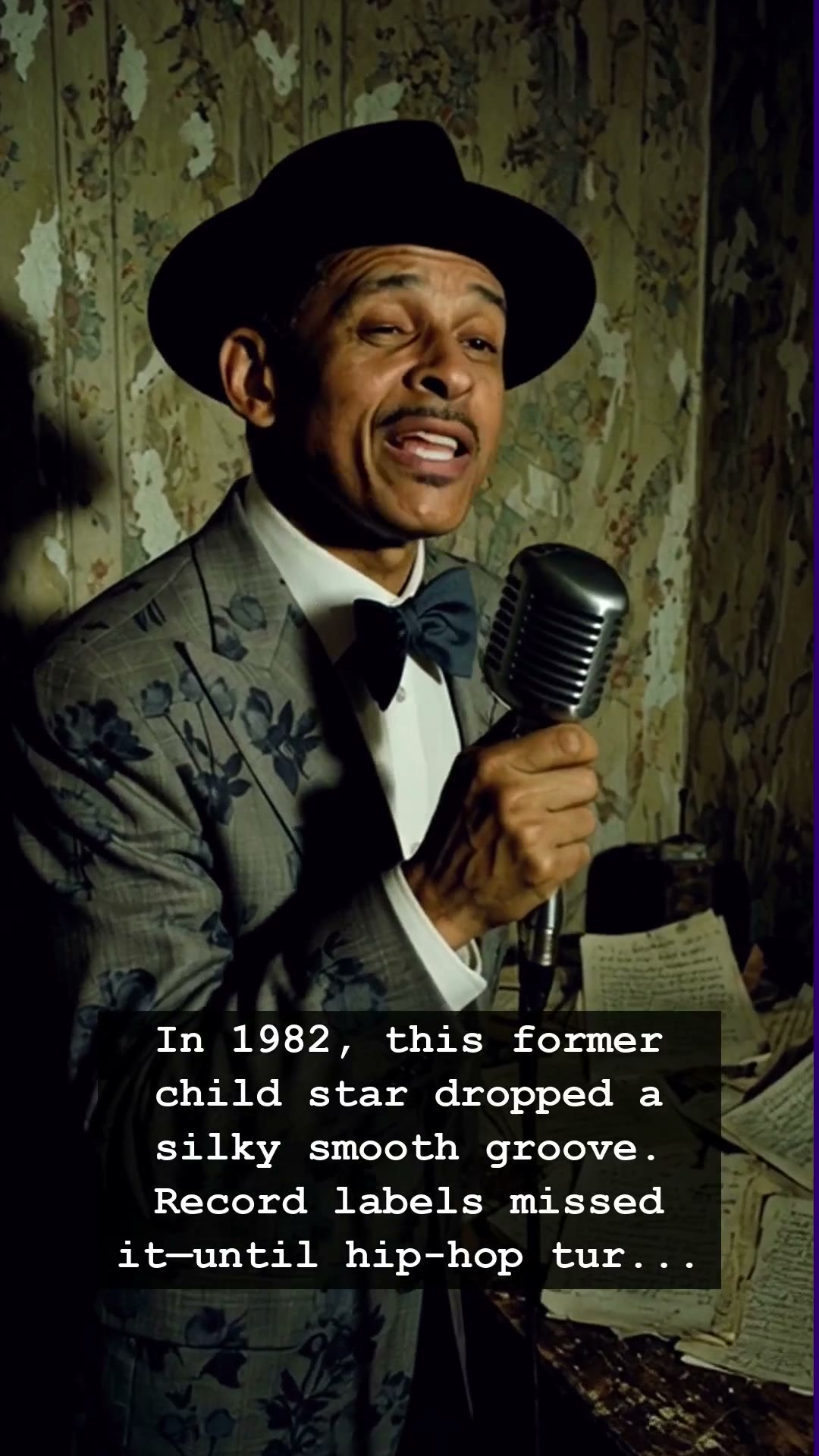
In the glitzy, neon-soaked landscape of 1982, the music industry was obsessed with the flash of MTV and the rigid beats of the burgeoning synth-pop era. While executives at major labels were chasing the next big pop spectacle, a seasoned musician named Keni Burke was busy crafting a masterpiece that felt like a quiet, soulful rebellion. Little did anyone know, this former child star from the legendary Five Stairsteps was creating a sonic blueprint that would eventually ripple through decades of music history, eventually becoming the heartbeat of modern hip-hop culture.
Keni Burke was no stranger to the limelight, having grown up as part of the family group that gave the world the immortal O-o-h Child. By 1982, he was a man on a mission to redefine his own sound. When he stepped into the studio to record his album You’re the Best, he brought with him a level of musicianship and silky smooth production that arguably put him years ahead of his time. The title track and other cuts from the record were drenched in sophisticated arrangements and a bass-heavy groove that felt warm, intimate, and profoundly human. It was the kind of music meant to be played on a high-end stereo in a dimly lit apartment, a stark contrast to the hollow drum machines that were starting to dominate the airwaves.
Yet, for all its brilliance, the industry turned a blind eye. Marketing executives, blinded by the novelty of the Walkman and the sudden explosion of disco-fueled dance floors, dismissed Keni Burke as a relic of a bygone R&B era. They failed to see the longevity inherent in his compositions. They missed the texture of his bass lines, which possessed an infectious, elastic quality that begged to be looped and reimagined. It is a recurring tragedy in the history of soul music: brilliance often goes unrecognized by the accountants of the day, only to be unearthed by the visionaries of tomorrow.
Decades later, the tide finally turned. As hip-hop producers began digging through crates of forgotten vinyl to find the perfect break, they discovered the magic of Keni Burke. His grooves were not just songs; they were musical textures. Sampling became the bridge between his 1982 vision and the rap anthems that followed. Suddenly, a new generation of listeners—youngsters who had never walked past a Jukebox—were nodding their heads to the very same rhythms that the labels once deemed unworthy of promotion. His work was no longer a hidden gem; it had become the rhythmic DNA of an entirely new genre.
Today, listening to a Keni Burke track feels like opening a time capsule of pure, unadulterated talent. It is a reminder that great art eventually finds its audience, even if it takes thirty years for the world to catch up. The story of Keni Burke is more than just a footnote in the archives of R&B; it is a testament to the power of authentic craftsmanship. The next time you hear a bass line that makes your soul stir, take a moment to consider the artists who paved the way long before the digital age, and remember that real music never truly goes out of style.