
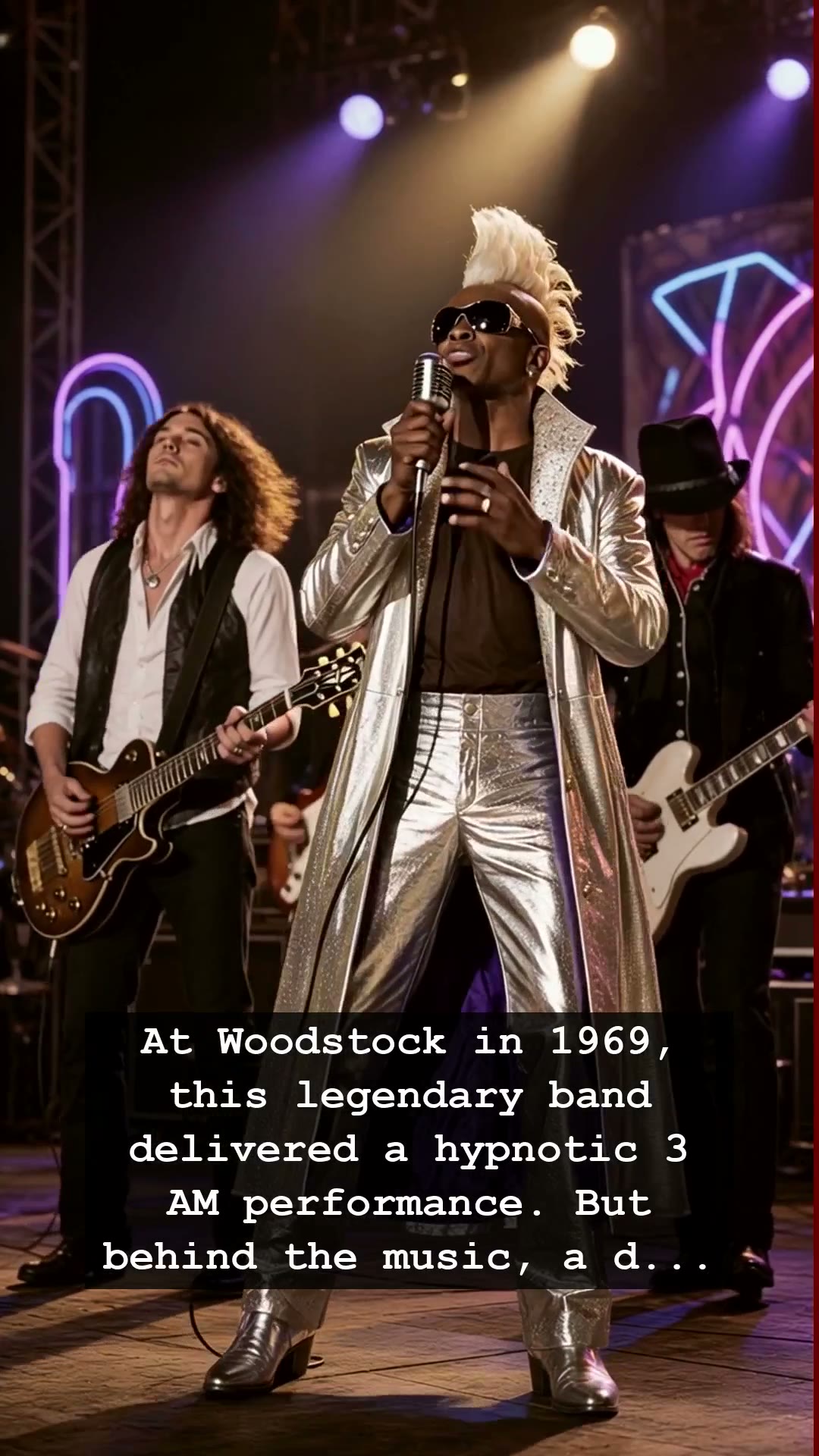
It was 3 AM at Woodstock in 1969, and the humid air was thick with the scent of mud and anticipation. When Sly and the Family Stone hit the stage, they didn’t just perform; they ignited the night. Their set was a hypnotic, soul-shaking fusion of funk and psychedelia that managed to wake up half a million souls shivering in the dark. For that brief, transcendent hour, Sly Stone was not just a musician; he was the undisputed architect of a new musical consciousness. But as the blinding stage lights faded into the morning fog, the euphoria was already beginning to fracture. Behind the iconic gold-lame outfits and the infectious grooves that bridged racial divides, a chilling, silent descent was taking root in the heart of the band.
The tragedy of Sly and the Family Stone is one of the most haunting tales of the 1970s. As the group climbed to the peak of the charts with anthems like Everyday People, the very success that brought them fame began to poison their foundation. Sly Stone, the visionary genius who once united his brothers, sisters, and friends under one musical banner, started retreating into a fortress of isolation. The collaborative spirit that defined their early albums like Stand! slowly surrendered to the suffocating weight of extreme paranoia. The studio, once a sanctuary of creativity, became a dungeon of erratic behavior, broken appointments, and a deepening addiction that turned bandmates into strangers.
By the time the band moved into the era of the Walkman and the gritty decadence of the mid-70s, the unity of Sly and the Family Stone was essentially a shell. The stories emerging from their recording sessions were filled with tension, missed cues, and a frontman who increasingly refused to speak to his band, preferring to communicate through cryptic notes. The band that once represented the ultimate harmony of soul, rock, and funk was being dismantled by the pressures of superstardom and the dark, corrosive influence of the substances that permeated the industry at the time. It was a classic, painful story of how the brightest stars often burn through their own fuel the fastest.
Looking back, the decline of Sly and the Family Stone reflects the broader disillusionment of the post-Woodstock generation. The transition from the collective idealism of the late sixties to the cynical excess of the late seventies took its toll on many, but few fell as far or as quickly as Sly. The magic they created on stage in 1969 remains a touchstone of musical history, serving as a reminder of what happens when raw genius is left unchecked by the harsh realities of fame and personal demons. Their records still crackle with a vitality that refuses to age, even as the history behind them grows increasingly somber with each passing decade.
Today, we listen to their music not just for the groove, but for the ghost of the unity they once promised. Sly and the Family Stone serve as a bittersweet reminder of how fleeting greatness can be when the light fades into the shadows of the self. As we revisit the dusty vinyl of that golden era, we are forced to reconcile the genius of the man with the tragedy of his silence. Their legacy is complicated and deeply human, much like the changing times they soundtracked, leaving us to wonder what might have been had the music never stopped playing.