
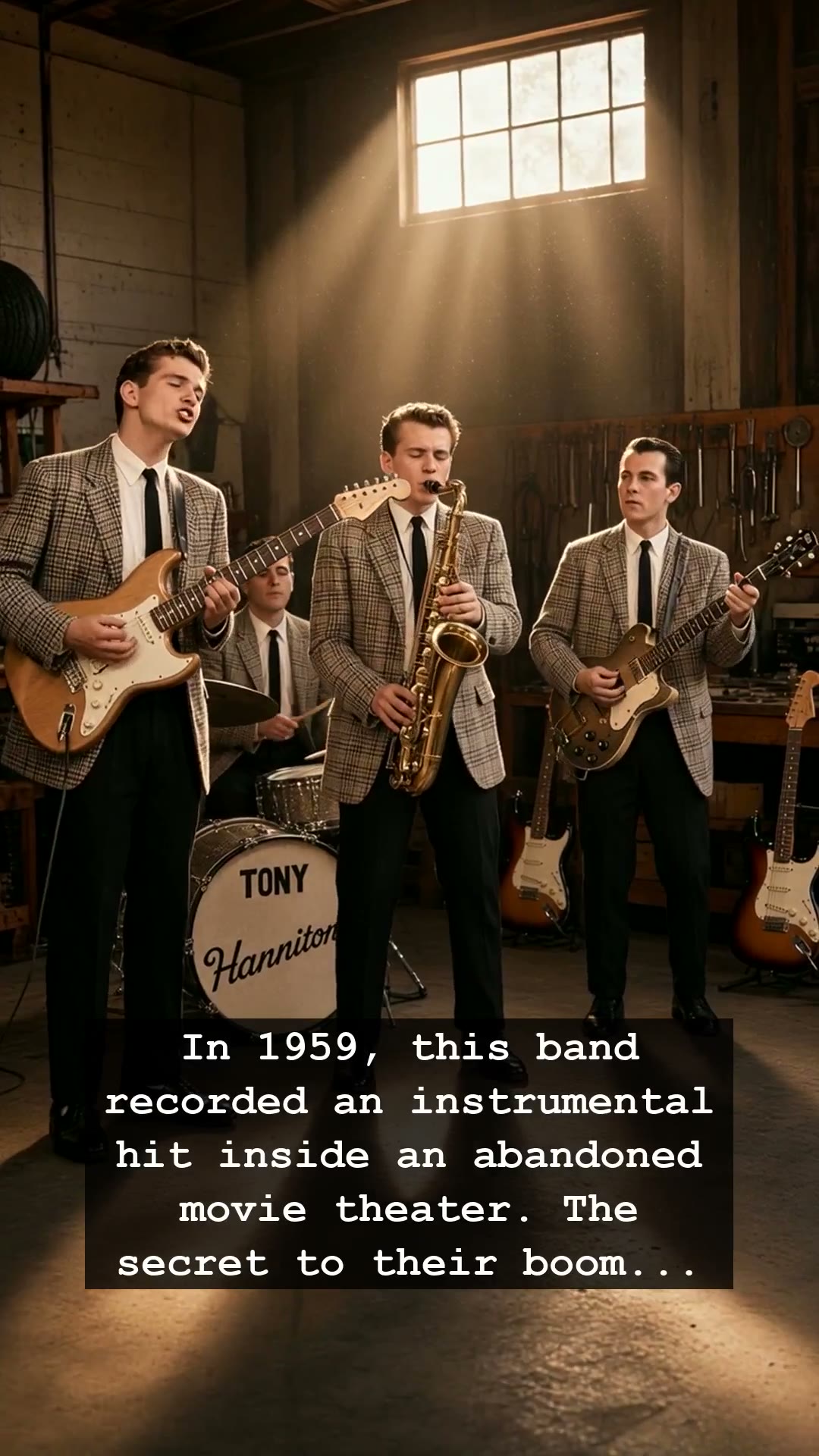
In 1959, the airwaves were dominated by polished, studio-perfect pop, but one group of rebellious teenagers from Ohio was about to shatter the silence. Johnny and the Hurricanes, led by saxophonist Johnny Paris, didn’t care for the pristine, sterile atmosphere of professional recording booths. They were chasing something primal, a raw and booming sound that could only be found in the decaying architecture of a forgotten age. When they walked into an abandoned movie theater in Toledo, they weren’t just looking for a space to play; they were hunting for a ghost that would define their sound forever.
The secret to the thunderous, stadium-filling resonance on tracks like Red River Rock wasn’t a fancy electronic processor or a high-end studio filter. It was pure, unfiltered acoustics born from the hollowed-out belly of a crumbling cinema. As the band set up their gear amidst the dusty, velvet-cushioned seats, they realized that the vast, empty space acted like a natural echo chamber. Every blast of the saxophone and every rhythmic stomp of the drums bounced off the plaster walls and high ceilings, creating a haunting, metallic reverb that sounded lightyears ahead of its time. It was an accidental masterpiece of sound engineering that sent shivers down the spines of music executives across America.
Johnny and the Hurricanes became pioneers of the instrumental rock craze that defined the late 1950s. While peers were busy crafting lyrical ballads, this ensemble focused on high-energy, saxophone-driven anthems that transformed jukeboxes into engines of pure adrenaline. This era was the dawn of the rock ‘n’ roll explosion, a time when the electric guitar and the tenor sax were the ultimate symbols of teenage defiance. The band’s decision to record in that dilapidated theater wasn’t just a desperate measure; it was an artistic choice that gave their music a gritty, cinematic texture that remains unmistakable even decades later.
Yet, the drama of their success was shadowed by the transient nature of the era. The meteoric rise of Johnny and the Hurricanes was brief, mirroring the flickering lights of the very theaters they performed in. As the 1960s approached, shifting musical landscapes and the rise of British invasion bands gradually pushed these instrumental titans into the annals of history. The group dealt with the typical pressures of touring, intense label disputes, and the isolation that often accompanies overnight fame in the rock ‘n’ roll circuit. Despite the chaos, their sonic footprint stayed firmly planted in the hearts of those who remember the smell of popcorn and the roar of a live band in a small-town theater.
Today, we look back at their work as a testament to human ingenuity. In an age dominated by digital perfection, the raw, echoing walls of that Toledo theater offer a nostalgic reminder that sometimes the best sounds come from the most unlikely places. Johnny and the Hurricanes proved that with enough vision, you can turn an empty room into a timeless classic. Next time you hear the opening notes of their hit songs, listen closely; you might just hear the faint, ghostly echo of a forgotten cinema coming back to life.