
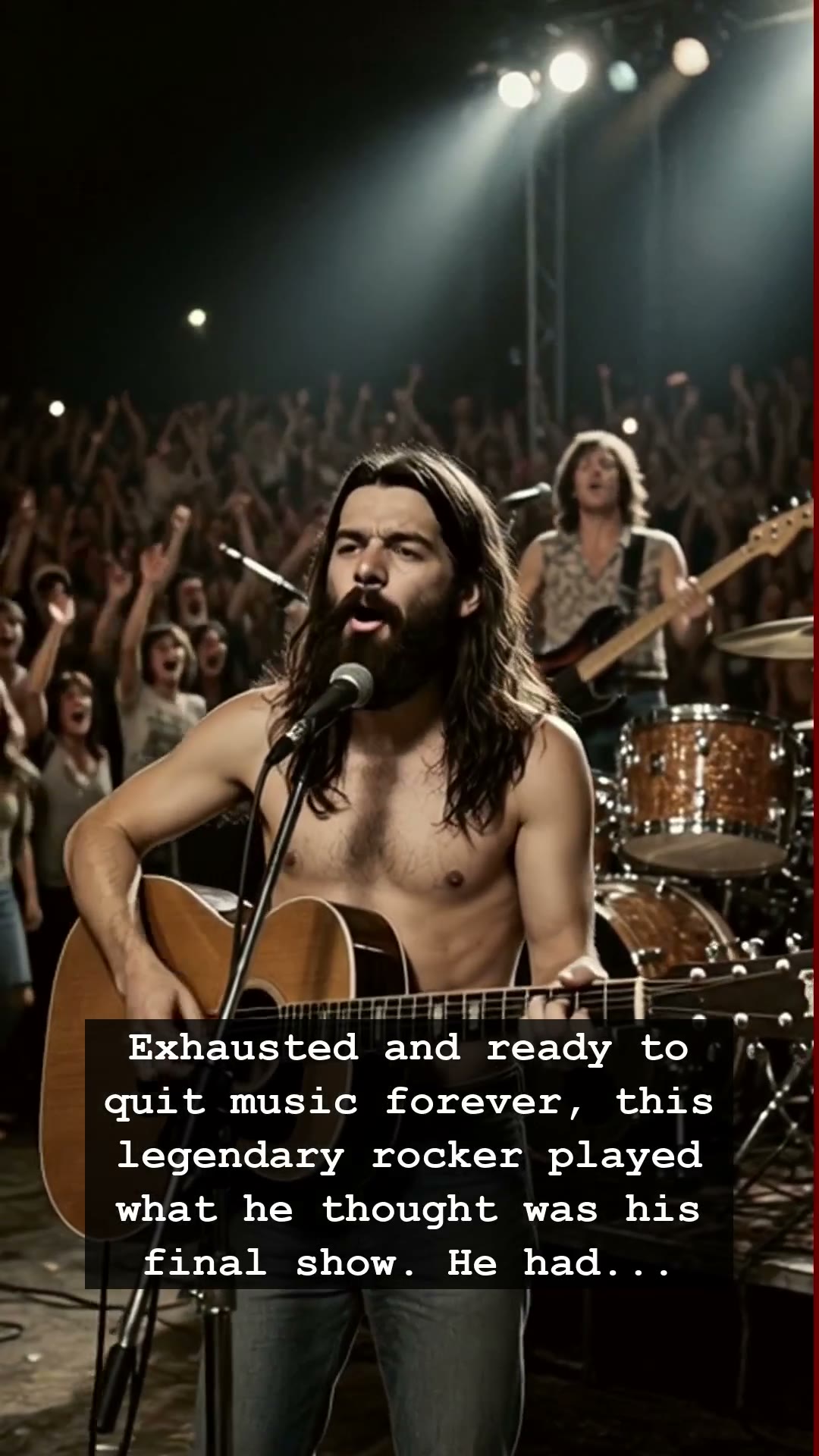
It was December 1975, and the neon lights of the Midwest club scene felt less like a dream and more like a closing door. For Bob Seger, a man who had spent the better part of a decade grinding through sweat-soaked venues and empty bars, the fuel tank was officially dry. He was tired. Not just the physical exhaustion of touring, but the soul-crushing weight of believing his best music was falling on deaf ears. He had decided that this show would be his last. He would pack away his guitar, trade the road for a quiet life, and leave behind the broken promises of rock stardom. He had no way of knowing that the tapes rolling that night were about to ignite a firestorm that would redefine the sound of blue-collar American rock forever.
The resulting live album, Live Bullet, wasn’t just a record; it was a thunderstorm captured on magnetic tape. Recorded at the Cobo Hall in Detroit, it served as a raw, unfiltered testament to a performer who had been hiding in plain sight. Before the days of polished MTV music videos or the curated image of modern pop, Bob Seger delivered a performance so blistering and authentic that it hit listeners like a freight train. When it was released in 1976, it didn’t just climb the charts; it connected with a generation of listeners who found their own weariness, hope, and restlessness echoed in tracks like Turn the Page. The album became a rite of passage, often played on cassette players and heavy-duty stereos, cementing the rugged, honest sound that became synonymous with the heartland.
Bob Seger had spent years trying to fit the industry’s mold, but it was his sheer refusal to quit—even when he had one foot out the door—that finally broke the dam. The timing could not have been more perfect. As the mid-seventies transitioned toward the excess of the disco era and the encroaching synthetic sounds of the eighties, the gritty, organ-heavy drive of his music felt like a grounding force. Fans didn’t just hear the music; they felt the smoke, the stale beer, and the high-octane energy of a man giving every ounce of his spirit to a crowd that finally, truly, heard him.
Looking back, it is impossible to imagine the landscape of classic rock without this pivotal moment. Bob Seger transformed from a struggling songwriter into a voice of the everyman, a storyteller who captured the bittersweet reality of touring life. That one show in Detroit remains a legendary piece of music history, a reminder that genius is often just persistence with a little bit of luck. The story of Bob Seger serves as a poignant reminder that even when we are at our lowest, our greatest breakthrough might be just a few chords away.
Perhaps it is that raw vulnerability that keeps us coming back to his catalog decades later. Whether you heard it on a worn-out 8-track or streaming through modern speakers, the urgency in his voice remains timeless. It is the sound of a man who looked at the end of the road and decided to write a new beginning instead. So, the next time you find yourself turning up the volume on a classic Bob Seger track, remember the December night in 1975 when everything changed, and thank your lucky stars he decided to play just one more song.