
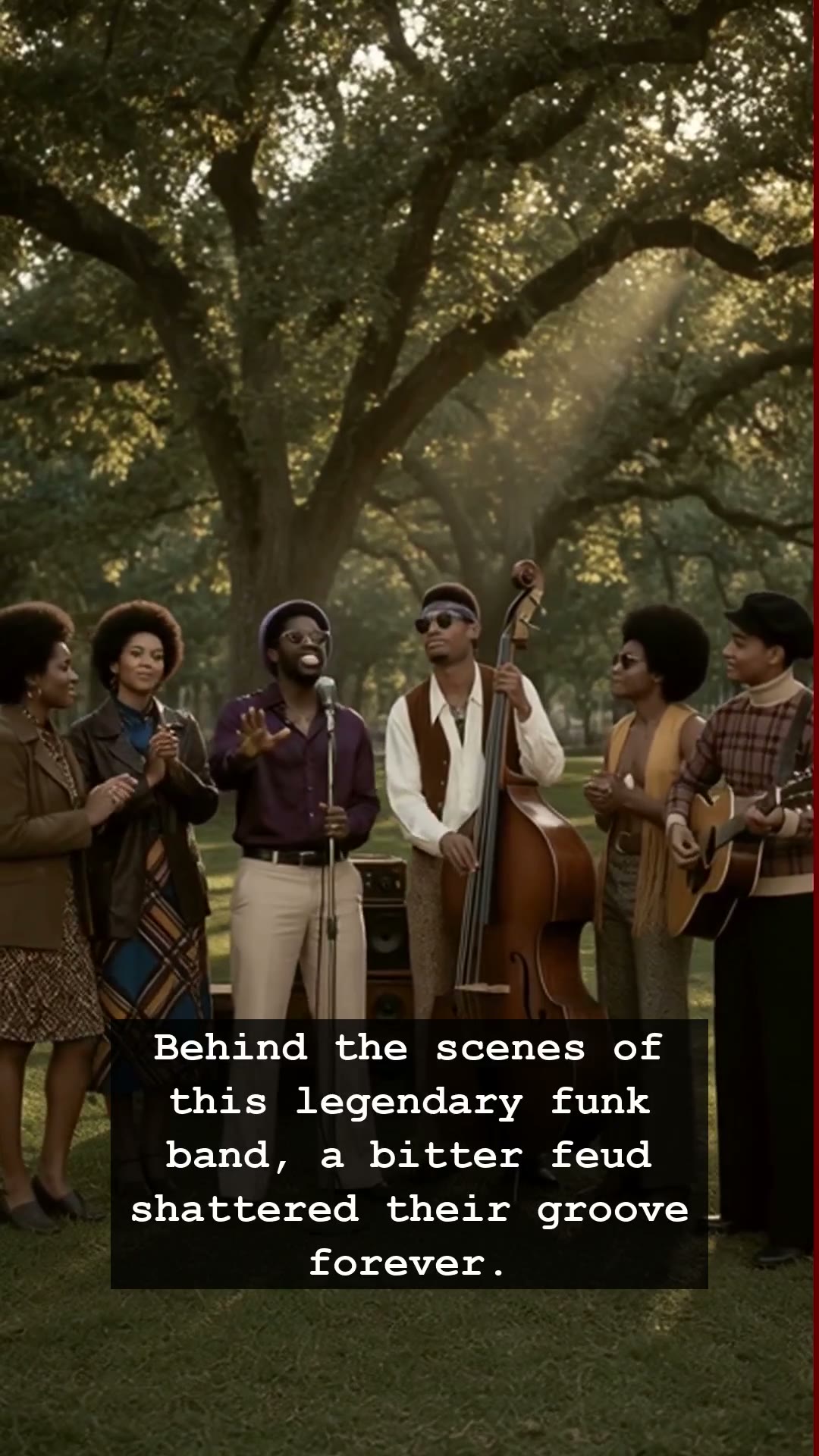
It was 1972, a time when the airwaves were dominated by the thick, infectious basslines of a band that promised a revolution of peace and harmony. Sly and the Family Stone had been the architects of the kaleidoscopic funk sound, bridging races and genres under the radiant glow of the late sixties. But behind the shimmering stage lights and the euphoric crowds at Woodstock, the velvet curtains were closing on a nightmare. The visionary collective that once stood as a symbol of unity was disintegrating into a toxic web of paranoia, missed shows, and bitter, escalating resentment that would eventually shatter their groove forever.
At the center of the storm was the enigmatic genius Sly Stone, whose descent into the shadows of fame had become as legendary as his musical output. As the band climbed the charts, the atmosphere backstage shifted from communal creativity to cold, calculated isolation. The group was no longer a family but a fracturing entity held together by fading memories and mounting pressure. The tension became palpable during their studio sessions, where the vibrant, revolutionary spirit of earlier hits began to wither, replaced by a haunting, darker edge that signaled the end of their golden era.
Then came the breaking point. The band’s visionary bassist, Larry Graham—the man whose percussive thumb-slap technique redefined the very texture of American soul—found the environment untenable. Caught between Sly’s erratic behavior and the group’s spiraling instability, Graham walked away. His departure was not just a personnel change; it was the gutting of a soul. For fans who lived through those years of FM radio dominance and the iconic thumping of the Jukebox, the loss of that signature sound felt like the closing of a chapter on the funk movement itself.
This era was defined by excess, and Sly and the Family Stone became its most tragic exhibit. The paranoia that gripped the band led to missed performances, sparking riots among restless crowds and alienating the very people who had once championed them. The magic that once lit up venues like the Fillmore East had vanished, replaced by a lingering sense of melancholy that remains to this day. The group’s downfall serves as a stark, cinematic reminder of the heavy toll that the music industry’s machinery takes on the human spirit when ego and substance collide with immense talent.
Even decades later, the legacy of Sly and the Family Stone remains untarnished by their messy end, shining through in the influence they exerted on everyone from Miles Davis to Prince. To listen to their records now is to hear the echo of a dream that was almost realized, a sonic bridge between the soul of the past and the funk of the future. While the feuds faded and the members moved on, the void they left behind reminds us that even the most revolutionary music is birthed from the fragile, complicated humanity of its creators. Put on a record, close your eyes, and listen closely to the groove; you might still hear the ghosts of the band that changed everything.