
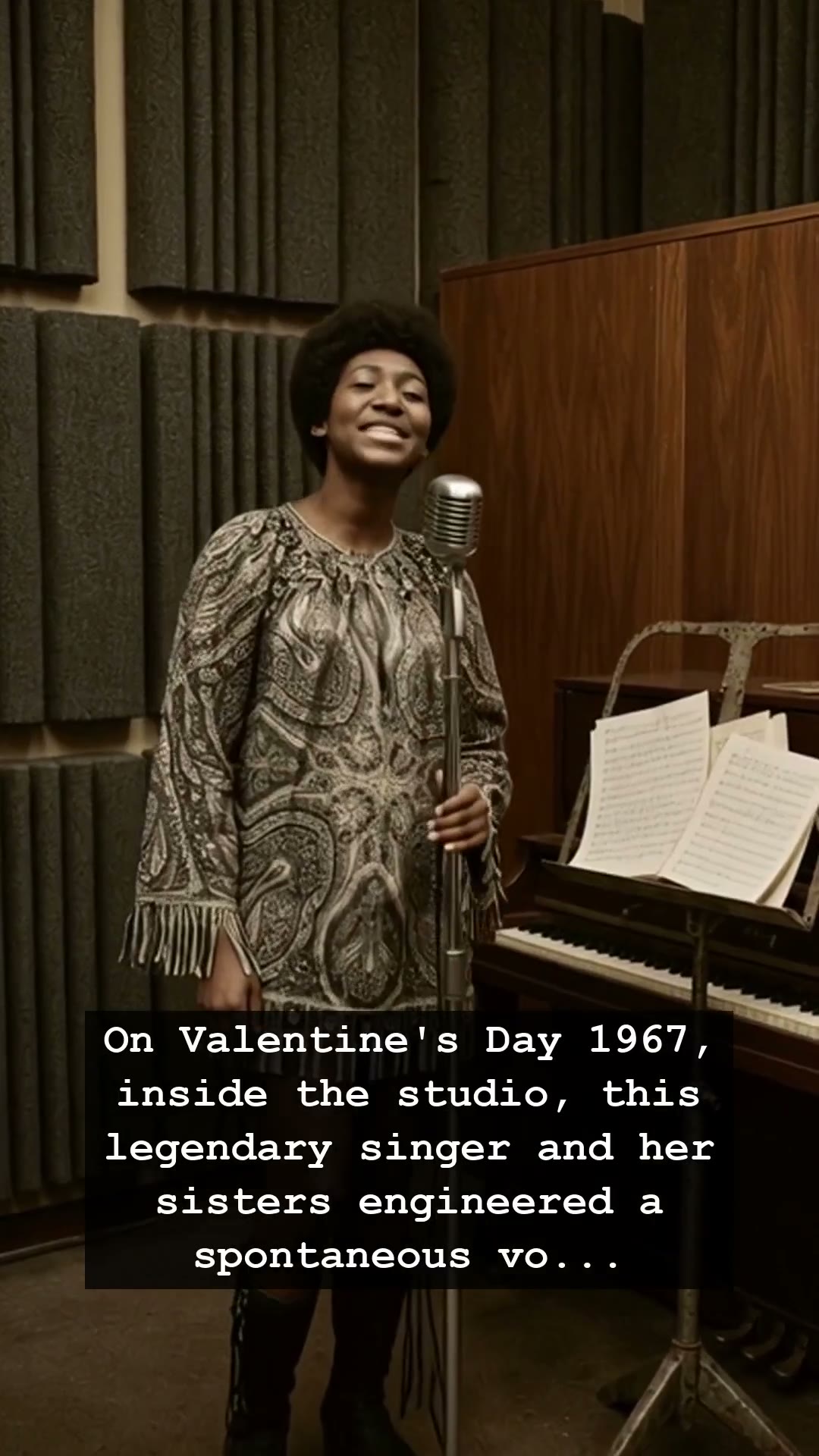
It was Valentine’s Day 1967, a date usually reserved for roses and romantic ballads, but inside Atlantic Studios, a different kind of alchemy was brewing. Aretha Franklin, the young powerhouse from Memphis, stood before a microphone, ready to redefine the sound of a generation. She was not alone; she was joined by her sisters, Carolyn and Erma, who provided the haunting, rhythmic backing vocals that would soon become the backbone of an anthem. In that humid, electric studio air, the three women spontaneously engineered a vocal spelling that turned a simple Otis Redding cover into a global force of nature. This was the moment the Queen of Soul claimed her crown, crafting a song that transcended the airwaves of the era.
To understand the magnitude of this recording, you have to transport yourself back to the landscape of 1967. The world was fracturing under the pressure of social change, and music was the primary medium for that tension. While the Jukeboxes across America were filled with the lighthearted melodies of pop, Aretha Franklin was capturing something much deeper. She wasn’t just singing; she was demanding recognition. By taking Redding’s plea for affection and flipping it into a defiant declaration of self-worth, she transformed the track into a rallying cry for the Civil Rights movement and a cornerstone for women everywhere. It was more than a record—it was a cultural reset.
What made that session so legendary was the raw, unpolished spontaneity. There were no synthesizers or digital corrections back then; just the pure, unfiltered grit of human voices hitting the tape. The sisters were improvising, finding the pockets of space between the brass section and the driving bassline. As Aretha Franklin belted out those iconic letters, the synergy was palpable. It felt less like a studio session and more like a spiritual intervention. They captured lightning in a bottle, proving that sometimes the greatest art is born from intuition rather than meticulously written scores.
For those of us who grew up with the static of transistor radios and the warmth of vinyl, the song remains a time machine. It carries the weight of a decade defined by both turmoil and immense creative bravery. Listening to the track today, you can still hear the sweat, the ambition, and the unspoken history of the Atlantic Studios basement. It serves as a reminder that before the polished sheen of the MTV era or the digital revolution, true soul required nothing more than an honest voice and a sisterhood that could command the world.
Decades later, the legacy of that Valentine’s Day session continues to resonate with a clarity that defies time. Aretha Franklin would go on to achieve unparalleled heights, but that specific moment in 1967 remains a masterclass in musical rebellion. It wasn’t just about spelling out a word; it was about defining the human condition. When you drop the needle on that record, you aren’t just listening to a song—you are hearing the exact moment the world finally learned how to spell respect.