
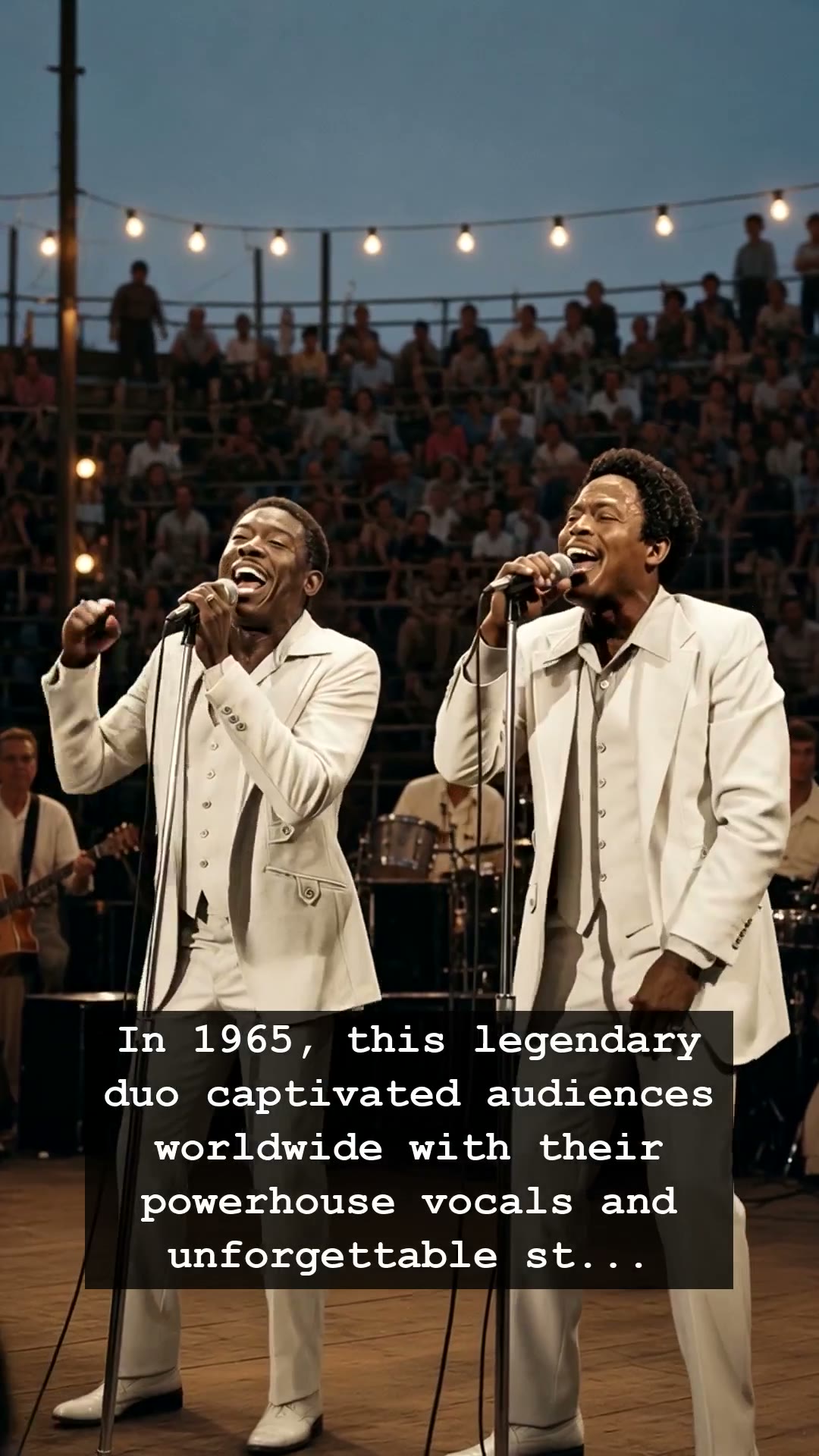
In 1965, the airwaves were not just filled with music; they were commanded by a sound so raw and haunting that it felt like a collective religious experience. When The Righteous Brothers released their definitive version of Unchained Melody, they did more than climb the charts; they shattered the polished veneer of mid-sixties pop. Bill Medley and Bobby Hatfield were not your typical clean-cut icons of the era. They were blue-eyed soul singers, two men from Southern California who possessed voices capable of paralyzing listeners in their tracks. While the rest of the world was transitioning toward the psychedelic rebellion of the late sixties, this duo remained anchored in a gospel-tinged intensity that felt centuries old.
The magic behind The Righteous Brothers was born from a friction that almost tore them apart before they even hit their peak. Their partnership was a volatile marriage of convenience and genuine musical alchemy. Medley, with his subterranean, rumbling baritone, provided the sturdy foundation, while Hatfield—the angel-voiced tenor—soared into registers that felt almost impossible to achieve. Behind the scenes, the genius of Phil Spector and his Wall of Sound production pushed them to the brink. Recording sessions were grueling, marathon events characterized by endless repetition and psychological pressure. Spector wanted perfection, and for The Righteous Brothers, that meant recording until their vocal cords were raw, bleeding, and trembling with the kind of authentic pain that studio polish simply could not fake.
There was a dark, brooding quality to their stardom that contrasted sharply with the glitter of the emerging disco era or the polished radio hits of the early sixties. While teens danced to the upbeat rhythms of the British Invasion, those who tuned into The Righteous Brothers felt the heavy weight of loneliness and longing. Their music echoed through the jukeboxes of dingy diners and the lonely bedrooms of teenagers who found solace in Hatfield’s crystalline falsetto. It was music for the broken-hearted, a soundtrack for those standing under the streetlights of a city that never felt quite bright enough.
The legacy of the duo is intrinsically linked to a specific, crumbling sense of 1965 romanticism. Their stage presence was magnetic yet strangely distant, as if they were performing from a place of profound solitude. Beneath the velvet suits and the perfectly coiffed hair lay the exhaustion of fame, the weight of substance abuse, and the constant, crushing demand to remain relevant in a rapidly evolving cultural landscape. They were the bridge between the doo-wop traditions of the past and the emotional intensity that would eventually define the arena rock giants of the seventies.
Today, decades after their golden age, the sound of The Righteous Brothers remains as potent as ever. Their music survives as a testament to the fact that true soul is not defined by skin color or geography, but by the ability to channel universal human agony into a melody that refuses to die. When you hear that opening piano chord today, you are not just hearing a track from 1965; you are hearing the ghosts of an era that dared to be vulnerable in a world that was already beginning to harden. Take a moment tonight, find a quiet space, and let the echoes of the past remind you of what it feels like to truly listen.