
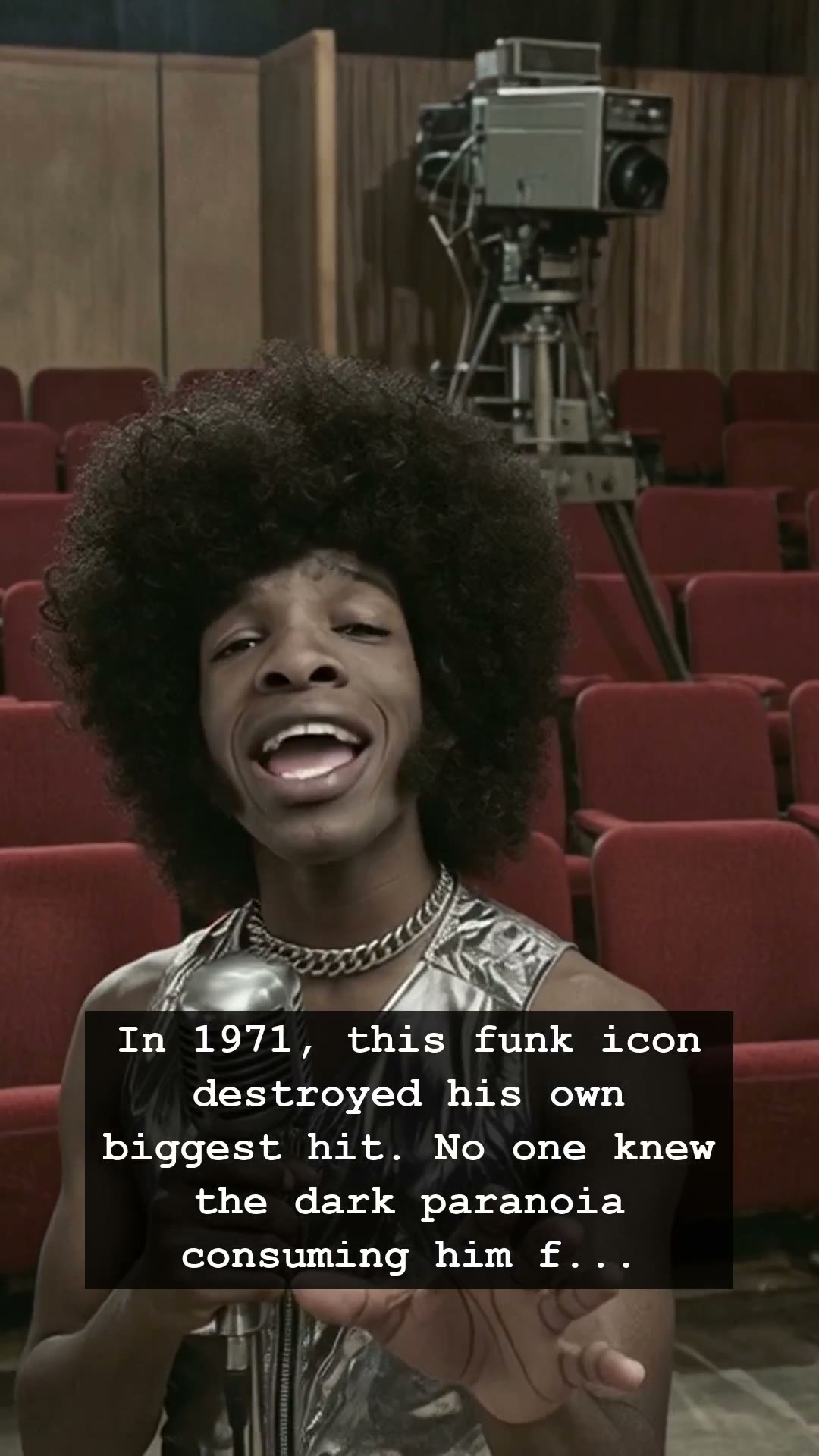
In the vibrant haze of 1971, while the world was still dancing to the optimistic, sunshine-soaked melodies of the late sixties, a shadow was creeping into the studio. Sly and the Family Stone, the visionaries who once bridged the gap between soul, rock, and psychedelia, were on the brink of an agonizing dissolution. At the center of this storm was Sly Stone himself, a musical genius whose inner world had become a claustrophobic fortress of paranoia and heavy addiction. It was during this period that the band performed their biggest hit, a song of unity and joy, and turned it into a haunting, unrecognizable dirge. To those listening through their crackling vinyl players, it felt like the dream of the Woodstock era was finally drawing its last, shuddering breath.
Sly and the Family Stone had defined an entire generation with their message of radical inclusion and rhythmic innovation. They were the stars of the festival circuit, the ones who made the world feel small and interconnected through the power of a bass line. Yet, the pressure of fame and the isolating nature of the industry began to take a toll. By the time they reached the recording sessions for the album There’s a Riot Goin’ On, the joyous funk that had characterized their early career was replaced by something far more cynical and muted. The vibrant colors of their early suits had faded into the grit of urban disillusionment, mirroring the shifting landscape of American culture at the time.
Behind the scenes, the story was far more harrowing than the radio edits suggested. Sly Stone was sinking into a deep state of withdrawal and distrust. He began keeping a loaded firearm near his mixing console, watching his bandmates with a gaze that suggested he was seeing enemies where there were once siblings in harmony. The communal energy that once propelled the group to glory had evaporated, replaced by a cold, industrial silence that permeated every track they touched. The funk had not disappeared; it had merely been twisted into a dark, experimental reflection of a crumbling personal life.
Watching the slow-motion collapse of Sly and the Family Stone serves as a stark reminder of the fragile human cost behind the music we adore. It is a cautionary tale of how the weight of expectation can crush even the brightest creative spirits. The raw, jagged tension captured on their later records remains a haunting testament to that specific historical moment—a time when the idealism of the flower-power generation collided violently with the harsh realities of the seventies.
Even today, the legacy of Sly and the Family Stone continues to resonate, not just for the hits that filled the jukeboxes of the era, but for the haunting truth found in their fall from grace. When you listen to those stripped-back, paranoid grooves today, you are hearing more than just notes on a page; you are hearing the sound of a legend grappling with the void. It is a reminder that the music we cherish most often carries the heaviest emotional weight, keeping these ghosts alive in our memories long after the final note has faded into the silence of the night.