
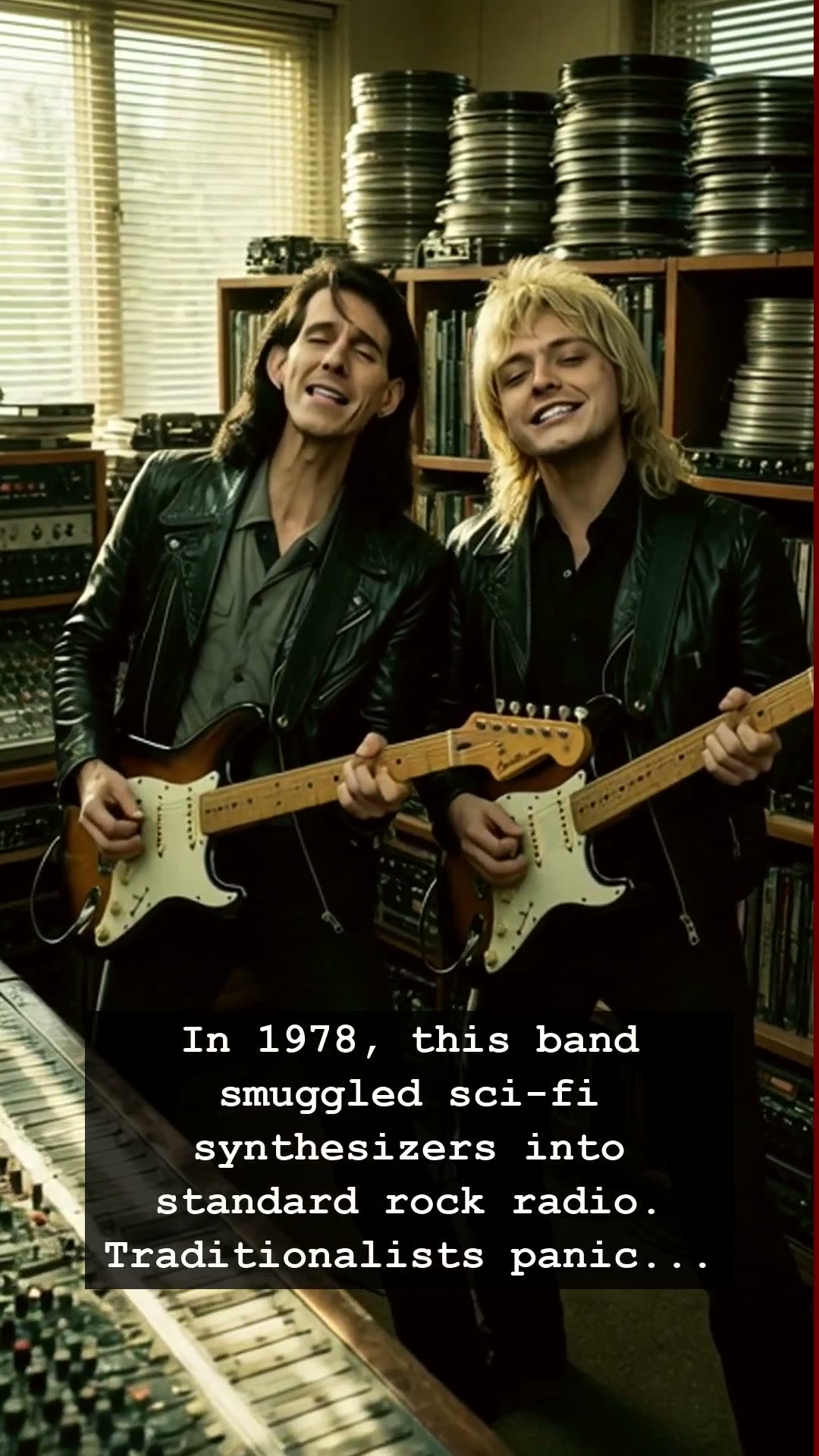
The year was 1978, and the airwaves were still firmly gripped by the gritty, blues-soaked traditions of classic rock. Then, like a transmission from a distant galaxy, a sleek, icy, and undeniably futuristic sound shattered the status quo. The Cars, a band that felt as mysterious as their name implied, smuggled jagged sci-fi synthesizers into the heart of traditional rock radio. To the purists of the era, it was an act of sonic sabotage. But to a generation desperate for something that matched the rapidly accelerating pace of the late seventies, it was the sound of the future arriving ahead of schedule.
Frontman Ric Ocasek was the architect of this strange, bleeding-edge aesthetic. He possessed a peculiar vision that bridged the gap between the raw energy of garage rock and the clinical, cold precision of the nascent new wave movement. When tracks like Just What I Needed hit the jukebox, they sounded like nothing else on the dial. The guitar riffs were crisp and jagged, but it was the underlying hum of the synthesizers—a technology then viewed with deep suspicion by rock traditionalists—that truly unnerved the establishment. They argued that keyboards had no place in the world of denim and leather, fearing that technology would strip rock music of its soul.
Yet, the audience disagreed. The Cars quickly became the unlikely architects of a new sonic landscape. This was a band that understood, perhaps better than anyone else, how to package alienation and irony into perfect, radio-friendly pop songs. They were the masters of the tension between human vulnerability and machine-like perfection. By the time the early eighties rolled around and the vivid, high-contrast world of MTV burst into living rooms across America, The Cars were already legends. Their music became the quintessential soundtrack for the birth of a new cultural era, perfectly capturing the detachment and slick sophistication that would define the next decade.
Behind the scenes, the story was just as fascinating as the music. The internal dynamics of the band were marked by a clinical professionalism that mirrored their output. While other rock stars of the late seventies were busy burning out in clouds of excess, The Cars operated with a calculated efficiency. They were never the band for backstage chaos; they were the band for the studio perfectionist. This discipline allowed them to craft records that sounded pristine, even when played through the humble speakers of a Walkman on a rainy commute. Their influence was immediate and profound, setting the stage for the synth-heavy pop dominance that would eventually sweep through the mid-eighties.
Looking back, the arrival of The Cars feels like a pivotal moment in the history of rock. They proved that innovation didn’t have to sacrifice accessibility. Today, when you listen to those iconic tracks, you can still hear the echo of a band that dared to change the radio station forever. Whether you first heard them through a hazy car speaker or discovered them later through the lens of music history, their impact remains as sharp and vital as ever. Does that cold, electronic pulse still sound like the future to you, or has it simply become the timeless heartbeat of your past?