
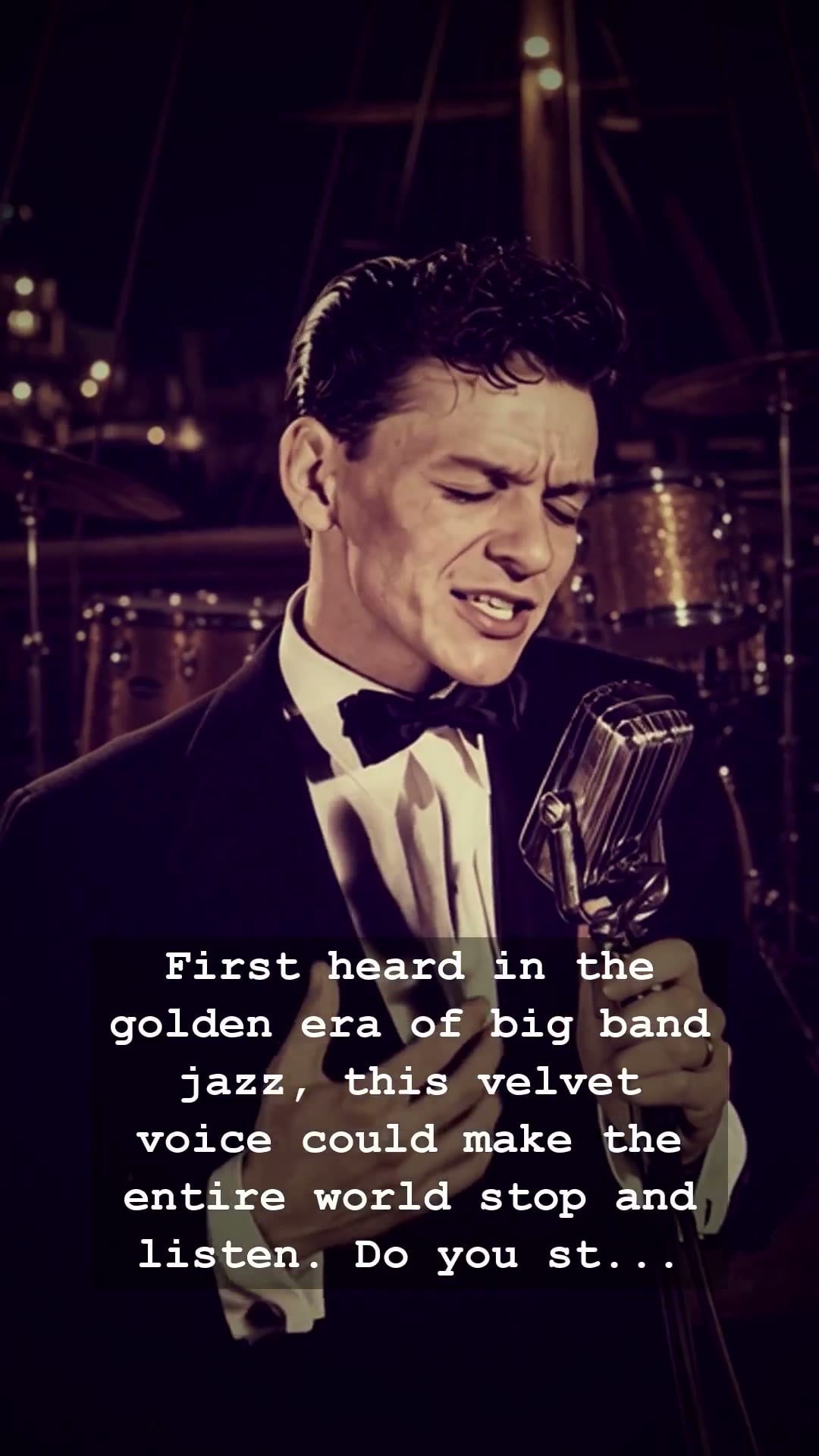
It started with a whisper in a smoke-filled room, a velvet voice that could silence a riot and make an entire generation swoon in the golden era of big band jazz. Long before the digital hum of streaming took over our lives, Frank Sinatra was the undisputed king of the airwaves, a man whose voice was the soundtrack to first kisses and heartbreak alike. But beneath that impeccably tailored tuxedo and the charm of a street-smart kid from Hoboken, a storm was brewing. The public knew the legend, but the shadows of mid-century America held a darker, more complex story that still haunts our cultural landscape today.
Frank Sinatra did not just sing; he commanded. In the 1940s and 50s, the arrival of his records on a home Jukebox was an event. His rise was meteoric, fueled by a relentless ambition that often blurred the lines between artistic genius and cutthroat survival. We remember the smooth delivery of Fly Me to the Moon, but do we remember the fragile psyche behind it? The pressure of fame in an era before the internet was a crushing weight, often leading stars toward the solace of the bottle and the volatile company of men who operated outside the law. Frank Sinatra existed at the intersection of high society and the gritty underworld, a reality that kept the press and the public perpetually on edge.
The drama was never far from the spotlight. Whether it was his tempestuous, headline-grabbing marriage to Ava Gardner—a love affair so volatile it defined the tabloids of the decade—or his constant friction with the moral guardians of the era, Frank Sinatra lived life at full throttle. He was the prototype for the modern superstar, the first to experience the absolute madness of mass adoration and the crushing loneliness that follows. He navigated a world of studio executives and late-night casino spotlights, where one wrong move could end a career in an instant, yet he always seemed to rise from the ashes with a new hit record in his pocket.
What makes his legacy so enduring is that raw, human vulnerability hidden beneath the polish. When you listen to a crackling vinyl copy of his work today, you are hearing the echo of a man who fought his own demons in real-time. He was human, flawed, and occasionally dangerous, which is exactly why he remains the definitive icon of 20th-century American music. He wasn’t just performing songs; he was documenting the struggle of finding beauty in a world that was rapidly changing from the jazz clubs of the post-war boom to the glitz of the Vegas strip.
As the world moved on toward the electric pulses of the synth-pop era and beyond, the shadow cast by Frank Sinatra never faded. He reminds us of a time when music felt dangerous, personal, and undeniably grand. So, the next time you hear that unmistakable, silky tone drift from the speakers, take a moment to look past the velvet voice. You are hearing the heartbeat of a bygone era. Do you still remember how it felt to let the music truly speak to your soul?