
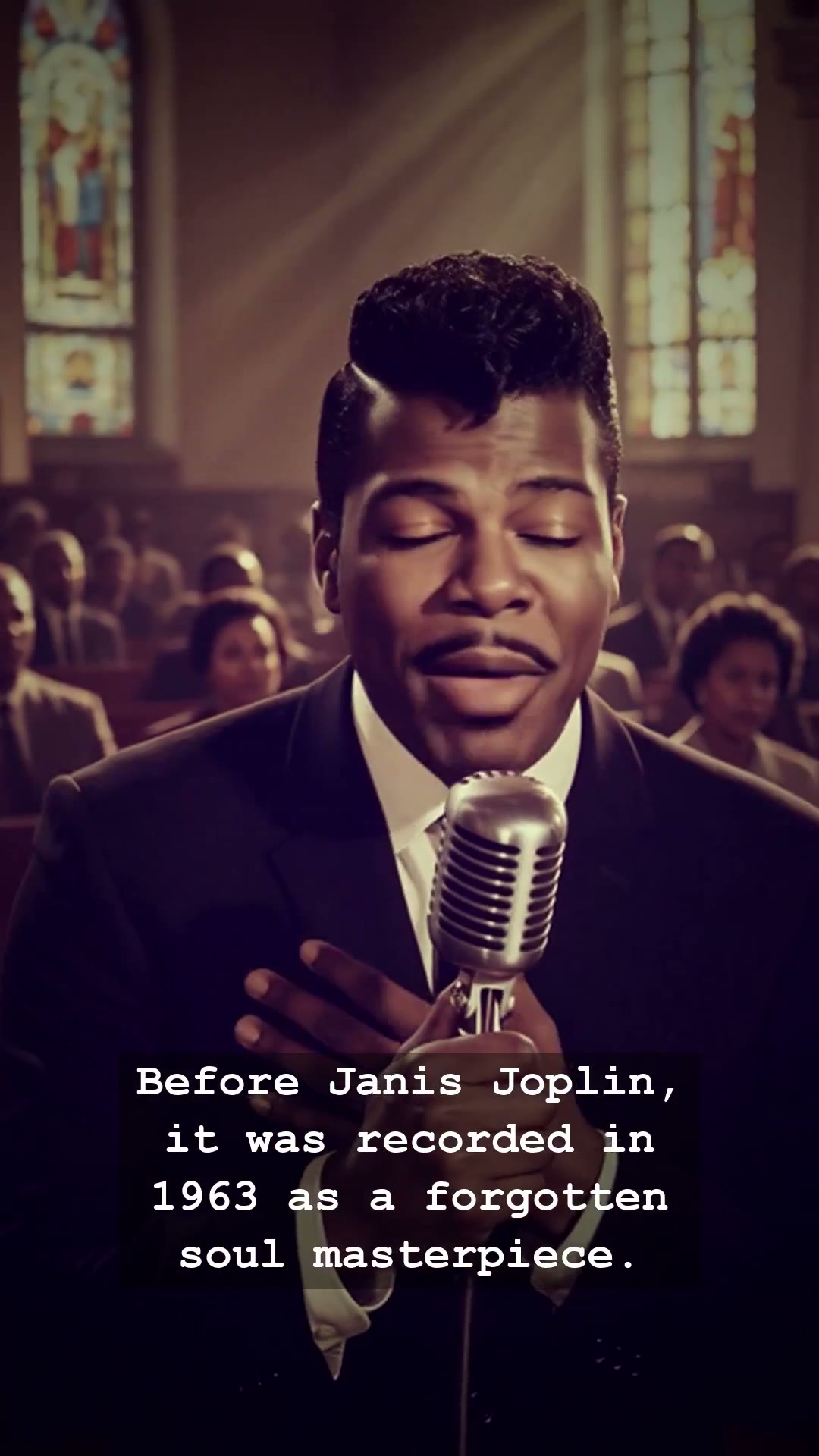
Most music historians look toward the jagged, visceral screams of Janis Joplin when they think of the soul-shattering anthem Cry Baby. Yet, before that blues-rock transformation hit the airwaves, there was a quiet, haunting masterpiece born in 1963. It was a time when the Jukebox reigned supreme in smoky corners, and the raw, unpolished energy of rhythm and blues was the heartbeat of American culture. The man behind the original vocal ache was none other than Garnet Mimms, a singer whose influence drifted through the decades like a ghost in the machine of rock and roll history.
In 1963, Garnet Mimms stepped into the studio with the Enchanters to record a track that would become a blueprint for emotional intensity. While the world remembers the psychedelic 1960s for its shimmering experimentation, this specific recording was pure, unadulterated grit. Garnet Mimms possessed a voice that didn’t just sing; it pleaded. It captured the exact moment a heart fractures, a sound so authentic that it bypassed the radio-friendly gloss of the era and dove straight into the listener’s soul. It was a performance that defined the R&B landscape, long before the industry knew how to market such raw vulnerability to the masses.
The tragedy of musical history is how often the innovators are eclipsed by the icons they helped build. While Janis Joplin eventually turned the song into a stadium-filling spectacle of rock, it was the original version by Garnet Mimms that carved out the emotional topography of the track. When you listen to his delivery, you aren’t just hearing a song; you are hearing the tension of a man navigating the isolation of early soul music. He brought a gospel-infused urgency to the melody that made every note feel like a desperate prayer, an art form that would later define the Golden Age of Soul.
Many fans of 1960s music often overlook the lineage of these classics, forgetting that behind every hit is an earlier iteration that bled to create it. Garnet Mimms remained a titan of the genre, even if his name didn’t command the same household recognition as those who followed in his footsteps. His career spanned an era of immense change, moving from the intimate clubs of the early sixties to the evolving sounds of the late seventies. Yet, that 1963 recording remains his most enduring legacy, a testament to a time when recording studios were hallowed ground for vocalists who could turn a single verse into a lifetime of heartbreak.
Today, we look back at the era of vinyl and analog tape with a sense of reverence, understanding that the music of our past is the foundation of our identity. Garnet Mimms was not just a singer; he was a bridge between the gospel traditions and the modern soul movement. His voice reminds us that the pain in a melody is universal, surviving the transition from 45s to digital archives. Next time you find yourself listening to a classic, take a moment to look for the origin, for the man who sang it first, and let the echoes of his haunting, forgotten masterpiece remind you of where the rhythm truly began.