
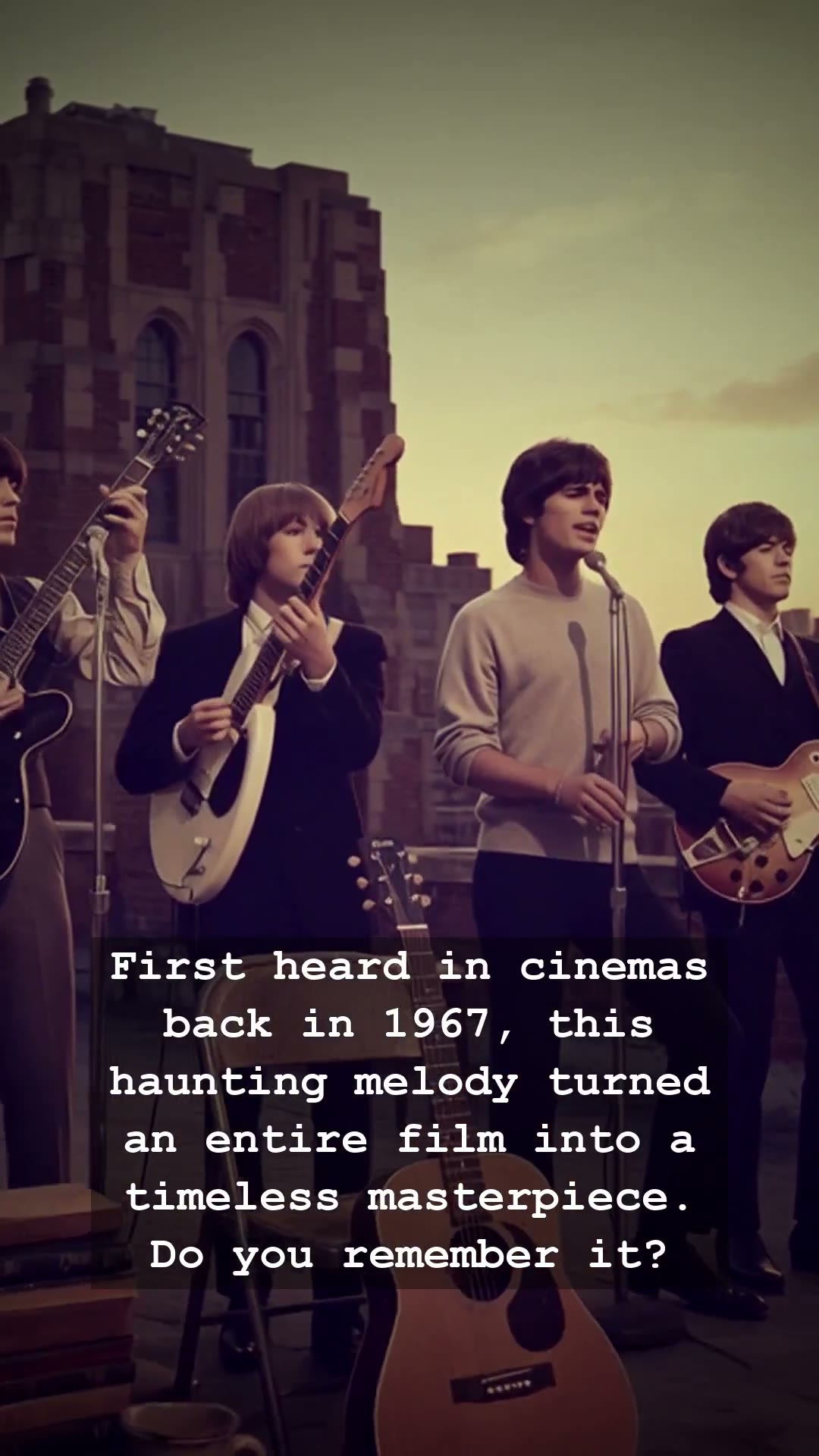
It started as a quiet whisper in a darkened theater in 1967, but by the time the credits rolled, it had become the anthem of a lost generation. When the haunting opening notes of The Sound of Silence echoed through the cinema for The Graduate, the world of music shifted forever. Paul Simon and Art Garfunkel, two unlikely icons from Queens, New York, managed to capture the exact frequency of American restlessness. For a generation caught between the fading innocence of the early sixties and the turbulent social upheaval on the horizon, this song was more than just a melody; it was a mirror reflecting their deepest anxieties and the profound isolation of modern life.
Behind the seamless harmonies of Simon and Garfunkel lay a narrative of perfectionism and subtle artistic friction. Paul Simon, the architect of the duo’s lyrical depth, and Art Garfunkel, the golden-voiced dreamer, shared a bond that was as volatile as it was beautiful. Their rise was not a straight line to the top. When The Sound of Silence was first released as an acoustic track, it sank without a trace. It was only after a producer secretly added electric guitars and drums—without the duo’s permission—that the song surged to the top of the charts. This act of creative betrayal became a permanent scar in their partnership, a tension that would color their work for the next decade until their eventual fracture.
Yet, the magic they created was undeniable. Throughout the late sixties, the duo became synonymous with the cultural shift toward introspection. While their peers were experimenting with the psychedelic haze of the West Coast, Simon and Garfunkel were busy crafting intricate, folk-infused poetry that demanded the listener pay attention. Their music was the soundtrack of the transistor radio era, perfectly suited for the portable intimacy of the Walkman that would follow years later. To listen to them is to walk through the streets of New York, feeling the weight of the city while seeking a human connection in the neon shadows.
There is a specific, melancholy brilliance in how they blended their voices. Art Garfunkel’s ethereal tenor provided the light, while Paul Simon’s gritty, observant baritone provided the earth. This combination allowed them to document the era with unmatched precision. From the folk revival clubs to the pinnacle of commercial success, they navigated the darkness of fame with a grace that often masked their personal disconnect. The tragedy of Simon and Garfunkel is precisely what makes them immortal: two men who could create absolute harmony on a track while struggling to find common ground in their daily lives.
Today, the legacy of their music remains etched into the cultural subconscious. Whether you are revisiting their vinyl collection or hearing their songs in a film decades later, the emotional resonance is immediate. They transformed the sound of silence into a language we all understand. Do you remember the first time those harmonies hit you? Even now, their work stands as a testament to the power of a song to freeze a moment in time, keeping the ghosts of our collective youth alive forever.