
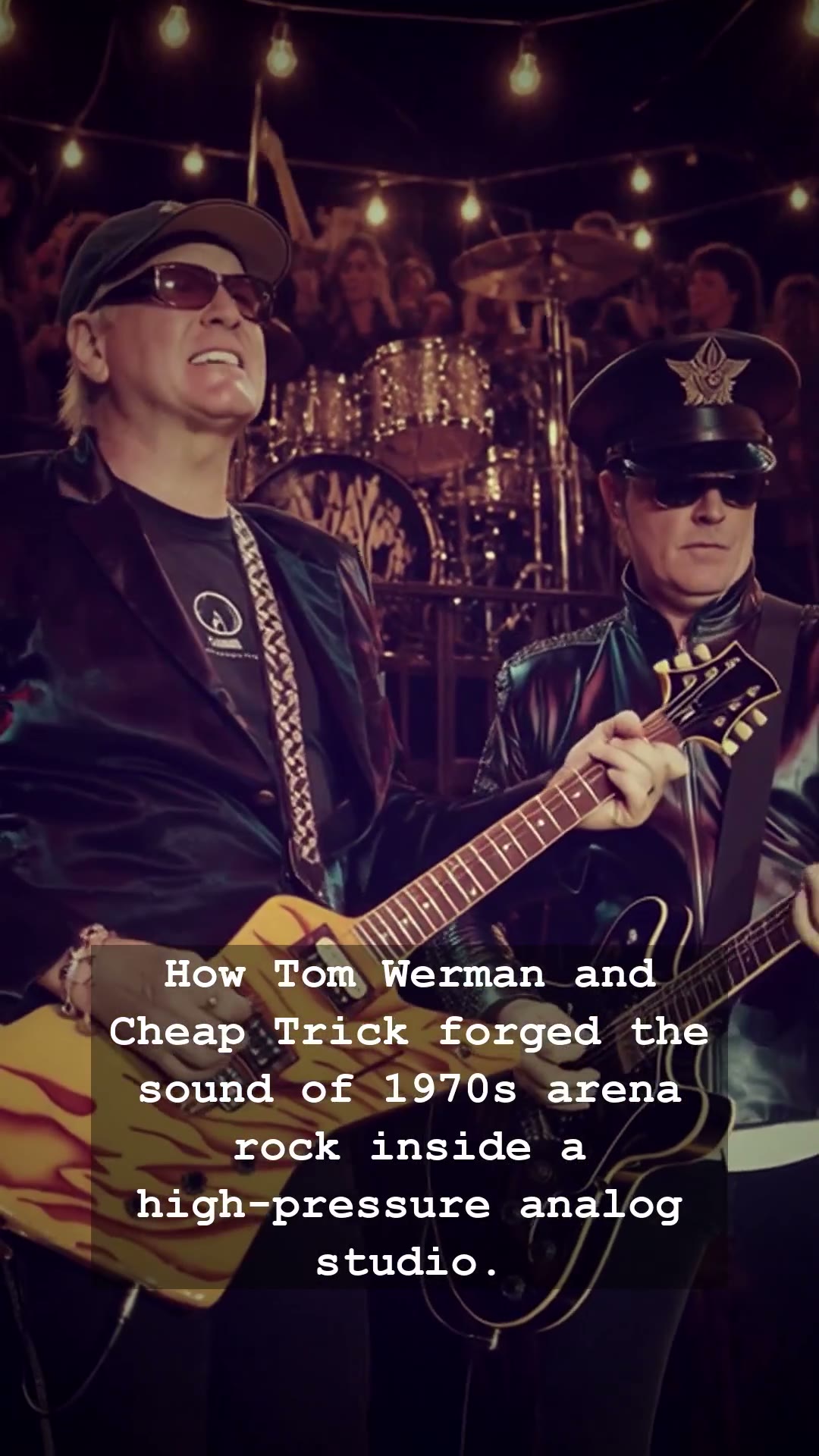
The year was 1978. While the airwaves were being saturated with the polished, shimmering sheen of late-seventies disco, something far more volatile was bubbling beneath the surface of the music industry. Inside a cramped, high-pressure analog studio, producer Tom Werman was orchestrating a sonic collision that would change the trajectory of hard rock forever. He wasn’t just capturing a performance; he was harnessing the raw, electric thunder of a band that felt like a secret weapon—Cheap Trick. The result was a sound that didn’t just fill a room; it shattered the silence of a generation.
Tom Werman, already a titan of the studio, understood that Cheap Trick possessed a unique, jagged edge that most radio-friendly acts lacked. The band, hailing from the American heartland, brought a chaotic blend of Beatles-esque melodies and aggressive punk-adjacent grit. When they sat down to record the tracks that would define their legacy, the atmosphere was thick with creative friction. Werman pushed the members to their absolute limits, demanding a precision that bordered on obsession. He knew that to translate the visceral energy of an arena crowd into a studio recording, he had to squeeze every ounce of unfiltered power from the analog tape.
Every chord strummed during those sessions was a testament to the sweat and tension of the era. The studio was a pressure cooker where egos collided with artistic ambition, but Tom Werman acted as the catalyst, turning that friction into gold. He encouraged the band to embrace their idiosyncrasies, ensuring the final mix retained that dangerous, unpolished spirit that characterized true arena rock. It was a time before digital perfection, when the quality of a song was measured by how hard the speakers groaned under the weight of the guitar riffs.
This specific era—the golden age of the jukebox and the burgeoning power of MTV—required music that felt larger than life. Cheap Trick delivered exactly that. Their collaboration with Tom Werman produced anthems that felt like communal experiences, songs that could unite thousands of teenagers in stadium bleachers under a singular, thunderous rhythm. Looking back, it is clear that Werman captured lightning in a bottle. He understood that the secret to a timeless rock anthem wasn’t just technical perfection; it was the ability to convey a sense of genuine, human intensity.
Today, that sound still hits with the same unfiltered force it had over four decades ago. Whether you first heard it on a worn-out cassette in a muscle car or through a pair of vintage headphones, the fingerprints of Tom Werman are all over those tracks, guiding the controlled chaos. It serves as a haunting, beautiful reminder of a time when rock and roll was a dangerous, living, breathing beast. As the needles drop on those classic vinyl records, the spirit of that 1978 studio session comes roaring back to life, reminding us why we still crave the raw, electrifying soul of the arena rock gods.