
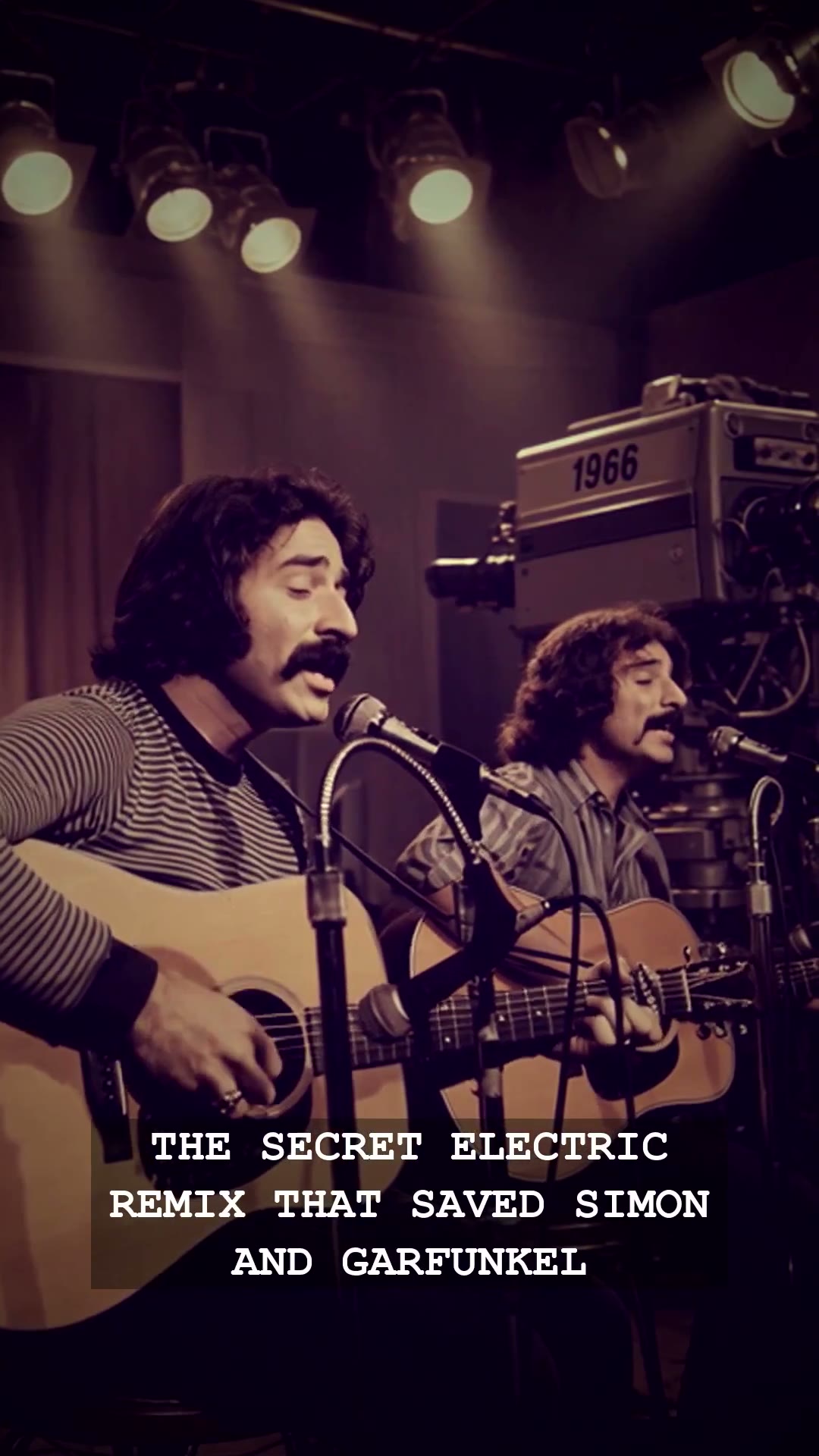
In 1965, the airwaves were crowded with the sounds of the British Invasion, and a quiet, acoustic folk duo known as Simon and Garfunkel was sinking fast. Their debut album, Wednesday Morning, 3 A.M., had hit the shelves with the impact of a falling leaf. It was a commercial disaster that left the pair feeling like relics of a bygone era before they had even truly begun. Paul Simon, disillusioned and convinced that the music industry had no room for their delicate harmonies, packed his bags and fled to England. He was ready to trade his guitar for a life of anonymity, believing the dream of musical success had officially died.
Little did Paul Simon know, a silent revolution was brewing back in the cramped corridors of Columbia Records. Tom Wilson, the visionary producer who had seen the raw potential in their track The Sound of Silence, decided to take a gamble that would alter the trajectory of rock history. Without telling a soul—and certainly without informing the artists—Wilson brought in a team of session musicians. He secretly plugged in electric guitars, added a pulsing bass line, and layered a modern drum beat over the original, haunting acoustic recording. It was a bold act of defiance against the purity of the folk movement, turning a meditative folk poem into a driving, electrified anthem.
When the remix hit the radio, the effect was seismic. Suddenly, listeners were hearing a sound that felt both ancient and urgent, a perfect bridge between the folk traditions of the past and the burgeoning rock consciousness of the mid-sixties. The song climbed the charts with a ferocity that defied all logic, catching Simon and Garfunkel completely off guard. They were no longer just two voices lost in a sea of coffeehouse poets; they were bona fide pop stars. The electric remix didn’t just save their careers; it birthed one of the most successful duos in American history, transforming the sound of the era almost overnight.
This clandestine transformation remains one of the most fascinating ‘what if’ moments in the history of music. Imagine a world where that track remained a quiet, forgotten folk failure, buried in a bargain bin alongside thousands of other records. The tension between Paul Simon’s folk sensibilities and the aggressive, electric production was a microcosm of the conflict defining the sixties—a decade torn between the comfort of tradition and the wild, chaotic lure of the new. The success of the song validated the idea that music is not a static object, but a living, breathing entity that can be reinvented by the right spark of creative intuition.
Today, we look back at the partnership of Simon and Garfunkel as a gold standard for songwriting, but we often forget how fragile their legacy truly was. Their story is a reminder that even the greatest icons are one bad sales report away from disappearing into the shadows. The next time you find yourself lost in the reverb-drenched perfection of those early records, remember the clandestine producer and the secret studio sessions that rescued a masterpiece from the brink of silence. It is a testament to the fact that sometimes, all a masterpiece needs is a little bit of electricity to find its voice.