
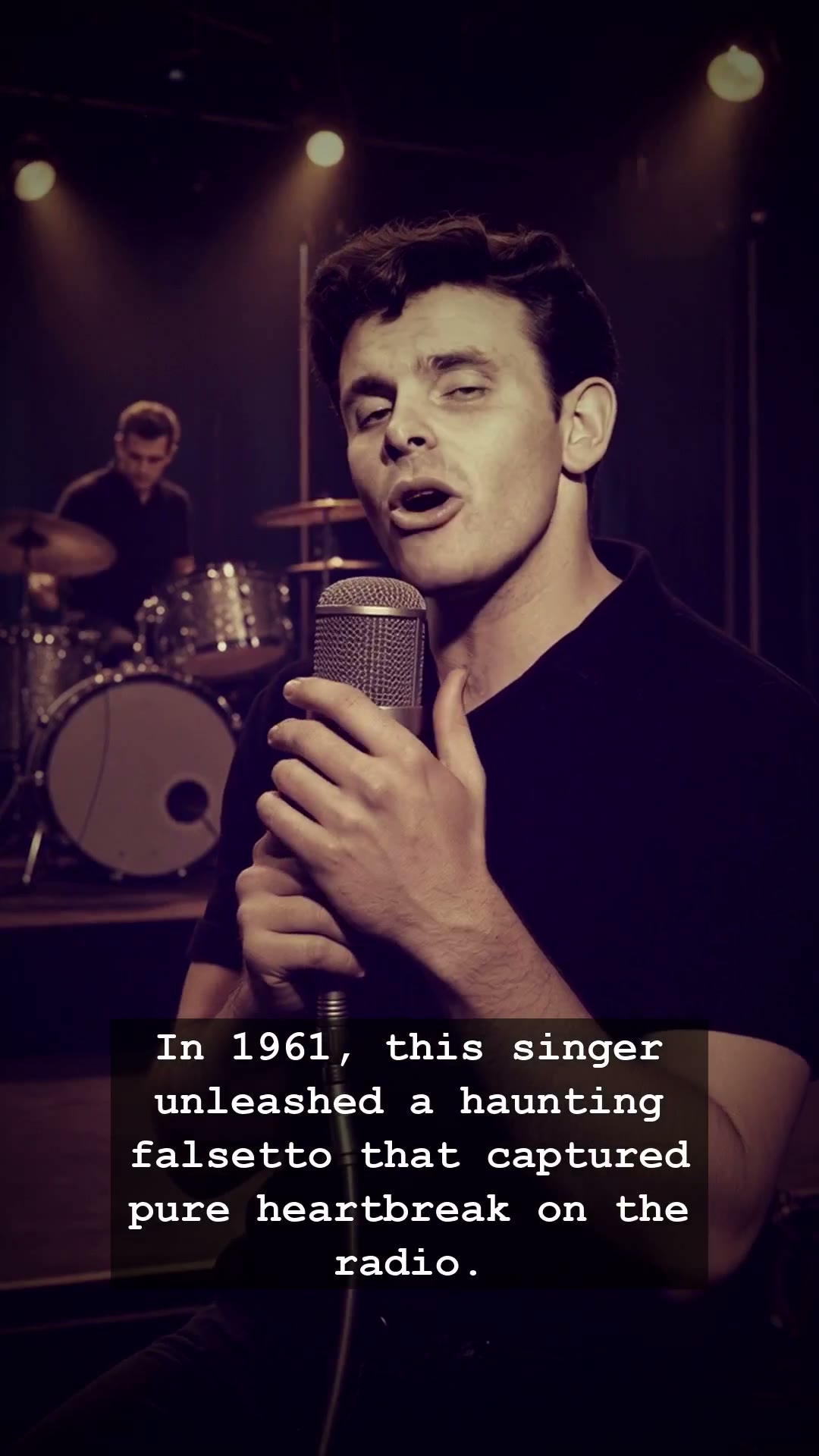
In the spring of 1961, the radio airwaves were saturated with polished pop melodies and polite crooners, but then came a sound that felt like a jagged edge cutting through the calm. It was a haunting, desperate falsetto that seemed to emanate from a place of pure, unadulterated agony. That voice belonged to Del Shannon, a man who, with a single song, changed the trajectory of rock and roll. The song was Runaway, a masterpiece of tension that almost never saw the light of day because industry executives thought the vocal highs were far too strange for the standard jukebox rotation. Yet, when it finally hit the airwaves, it captured the restless spirit of a generation, becoming the defining heartbreak anthem of the early sixties.
Del Shannon was not your typical polished star of the era. Born Charles Weedon Westover in Michigan, he brought a blue-collar grit to the recording studio. Before the world knew his name, he was playing local clubs, honing a sound that leaned into the melancholic side of the jukebox culture. When he walked into the studio with the skeletal idea for Runaway, he had no idea he was about to unleash a sonic experiment. The signature bridge, featuring that eerie, sweeping sound generated by a Musitron—a modified clavioline—created an atmosphere of cold isolation that perfectly mirrored the lyrical pain of a man chasing a shadow.
Behind the scenes, the atmosphere was thick with creative friction. Producers were wary of the unconventional structure and the sudden shifts in vocal pitch. They wanted something safer, something that fit the mold of the burgeoning pop scene, but Del Shannon stood his ground. He insisted that the falsetto was the soul of the track, a primal scream of abandonment that would resonate with any teenager sitting in their car, staring out at a rainy street corner. It was a gamble that paid off, as Runaway rocketed to the top of the Billboard Hot 100, proving that vulnerability could be just as powerful as polished commercial appeal.
The success of Del Shannon in 1961 marked a turning point where artists began to push the boundaries of what a pop song could express. It was an era before the heavy cynicism of the later decades, yet the darkness within the track foreshadowed the introspective songwriting that would dominate the late sixties and the psychedelic rock era. For those of us who grew up with the static of AM radio, Del Shannon represents a specific kind of American tragedy—a man who gave us the soundtrack to our loneliest moments while struggling to maintain his own footing in the unforgiving machinery of the music industry.
Today, decades later, Runaway still sounds like a ghost haunting a suburban bedroom. It remains a testament to the raw, visceral power of mid-century music. Del Shannon may have left the stage long ago, but every time that keyboard bridge swells and the falsetto hits its peak, we are all transported back to 1961, feeling the weight of that same heartbreak as if it were our own. It is a reminder that the most enduring music is often the kind that refuses to play by the rules, daring to sound a little broken in a world that demands perfection.