
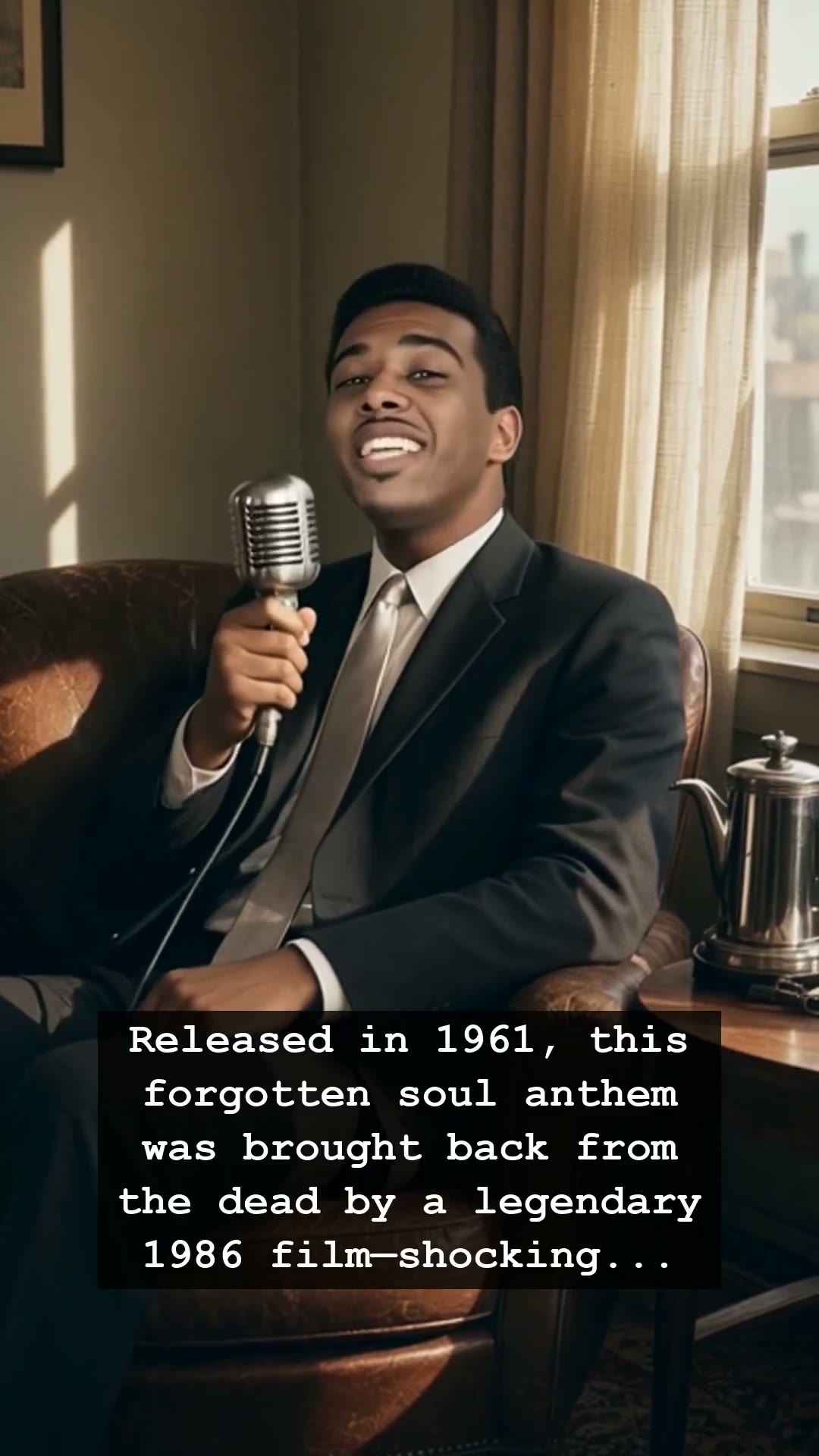
Imagine a cold, dimly lit recording booth in 1961. The air is thick with the scent of cheap cigars and ambition. A young man named Ben E. King stands before the microphone, his voice trembling with a soulful vulnerability that would soon define an entire generation. He is about to record a song that feels less like a track and more like a prayer, a haunting melody that would eventually echo through the jukeboxes of every roadside diner in America. Yet, despite its raw brilliance, the song spent years gathering dust in the archives of history, nearly fading away entirely as the musical landscape shifted toward the psychedelic haze of the late sixties.
For two decades, Ben E. King remained a respected name among soul connoisseurs, but the mainstream spotlight had long since moved on. Then came 1986. The world had changed; we were now living in the era of neon lights, MTV, and the revolutionary Walkman. Rob Reiner’s film adaptation of Stephen King’s Stand By Me arrived in theaters, and with it, the song that shared its title was pulled from the shadows. As the film’s credits rolled to the familiar, melancholic bassline of the original 1961 track, a new generation of listeners was struck by an inexplicable sense of longing. It was as if a ghost had walked into the room, demanding to be heard once more.
The resurrection was nothing short of miraculous. Decades after its initial release, the anthem climbed back into the Billboard Top 10, proving that true artistry possesses a timeless quality that ignores the fickle nature of pop trends. It was a rare moment where cinema acted as a bridge, connecting the gritty, soulful roots of the early sixties to the burgeoning anxieties of the eighties. Ben E. King was suddenly a superstar again, but it wasn’t the artificial glitz of the disco era that propelled him; it was the sheer, unadulterated honesty of his performance that resonated with everyone from weary Baby Boomers to angst-filled teenagers.
Behind this success lies the darker reality of the industry. The mid-century recording process was grueling, often stripping artists of their creative autonomy, yet Ben E. King managed to infuse every note with a deeply personal grief and hope that no studio executive could replicate. The success of the film provided a second act, but it also highlighted how easily classics are forgotten in the relentless churn of mass media. It remains a stark reminder that beneath the polished veneer of radio hits, there is a graveyard of brilliant music waiting for the right moment to be exhumed.
Today, the song stands as a monolith of soul music, a testament to the fact that music is not just sound—it is a vessel for collective memory. Whether you heard it first on a crackling vinyl record or through the lens of eighties cinema, the impact remains the same. As the final notes fade, we are reminded that some voices never truly go silent. So, the next time you find yourself turning up the radio, take a moment to listen for the ghost of the past, because Ben E. King is still waiting right there by your side.