
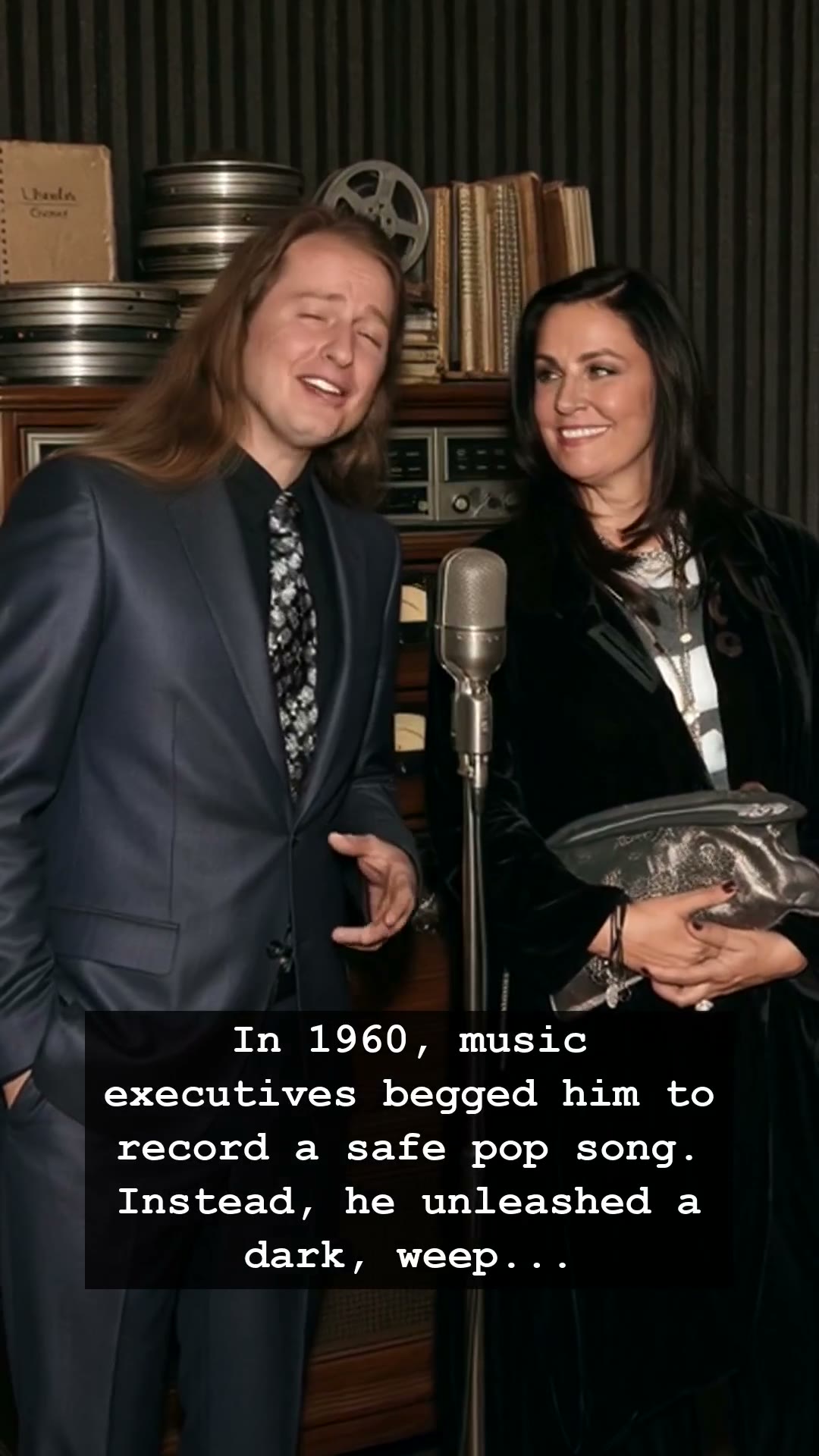
In 1960, the airwaves were crowded with saccharine, upbeat pop tunes designed to make teenagers dance and music executives count their coins. It was a safe era for the jukebox, where the formula for a hit was as predictable as the sunrise. But behind the scenes in Nashville, a man with dark sunglasses and a voice that could crack a heart in two was preparing to tear that formula apart. Roy Orbison was not interested in being safe. While the establishment begged for cheerful, radio-friendly fluff, Roy Orbison channeled his own profound grief and isolation into a haunting, orchestral epic that defied every convention of the time.
That song was Only the Lonely. It began with a sorrowful drum beat, followed by a vocal performance that shifted from a whisper to a soaring, operatic cry of anguish. When he first presented the demo, industry insiders were baffled. They thought it was too slow, too dark, and far too dramatic for the pop charts. In an age dominated by high-energy rock and roll, here was a ballad that felt like a funeral march for lost love. Yet, Roy Orbison knew something they didn’t. He understood that beneath the polished veneer of American prosperity, there was a deep well of melancholy that listeners were starving to hear expressed.
Roy Orbison had experienced his fair share of tragedy, and his voice was the primary vessel for that pain. His delivery wasn’t just a performance; it was a confession. The song climbed the charts with a haunting momentum that terrified the Nashville establishment, proving that authenticity could outlast a manufactured trend. By stepping away from the upbeat, danceable tracks of the era, he created a bridge between the rockabilly spirit of the fifties and the introspective, emotional songwriting that would define later decades. He essentially invented the emotional power ballad long before the term became a corporate staple.
There is a ghostly, cinematic quality to Roy Orbison and his legacy. Whether you were hearing him on a crackling transistor radio or later through the crisp clarity of a Walkman, his presence remained constant—enigmatic, cool, and perpetually shrouded in mystery. He stood as a lone wolf in the industry, rarely relying on the flashy stage theatrics of his peers. Instead, he simply stood still, closed his eyes, and unleashed a sound that seemed to transcend the physical studio, reaching into the very soul of the listener.
Even today, the echo of that voice carries a weight that modern music often struggles to replicate. It remains a masterclass in tension and release, a reminder of a time when songs were built on raw human experience rather than algorithms. Roy Orbison taught us that sadness, when sung with enough conviction, becomes a universal language. As the shadows lengthen on the golden age of American music, his legend only grows sharper. If you listen closely, you can still feel the ache of that 1960s masterpiece, proving that some voices are simply built to echo through eternity.