
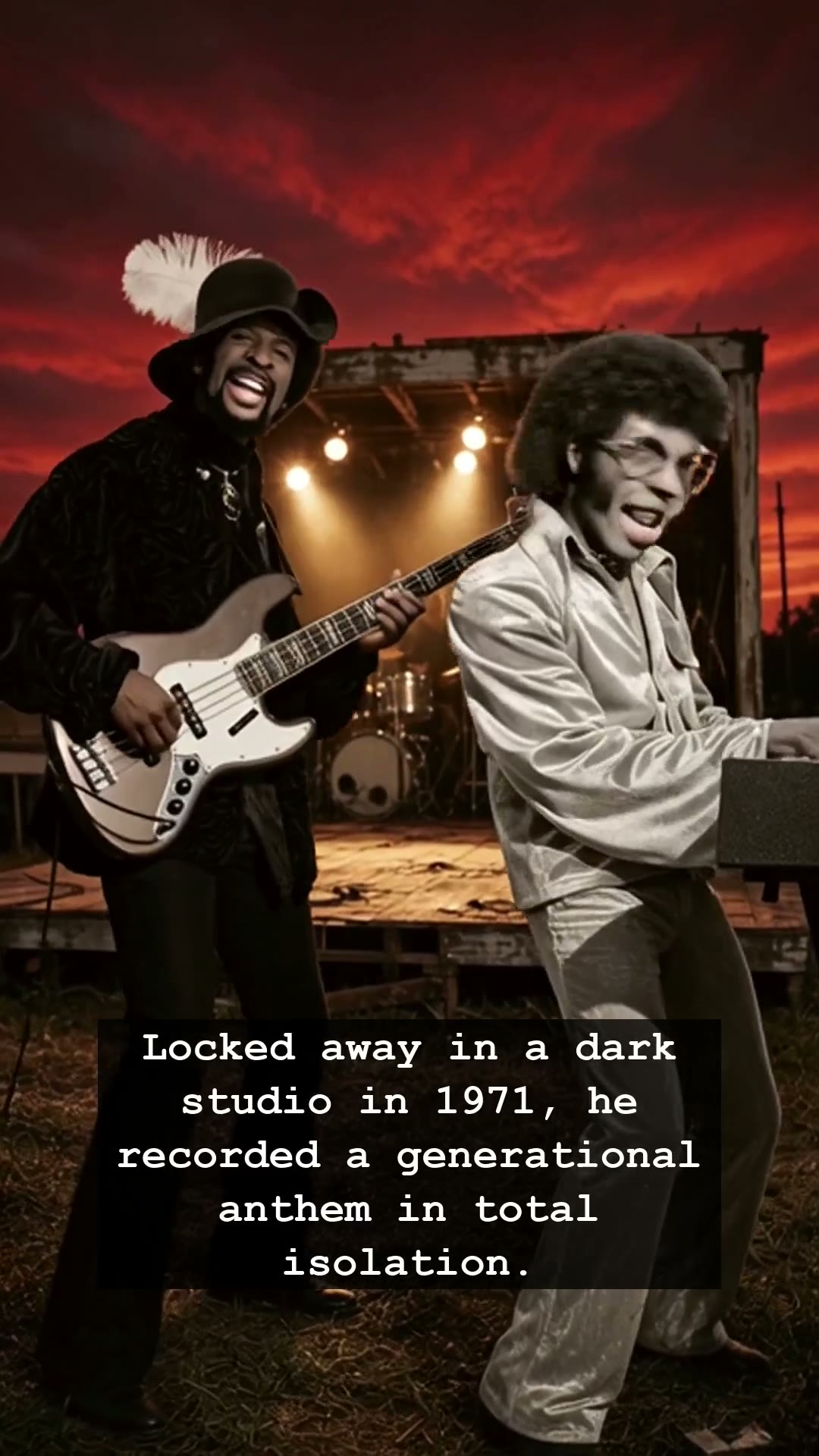
In the sweltering heat of 1971, while the rest of the world was dancing to the carefree rhythms of radio hits, a genius was retreating into the shadows. Sly Stone, the visionary leader of Sly and the Family Stone, found himself locked away in a dark studio, physically and mentally detached from his bandmates. He was not looking for a collaborator; he was looking for a way to translate the burgeoning paranoia of his own mind into sound. Behind those closed doors, he began a grueling, solitary process that would eventually give birth to There’s a Riot Goin’ On, a record that remains one of the most hauntingly influential albums in the history of soul and funk.
The studio became a tomb of obsession. Driven by a descent into substance abuse and an intense distrust of those closest to him, Sly Stone made a radical decision: he would play every instrument himself. He layered drum machines, distorted basslines, and his own weary vocals until the tapes were saturated with a thick, murky atmosphere. This was a departure from the vibrant, communal energy that had defined his earlier work at Woodstock. Here, there was no sunshine or optimism. Instead, there was a stark, rhythmic tension that perfectly mirrored the disillusionment of the post-sixties American landscape. He was capturing the sound of a dream dying in real-time.
To listen to this music today is to step back into a world of flickering neon and cold, hard reality. The genius of Sly Stone during this period lay in his ability to create something that felt both deeply personal and culturally prophetic. While his contemporaries were busy chasing the commercial heights of the era, he was dismantling his own legend piece by piece. The isolation he endured wasn’t just a byproduct of his lifestyle; it was a necessary crucible for the art he produced. The resulting tracks felt like whispered confessions transmitted through a haze of smoke and static, far removed from the pristine pop sensibilities of the early seventies.
What makes this chapter in music history so compelling is the sheer rawness of the transformation. Sly Stone went from the charismatic architect of psychedelic soul to a recluse navigating his own inner demons. Yet, amidst the chaos and the dark, claustrophobic recording sessions, he managed to craft an anthem for the disillusioned generation. The music resonates today because it refuses to lie to the listener. It is uncomfortable, flawed, and profoundly honest, proving that sometimes the greatest art is forged in the most isolating of conditions.
Even decades later, the shadow of that studio session looms large over the evolution of modern R&B and hip-hop. Sly Stone showed the world that you could strip away the gloss and still reach the soul of a nation. As the tape reels spun in the darkness, he wasn’t just recording songs; he was documenting the fragility of fame and the weight of artistic expectation. It remains a stark reminder that even our most beloved icons are human, and sometimes, the music they leave behind is just a fragment of the battle they fought within themselves.