
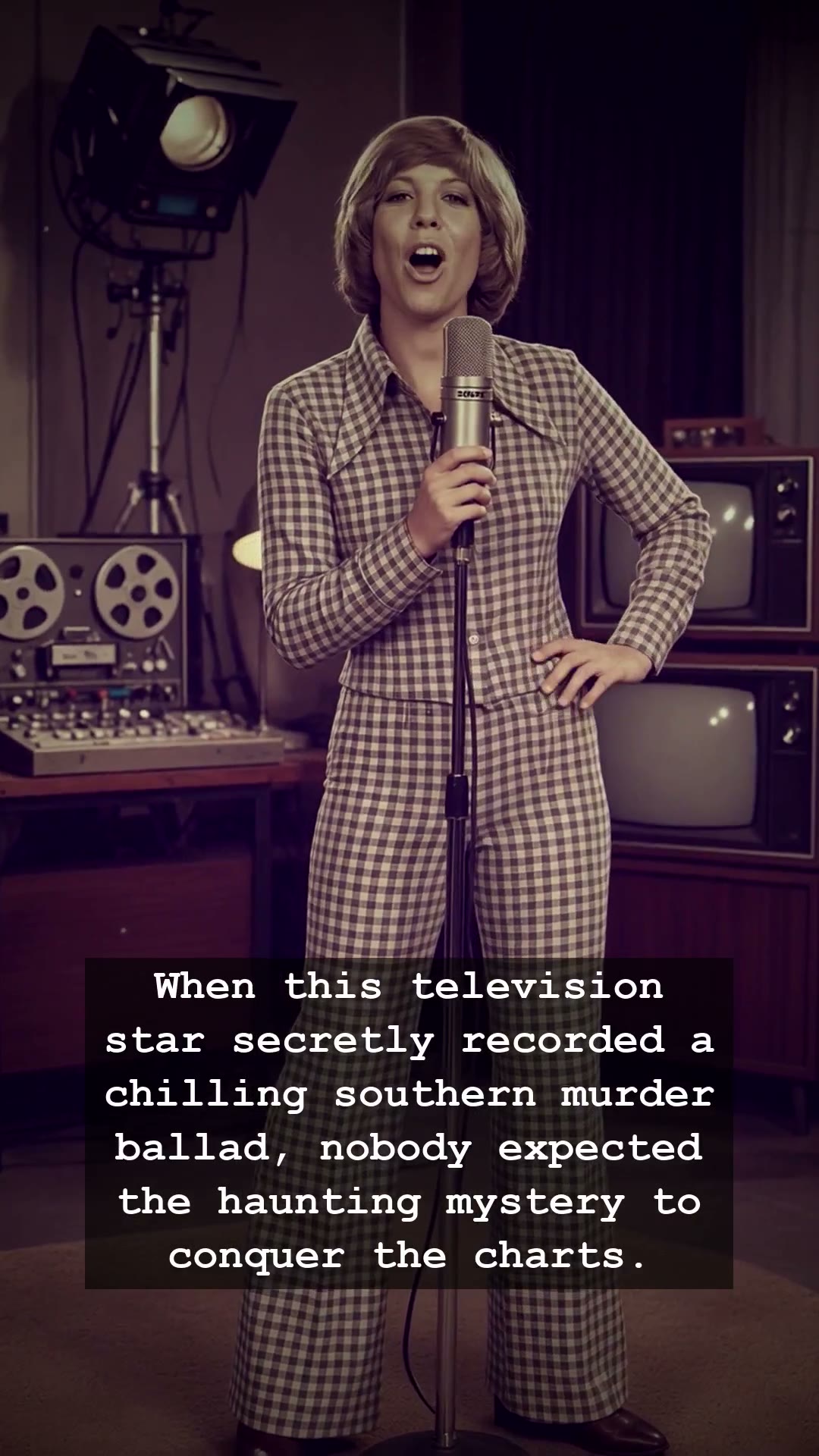
It was 1972, a time when the Jukebox was still the heartbeat of every small-town diner and radio waves were the primary lifeline for American culture. While the nation was fixated on the evolving sounds of rock and the rising influence of television, a unexpected, chilling masterpiece emerged from an unlikely source. Vicki Lawrence, then famously known as the comedic spitfire of The Carol Burnett Show, took a daring detour from her usual punchlines to record one of the most haunting southern murder ballads in history. Few people at the time could have guessed that a television star would deliver a narrative so grim, so gritty, and so captivating that it would climb straight to the top of the Billboard Hot 100.
The song, The Night the Lights Went Out in Georgia, is a masterclass in gothic storytelling. With its sparse, moody instrumentation and a narrative that twists like a snake through the humid rural South, the track feels less like a radio pop hit and more like an old crime novel brought to life. Vicki Lawrence channeled a cold, detached intensity that shocked listeners who were used to seeing her in sketch comedy costumes. She wasn’t just singing a song; she was reciting a tragedy of mistaken identity, judicial corruption, and the cyclical nature of violence in a town where the secrets are buried deeper than the graves.
What makes this musical moment so fascinating is the sheer contrast between the artist and the art. Vicki Lawrence was the darling of primetime, a woman whose career was built on impeccable comedic timing and physical humor. Yet, here she was, commanding the airwaves with a song about a man being sent to the electric chair for a crime he didn’t commit, while the true culprit—a sister driven by a dark secret—got away with it. It was a bold artistic choice that proved she was far more than a supporting player on a variety show. The song resonated because it tapped into a primal, dark curiosity that listeners in the 1970s rarely got to hear on mainstream airwaves.
The production of the track remains a testament to a bygone era of music-making, where the weight of the story mattered just as much as the melody. Throughout the years, the song has remained a cult favorite, a dark gem in the treasury of American folk-pop that refused to fade away. It serves as a reminder of a time when radio DJs held the keys to the kingdom and a single, well-told story could hold an entire country in suspense for three minutes and thirty-three seconds.
Even decades later, whenever the haunting opening notes of the song play, there is an immediate shift in the atmosphere. It reminds us that even the brightest stars of our favorite sitcoms possessed shadows, and that sometimes, the most memorable melodies are the ones that keep us up at night. Vicki Lawrence proved that she had the soul of a storyteller long before she became an icon of the small screen. Today, the mystery of the song remains as cold and compelling as ever, inviting us to look back at the 1970s not just for the glitter of disco, but for the dark, narrative brilliance that sometimes emerged from the most unexpected places.