
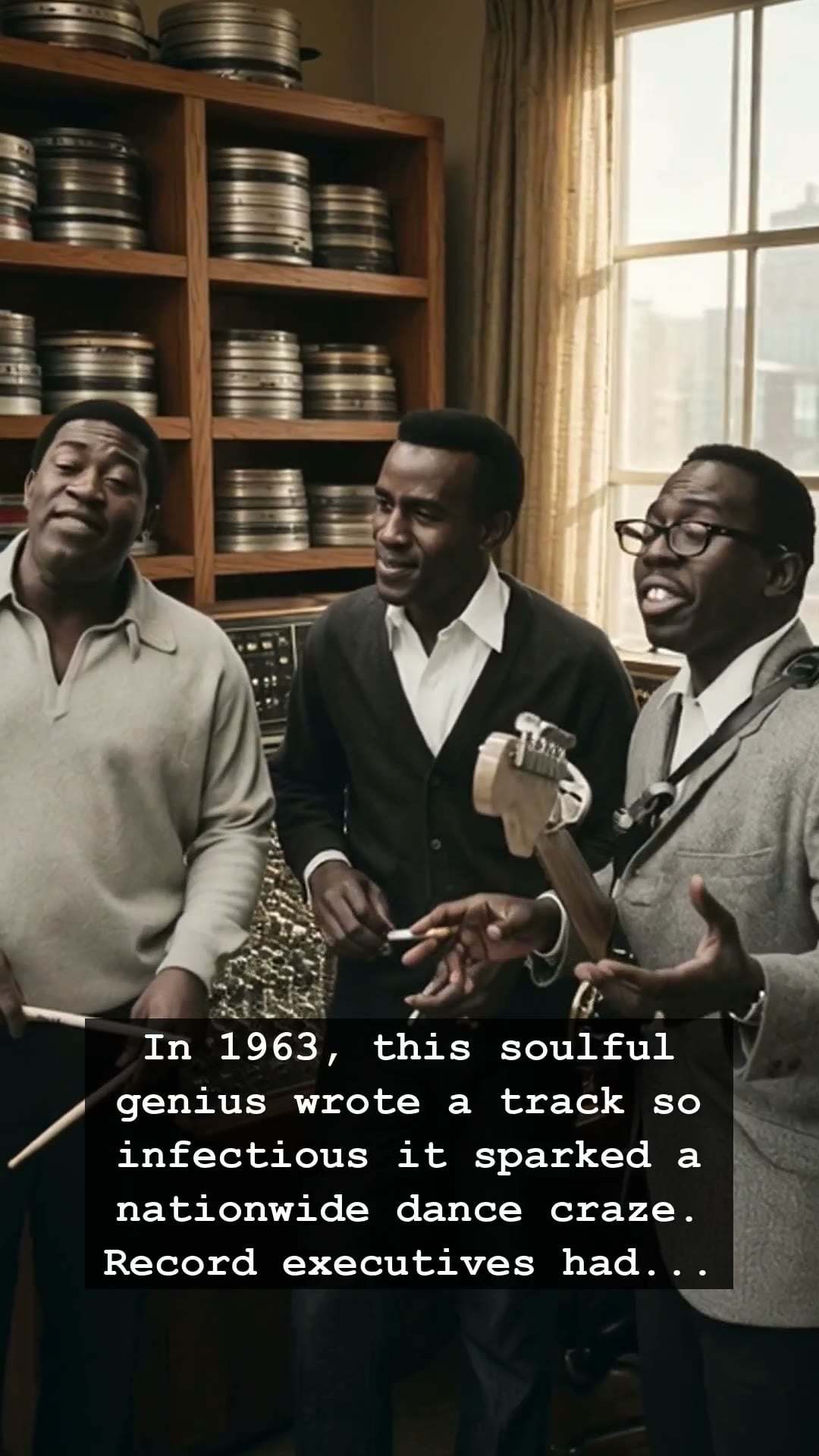
In 1963, the airwaves were still vibrating with the polished hum of early rock and roll, but something raw and rhythmic was brewing in the soul of Chicago. Curtis Mayfield, a soft-spoken genius with an uncanny ability to translate social consciousness into infectious melodies, walked into a recording studio with a song that would change everything. The executives in their suits and ties were skeptical, dismissing the track as too risky, too urban, and too daring for the mainstream audiences of the era. They had no idea that they were holding the blueprint for a national obsession that would soon spill out of every Jukebox in America.
The song was the immortal Monkey Time. Curtis Mayfield had crafted it with his childhood friend Major Lance in mind, blending a percussive, hypnotic groove with a vocal delivery that felt both urgent and celebratory. As soon as the needle hit the vinyl, the song didn’t just play; it commanded movement. It triggered the Monkey Time dance craze, a frenetic, body-shaking phenomenon that swept through dance halls and living rooms alike, defying the rigid social etiquette of the early sixties. While the suits worried about the song’s bite, the youth of America were busy losing themselves in the rhythm that Curtis Mayfield had so masterfully engineered.
Looking back from the vantage point of the present, it is easy to view Curtis Mayfield simply as the architect of soul, but in 1963, he was a disruptor. He understood that music was a vehicle for more than just pleasure; it was a way to navigate the turbulent cultural shifts of the decade. Before the introspective depths of his later masterpieces or the cinematic funk of his film scores, he was already weaving complex, multi-layered arrangements that bridged the gap between gospel roots and the emerging R&B sound. His ability to fuse social commentary with a beat that demanded you get up and move was his greatest gift to music history.
The success of this track was a masterclass in artistic intuition. Curtis Mayfield knew that if you could capture the spirit of the dance floor, you could plant seeds of change in the minds of the people listening. It was an era where the radio was the primary portal to the world, and by capturing that infectious energy, he cemented his place as a visionary. Even today, the grit and the joy embedded in those early recordings feel as fresh as the day they were pressed, reminding us of a time when a simple three-minute song could unite a divided nation under the banner of a dance craze.
Decades later, the legacy of Curtis Mayfield remains etched into the fabric of American soul. Whether he was crafting hits for others or delivering his own socially conscious anthems, he never lost that touch of authenticity that made his music vibrate with human experience. When you spin those old records today, you aren’t just listening to a track; you are feeling the pulse of a man who changed the trajectory of rhythm and blues forever. The dance might have been a fleeting craze of 1963, but the genius of the man behind the music is a treasure that will never fade away.