
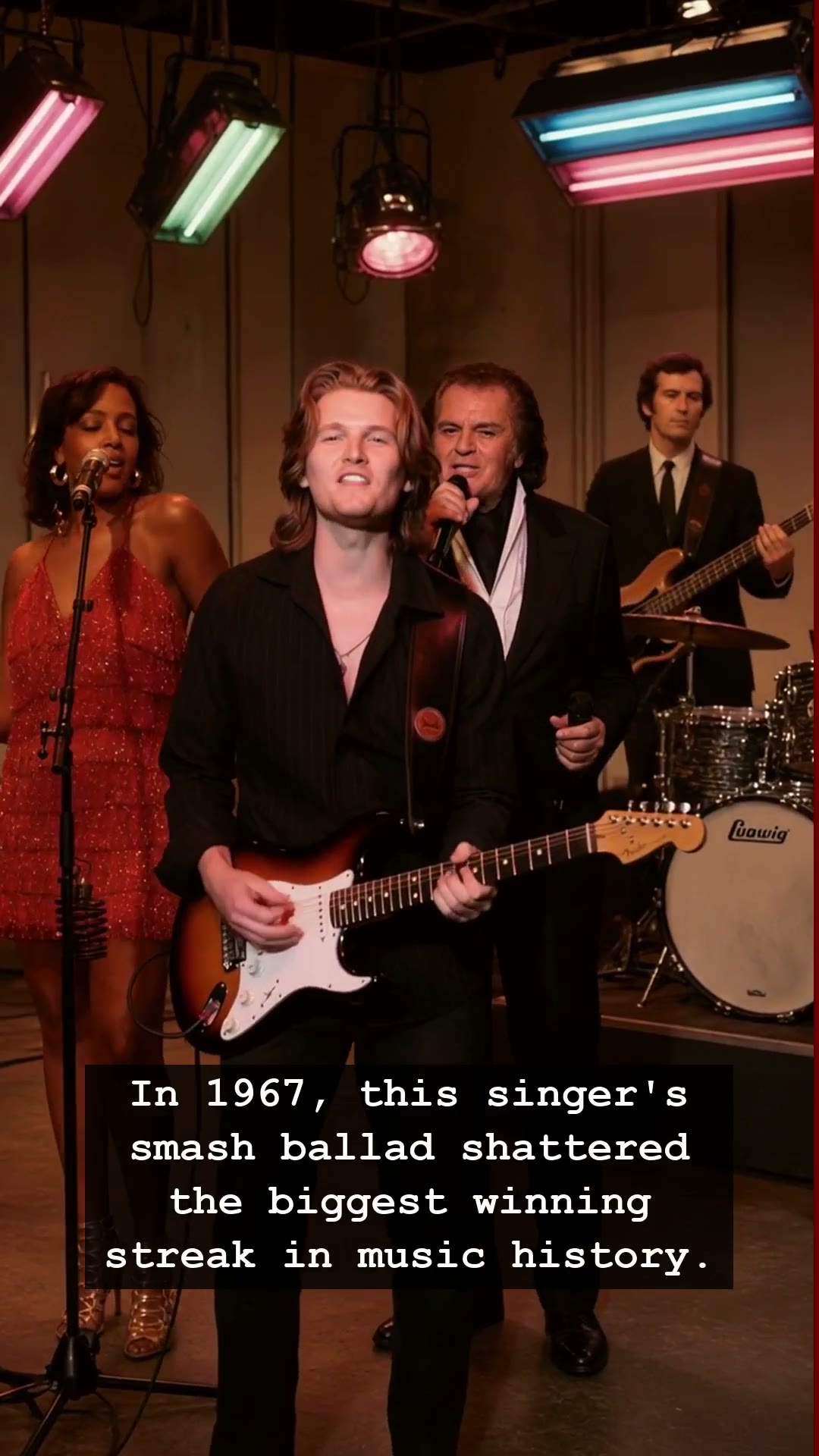
The year was 1967, and the airwaves were dominated by a phenomenon that felt untouchable. The Beatles had been riding an unprecedented wave of chart-topping dominance, a winning streak that felt as permanent as the stars themselves. Fans across the globe assumed that anything the Fab Four touched would inevitably reach the number one spot. But then, a smooth, velvet-voiced crooner arrived to shatter that illusion, turning the pop music hierarchy on its head with a heartbreaking ballad that nobody saw coming. The man behind this monumental upset was none other than the legendary Engelbert Humperdinck.
Engelbert Humperdinck, born Arnold George Dorsey, was not your typical rock star. He lacked the psychedelic swagger of the Summer of Love, instead offering a classic, timeless croon that spoke directly to the heart. When his soaring, emotional hit Release Me hit the airwaves, it did more than just sell records; it became a cultural juggernaut. It climbed the charts with a relentless momentum that eventually forced The Beatles to settle for second place with their double A-side release of Penny Lane and Strawberry Fields Forever. For a brief, flickering moment in the mid-sixties, the world stopped dancing to rock and started swooning to the dramatic, soulful intensity of Engelbert Humperdinck.
The industry was left in absolute shock. The music press scrambled to understand how a newcomer with such a theatrical persona could displace the most significant band in history. It was a classic clash of eras: the burgeoning, experimental landscape of the late sixties against the polished, dramatic storytelling of a traditional pop singer. This wasn’t just a chart statistic; it was a watershed moment that proved the audience’s appetite for emotional depth and vocal grandeur remained a powerful force in the age of the transistor radio and the jukebox.
Beyond the chart battles, the story of Engelbert Humperdinck is one of grit and sudden, explosive fame. He spent years laboring in the obscurity of working-class clubs, struggling to find his identity until a shrewd manager repackaged him with a name that sounded like a Wagnerian opera star. The resulting success was dizzying. Living in the shadow of the era’s massive ego clashes, Engelbert Humperdinck walked a fine line between mainstream adoration and the lonely, high-pressure life of a touring superstar who suddenly found himself the most wanted man in the music business.
Today, the memory of that 1967 victory resonates as a reminder of a time when pop music felt dangerous and unpredictable. Every time the opening chords of his signature ballad play, it transports us back to a world of smoky studios and transistor radios. Engelbert Humperdinck proved that even the greatest legends could be challenged by a single, perfectly timed song. Do you remember the first time you heard that soaring chorus echo through the room?