
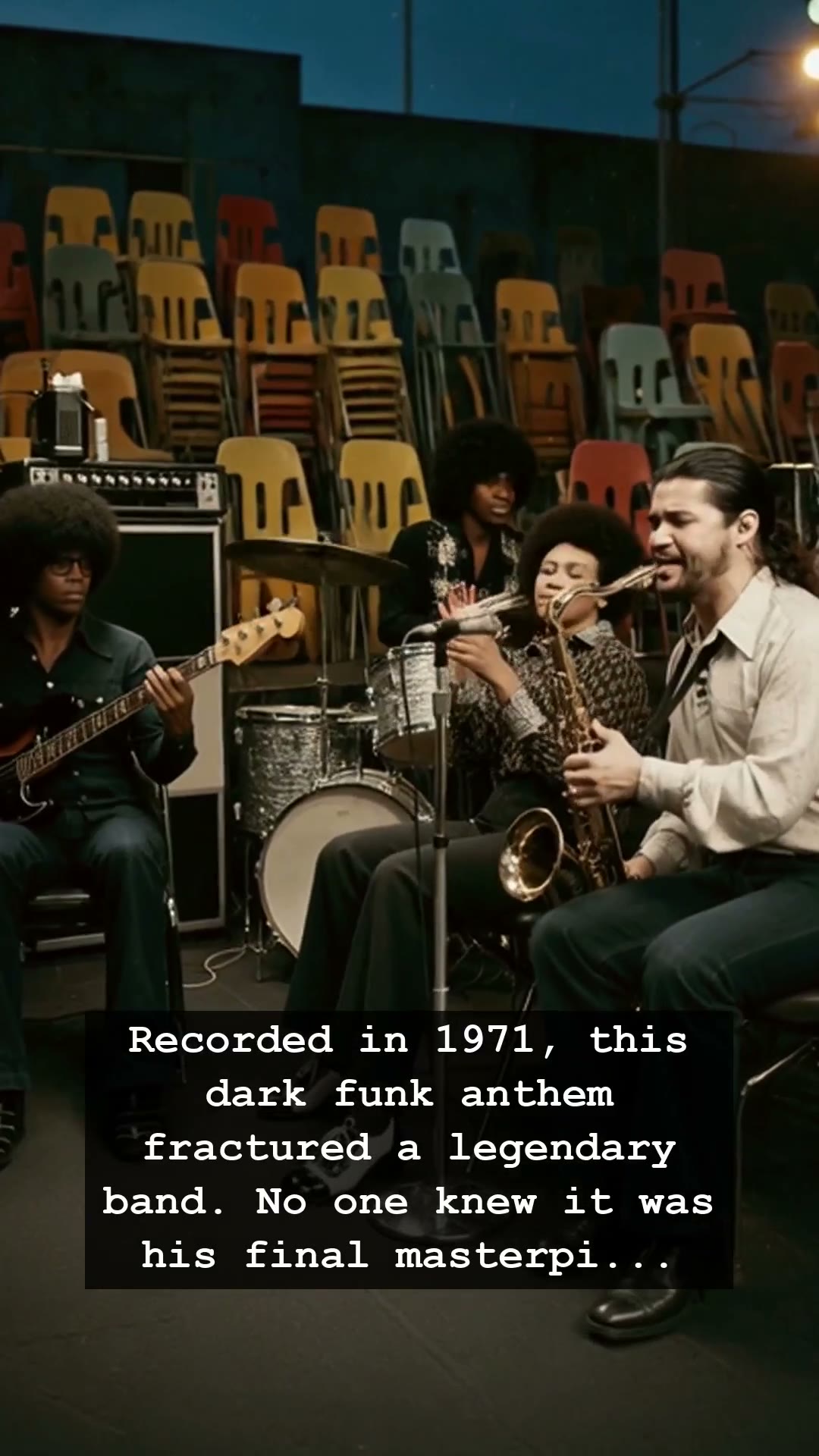
It started with a drum machine beat—a cold, robotic pulse that sounded nothing like the vibrant, communal energy of the late sixties. By 1971, Sly Stone was no longer the flamboyant prophet of peace and soul. He was a man drowning in the paranoia of his own fame, isolated within the velvet walls of his Los Angeles studio. As he laid down the tracks for what would become a haunting funk masterpiece, he didn’t just record a song; he began a slow, agonizing retreat from reality that would fracture Sly and the Family Stone forever. No one in the room knew it then, but they were witnessing the final, brilliant sparks of a genius before he vanished into a haze of chemical dependency and erratic behavior.
The era was shifting. The optimism of Woodstock had curdled into the bitter cynicism of the early seventies, and Sly Stone was the perfect vessel for this transition. While the world was busy dancing at Studio 54 or sporting the latest denim, Sly was trapped in a self-imposed prison of fame. The recording sessions for this era were notorious, marked by missed appearances and an atmosphere so thick with tension that his bandmates—his own blood and chosen family—became mere strangers to him. The music he produced during this period was revolutionary, yet it carried an underlying dread, a sonic reflection of a mind beginning to fray at the edges.
What makes the story of Sly Stone so heartbreaking is how publicly the disintegration unfolded. Audiences who had been mesmerized by his electrifying presence at festivals were suddenly confronted with a frontman who was perpetually late, visibly unhinged, and increasingly volatile. The funk anthems that once bridged racial and social divides were now being crafted in an environment of total alienation. When you listen to the tracks from this period, you can almost hear the loneliness between the notes. It is a masterclass in tension, where the groove remains impeccable, but the soul behind it is drifting further and further away from the light.
The legacy of Sly Stone is not just found in his undeniable influence on modern hip-hop and funk, but in the tragic trajectory of his personal evolution. He went from being a cultural icon to a cautionary tale, proving that even the brightest stars can be extinguished by the weight of their own expectations. Those 1971 recordings serve as a bridge between the vibrant, kaleidoscopic soul of the sixties and the gritty, darker realities of the following decade. They are a haunting reminder of the human cost behind the music we adore.
Even today, decades later, the story of Sly Stone continues to fascinate and disturb us. It forces us to confront the reality that for every hit record that defines a generation, there is often a private collapse occurring in the shadows. As you spin those vintage records on your turntable, take a moment to look past the groove. You might just find the story of a brilliant, tortured soul who changed the course of music, only to lose himself in the process.