
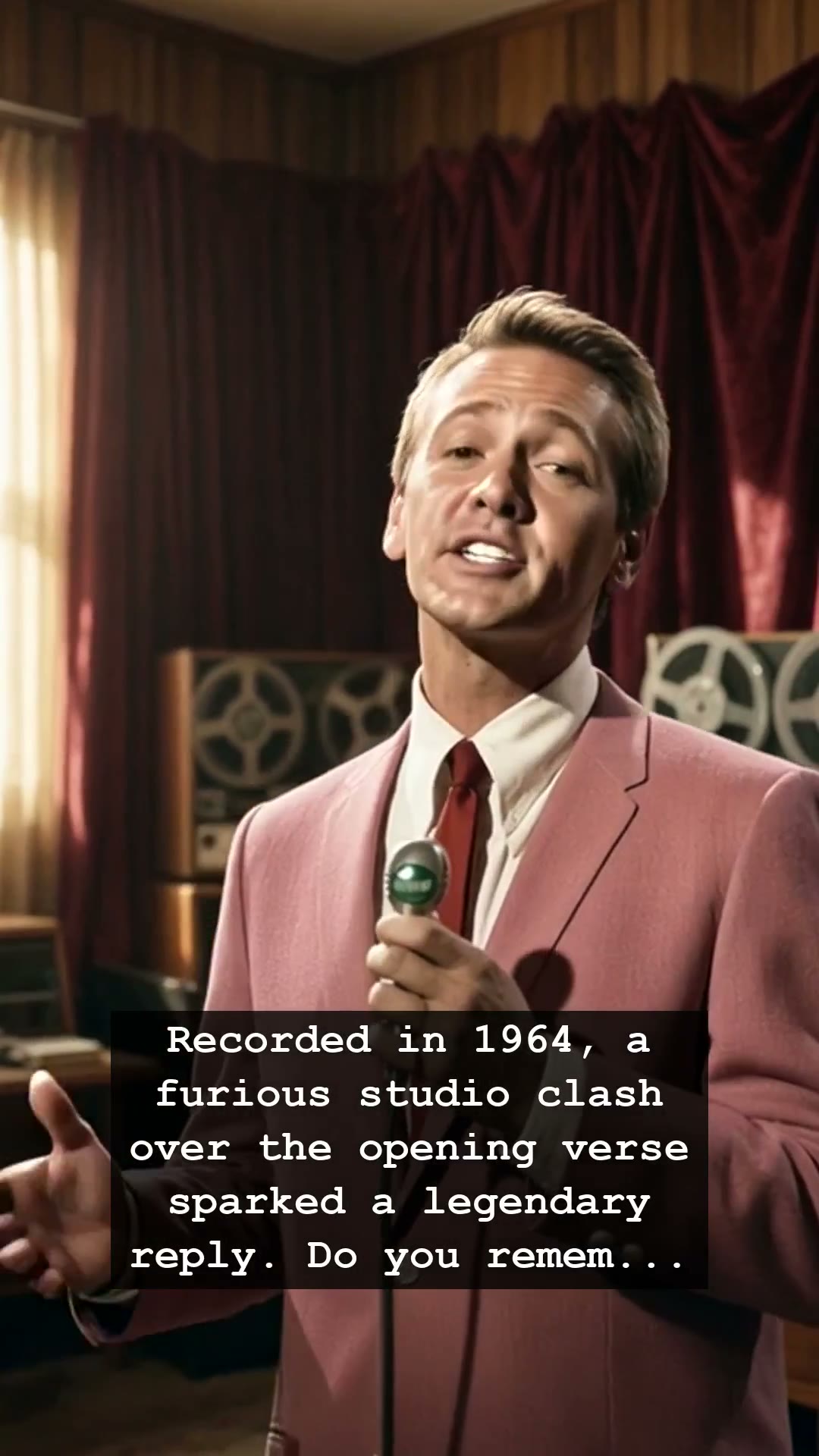
It was 1964, a year where the airwaves were still crackling with the remnants of doo-wop melodies and the burgeoning excitement of a changing musical landscape. Inside a dimly lit studio in Los Angeles, the temperature wasn’t just rising from the vintage tube equipment; it was boiling over between two men whose voices would eventually define the blue-eyed soul genre. Bobby Hatfield, with his soaring, angelic tenor, stood face-to-face with the legendary producer Phil Spector. The tension centered on a single, pivotal question that would haunt the recording of the era-defining hit, You’ve Lost That Lovin’ Feelin’. Who would own the opening verse?
Bobby Hatfield was no stranger to the spotlight, but being trapped in the suffocating perfectionism of the Wall of Sound was a different beast entirely. As the backing tracks pulsed, Hatfield dared to challenge the master architect of the session. He demanded to know his exact role, feeling pushed into the shadows by the song’s unconventional, deep-baritone arrangement. Spector, known for his volatile temper and god-complex, delivered a retort so brutal it remains legendary in industry lore. He looked Hatfield dead in the eye and essentially told him he was lucky to be in the room at all. It was a cold, calculated display of ego that epitomized the ruthless underbelly of the mid-sixties music scene.
Yet, out of that creative friction, something transcendent was born. The resulting track wasn’t just a pop song; it was a sprawling, melancholic masterpiece that seemed to echo through every jukebox in America. While the conflict between the fiery Bobby Hatfield and the demanding producer could have shattered the track, it instead added a layer of genuine desperation to the vocal performance. Listeners at the time felt the weight of that animosity; it sounded like a man fighting for his soul against the crushing pressure of a hit-making machine. It remains the most played song in the history of radio for a reason—it is saturated with the raw, unfiltered pain of its own creation.
Reflecting on the era of the Walkman and the spinning vinyl, it is easy to view these artists as untouchable icons, but the story of Bobby Hatfield reminds us of the humanity behind the music. He was a man navigating a world where fame was often a cage. Behind every pristine recording was a battleground of broken egos and exhausted nerves. The success of the song didn’t wash away the bitterness of that day, but it solidified his place in history as one of the greatest vocalists to ever step up to a microphone.
Decades later, when those opening notes play, the ghostly energy of that 1964 studio clash still lingers. We are not just hearing a melody; we are hearing the echo of a man who fought for his voice in a room that wanted to silence him. It is a timeless lesson in the cost of perfection and the power of persistence. The next time you find yourself swaying to that iconic chorus, remember the man behind the tension. Bobby Hatfield didn’t just sing the notes; he lived the struggle, ensuring his legacy would never be lost to time.