
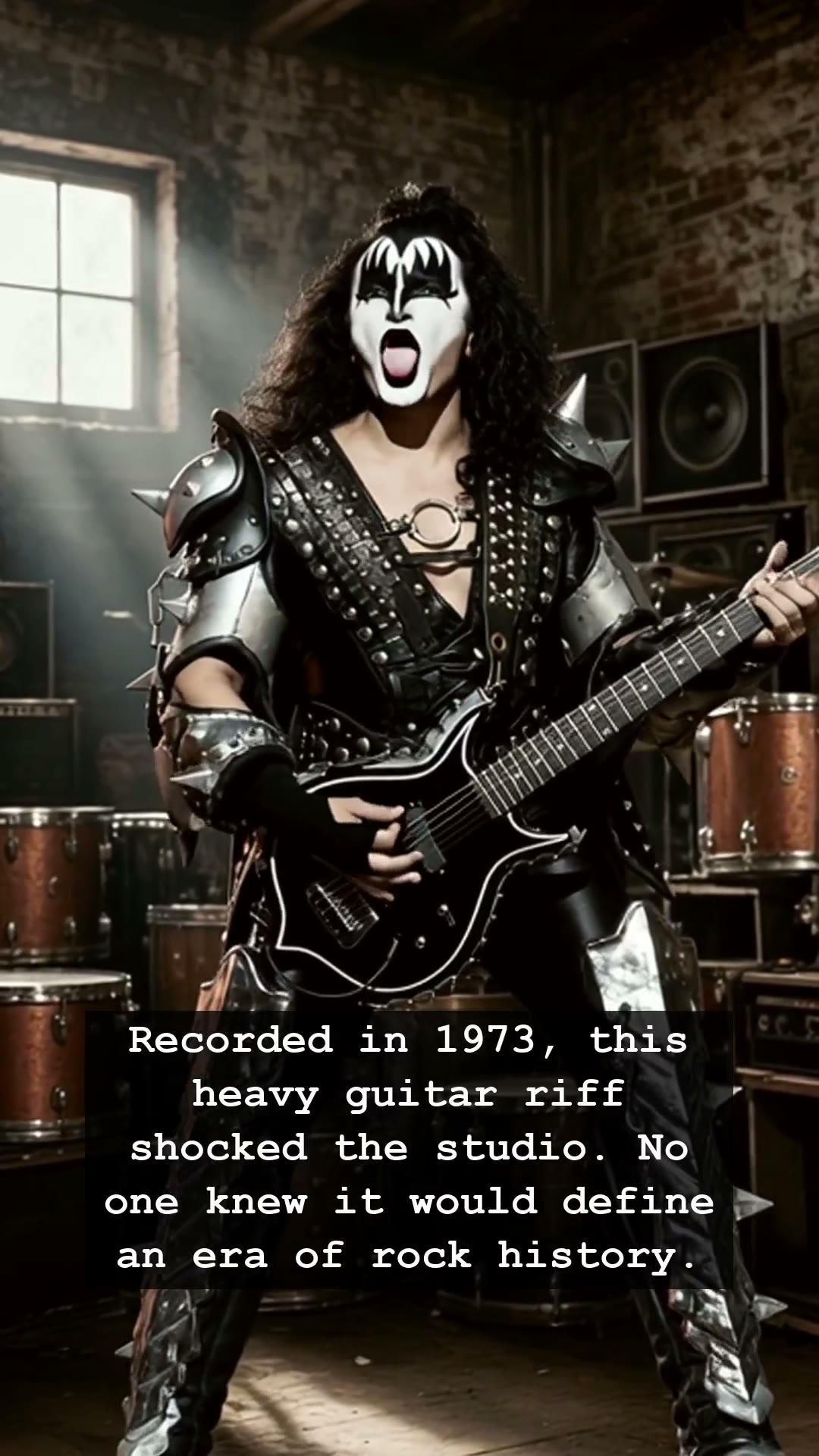
It was 1973, and the air inside Bell Sound Studios felt heavy with the scent of cheap cigarettes and the palpable anxiety of a band on the verge of either greatness or total obscurity. Four men stood in the shadows, their faces not yet hidden behind the iconic greasepaint that would eventually define a generation. As the guitar amplifier began to growl, a riff emerged—a jagged, aggressive sequence of notes that seemed to violate the polished sensibilities of the era. The studio engineers froze, looking at each other with genuine concern. They had no idea that this raw, primal sound was not just a recording; it was the birth of an arena rock juggernaut called KISS.
At the time, the airwaves were dominated by the folk-rock introspection of the late sixties and the emerging glam sensibilities of the British invasion. Into this landscape stepped KISS, a group of outcasts from New York City who refused to play by the rules. Their brand of high-octane performance and calculated theatrics was mocked by early music critics who labeled their sound too loud, too simple, and frankly, too dangerous. They didn’t care. They were building a temple to excess, long before the days when MTV would make visual spectacle a prerequisite for fame. This 1973 recording session was the crucible where that fire was first struck.
What made the early sound of KISS so jarring was its uncompromising aggression. While others were softening their edges for radio play, KISS leaned into the rhythm. That particular riff from 1973 captured the spirit of the street—it was the sound of a leather jacket being dragged across a concrete floor. It was meant for the back row of the bleachers, not the comfort of a living room couch. This was music designed to be felt in the chest cavity, a precursor to the stadium rock dominance that would see the band packing out venues from Tokyo to Detroit throughout the following decade.
Yet, the drama behind the scenes was as sharp as the music. The internal friction between the members of KISS was a ticking time bomb of ambition and clashing egos. Behind the makeup, these were four individuals clawing their way out of poverty, driven by a desperate need to be remembered. That tension bled into the music, giving the tracks an edge of desperation that listeners could subconsciously detect. It was a volatile mixture of talent, ego, and the dark, seductive pressure of the American dream that turned their live shows into legendary, explosive events.
Decades later, when we hear those familiar chords echoing from a vintage jukebox, we aren’t just hearing a song. We are transported back to a time when rock and roll still felt like a rebellion. KISS changed the rules of the game, turning concerts into immersive, fire-breathing experiences that bridged the gap between a rock show and a circus. Their legacy remains etched in the walls of every arena they ever filled, proving that even a controversial riff from 1973 can change the course of history forever. Does that heavy, historic rhythm still get your blood pumping today?