
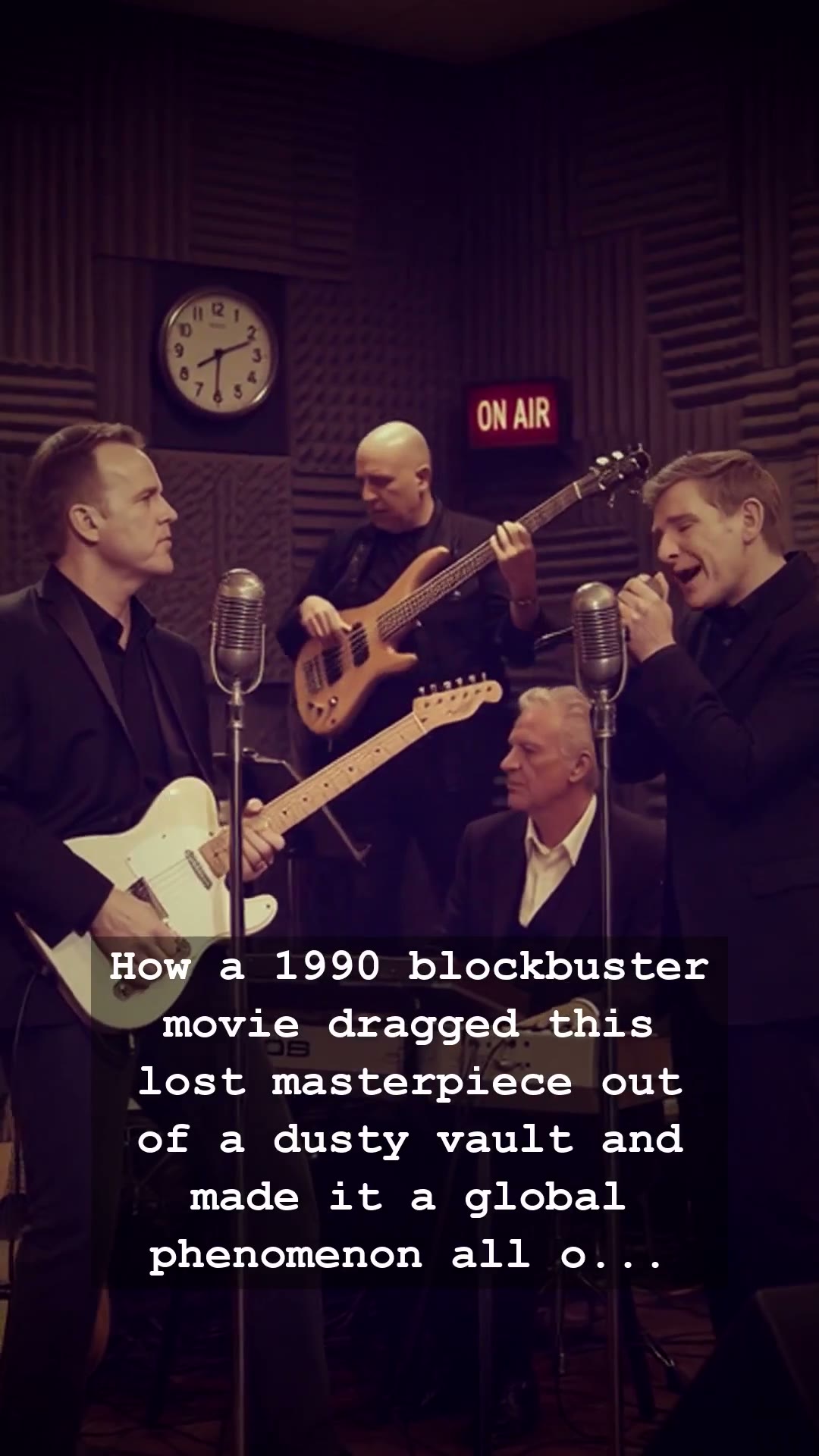
It was 1965 when the haunting, ethereal vocal cords of The Righteous Brothers first whispered into the collective consciousness of America. With Bill Medley’s gravelly, deep baritone and Bobby Hatfield’s soaring, fragile tenor, they created a sound that felt like it had been carved out of pure emotion. Their hit Unchained Melody was a masterpiece of soul, yet as the decades rolled by—past the era of the Jukebox, the neon glow of the disco dance floors, and the rise of MTV—the song began to fade. It drifted into the dusty archives of music history, a relic of a golden age that many feared was being forgotten in the relentless march toward the synthesized sounds of the late eighties.
Then came 1990, a year that would forever alter the fate of these blue-eyed soul icons. When the blockbuster film Ghost hit theaters, it did more than just tell a story of love beyond the grave; it turned a potter’s wheel into the most romantic symbol of a generation. As the scene unfolded, the timeless notes of Unchained Melody filled the cinema, catching millions of viewers completely off guard. It was as if the song had been waiting in a vault, perfectly preserved, just to remind a modern audience what genuine, unadulterated longing sounded like. The impact was instantaneous and overwhelming.
Before this sudden revival, the members of The Righteous Brothers had navigated a turbulent career defined by the volatile nature of fame. Their partnership was far from a fairytale; it was a complex collision of egos, artistic differences, and the crushing weight of industry expectations. The duo broke up, reunited, and struggled through the changing musical landscape that favored the polished sheen of the eighties over the raw, organic intimacy of their earlier work. Yet, that single moment in 1990 proved that their artistry was not bound by trends. They weren’t just singers; they were architects of atmosphere.
Looking back, it is easy to see why this track resonated so deeply. In a world increasingly dominated by digital textures, the vulnerability in Bobby Hatfield’s voice served as a visceral, human anchor. Whether you were a fan who grew up with their records on a crackling turntable or a newcomer captivated by that iconic movie scene, the song bridged the gap between generations. It reminded us that the best music doesn’t need a drum machine or a music video gimmick—it only needs a melody that speaks directly to the ache in our hearts.
Today, the legacy of The Righteous Brothers remains cemented in the bedrock of American music. Their story is a powerful testament to the idea that a masterpiece never truly dies; it simply waits for the right moment to be rediscovered. As we look back at the cinematic magic of the nineties, we are reminded that some sounds are truly eternal. The next time you hear those opening notes, take a moment to listen closely—not just to the music, but to the ghosts of a golden era that still linger in every chord.