
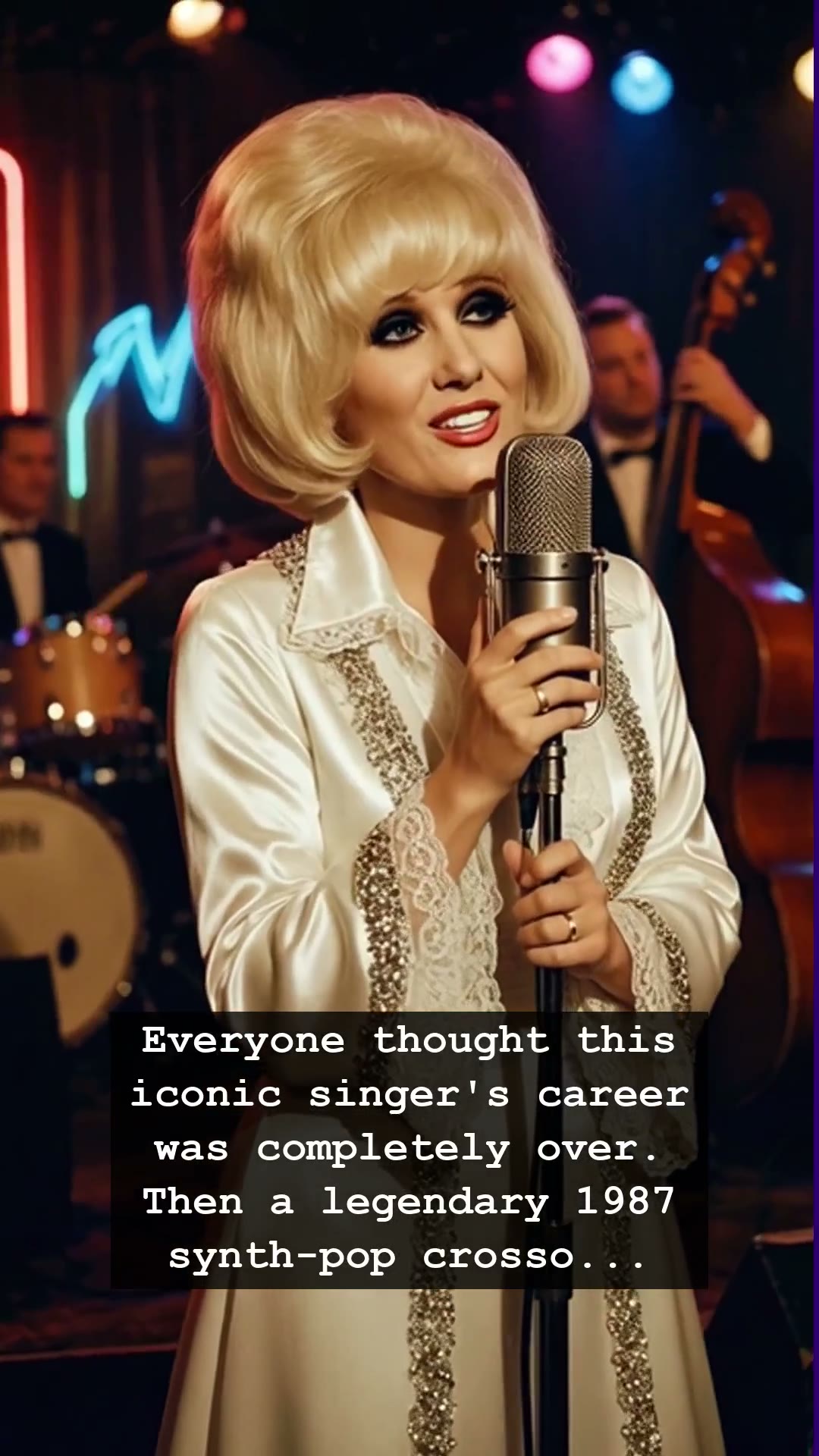
By the mid-1980s, the glitzy world of music had seemingly moved on from the smoky, soul-drenched vocals that defined the previous decades. The era of the Jukebox and analog warmth was being aggressively overtaken by the cold, neon-lit perfection of MTV and the rigid beats of synthesizers. Dusty Springfield, once the undisputed queen of blue-eyed soul, found herself cast into the shadows of obscurity. The industry that had once worshipped her legendary performances now considered her a relic of a bygone era. For a woman whose voice carried the weight of heartbreak and raw human longing, the silence of the 1980s was a cruel, isolating void that threatened to extinguish her flame forever.
Yet, the story of Dusty Springfield was never one defined by defeat. In 1987, at a moment when even her most devoted fans feared her career had reached its final act, a miracle arrived in the form of a synth-pop collaboration. The Pet Shop Boys, masters of the new electronic sound, reached across the generational divide to invite the legend into their world. Their collaboration on the hit song What Have I Done to Deserve This? did not just mark a return to the charts; it was an seismic event. The juxtaposition of Dusty’s rich, emotive timbre against the crisp, mechanical precision of a drum machine felt like a collision of two worlds—the soul of the 1960s meeting the frantic, restless energy of the late 80s.
The public was stunned. Hearing Dusty Springfield roar back with such vitality was a visceral reminder of what real artistry sounded like. It proved that her voice, which had defined classic hits in the era of transistor radios and dimly lit dance halls, possessed a timeless quality that could cut through any production trend. For those who grew up watching her transition from the sophisticated pop of the sixties to the gritty reality of her personal struggles, this comeback felt deeply earned. It was a victory for authenticity in an age of artificiality, a moment where the past refused to stay buried.
Beyond the charts and the high-tech music videos of the time, this partnership revealed the resilience of Dusty Springfield. She had survived the pressures of fame, the weight of expectations, and the fickle nature of a music business that preferred youth over mastery. Her return was not just a clever crossover; it was an act of survival. It serves as a poignant reminder that while styles shift and technology dictates the sound of the future, true emotion remains the only currency that never devalues.
Even today, whenever that familiar synth-pop hook kicks in, the presence of Dusty Springfield feels immediate and unshakable. She did not just survive the changing tides of the music industry; she mastered them on her own terms. Her legacy endures not because she changed who she was, but because she allowed the world to remember exactly who she had always been. As we look back at the artifacts of our vinyl collections and the neon haze of the 1980s, we are reminded that some voices are simply too powerful to be silenced by time. What moment from the soundtrack of your own life do you still hold closest to your heart?