
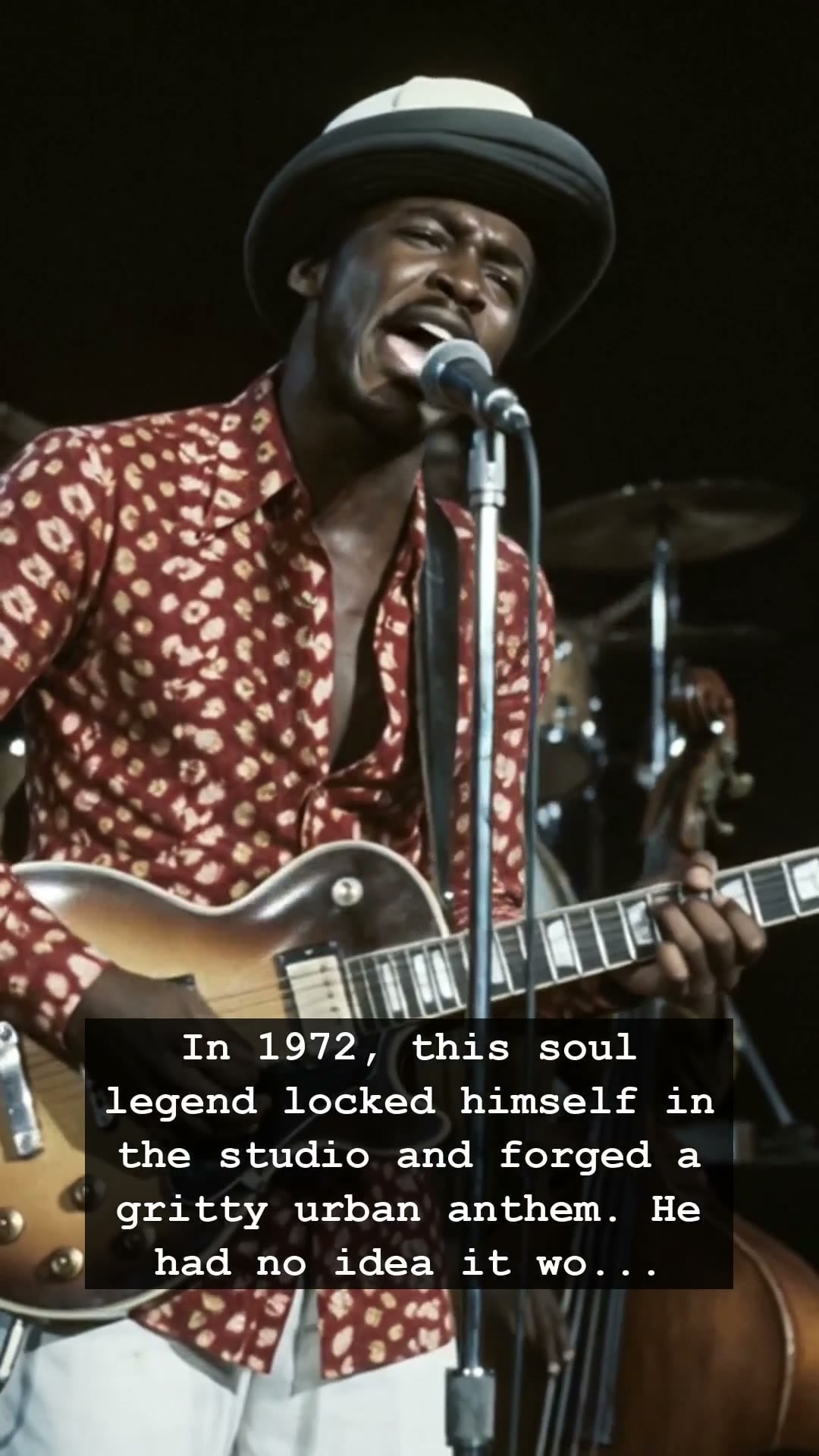
It was 1972, and the air inside the recording booth was thick with the scent of burning cigarettes and the weight of artistic expectation. Isaac Hayes, a man who had already redefined the landscape of rhythm and blues with his baritone voice and sweeping orchestral arrangements, stepped toward the microphone. He wasn’t just recording a track; he was crafting a sonic blueprint for the asphalt jungle. As the iconic wah-wah guitar riff kicked in, it didn’t just sound like a song; it sounded like the heartbeat of an urban revolution. Isaac Hayes had captured the essence of street-level cool, turning the grit and glamour of early seventies soul into an immortal, swaggering anthem.
The genius of Isaac Hayes lay in his ability to blend the raw, emotional intimacy of Stax Records with a cinematic scope that felt larger than life. During this era, the music world was shifting under the neon glow of disco and the evolving consciousness of funk, but Hayes remained a titan of the soul genre. He possessed a rare talent for turning a simple melody into a sprawling masterpiece that lasted for minutes on end, demanding the listener lose themselves in the groove. While the rest of the world was catching the fever of the burgeoning disco movement, Isaac Hayes was busy building a sanctuary of deep, rhythmic storytelling that felt tailor-made for the interior of a custom velvet-lined car cruising through the city at midnight.
His approach was obsessive, bordering on the fanatical. When Isaac Hayes entered the studio, he did not merely perform; he conducted a spiritual experience. He had a vision for a sound that could reflect the heat of the pavement and the cold reality of the city, and he pushed his musicians until the friction created magic. This perfectionism often led to immense internal pressure, the kind that defined the darker, unseen side of musical brilliance during the decade. Yet, amidst the tension, Isaac Hayes maintained an aura of composed elegance, sporting his signature gold chains and shaven head, a visual icon that mirrored the boldness of his compositions.
Decades later, the influence of his work remains embedded in the very DNA of modern music. Whether you heard it spinning on a dusty vinyl record in a basement apartment or discovered the sample through the lens of hip-hop pioneers, the impact of Isaac Hayes is undeniable. His music serves as a bridge between the authentic soul of the sixties and the polished, rhythmic complexities of the late seventies. It reminds us of a time when the studio was a laboratory for the soul, a place where legends were forged through long nights and tireless dedication to the craft.
Today, we look back at the legacy of Isaac Hayes not just as a historical footnote, but as a vibrant, breathing influence on the soundtrack of our lives. His masterpiece remains a definitive slice of the seventies, a testament to what happens when raw talent meets the relentless pursuit of artistic perfection. As the final notes of that iconic theme fade into memory, we are left to wonder: in an era of digital perfection, can we ever truly recapture that deep, organic soul that Isaac Hayes gave to the world?