
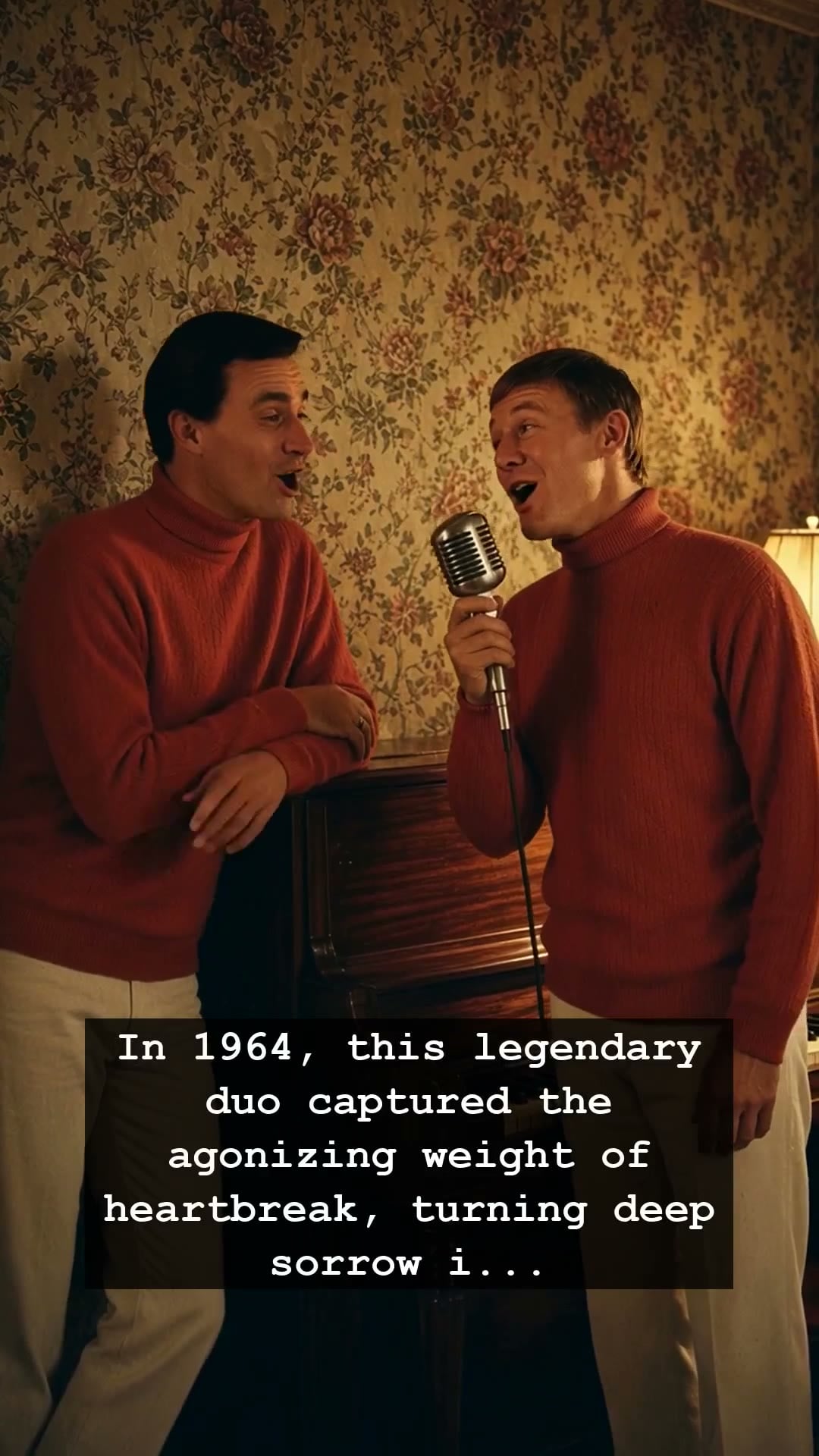
It was 1964, a year teetering on the edge of a cultural revolution, when a song emerged that would forever define the sound of heartbreak. As the flicker of black-and-white television sets illuminated living rooms across America, the world was introduced to a towering wall of sound and a pair of voices so impossibly raw that they seemed to pull the very soul from the listener. The Righteous Brothers, composed of the baritone powerhouse Bill Medley and the soaring, angelic tenor Bobby Hatfield, didn’t just perform a song; they staged an emotional exorcism. Their masterpiece, You’ve Lost That Lovin’ Feelin’, became more than a chart-topping hit; it became the definitive anthem for the brokenhearted.
Behind the velvet-smooth production lay a reality far more turbulent than the polished record suggested. Phil Spector, the architect of the legendary Wall of Sound, was obsessed with creating a track that would dominate the jukeboxes of the mid-sixties. He pushed the duo to their physical and emotional limits within the confines of the recording studio. The tension was palpable. Medley and Hatfield were not exactly the best of friends, and their clashing artistic temperaments often mirrored the desperation woven into the lyrics of their greatest hits. This friction, however, was the hidden spark that ignited the haunting intensity defining their signature style.
In an era dominated by the growing influence of radio and the looming shift toward psychedelic experimentation, The Righteous Brothers remained tethered to something ancient and visceral. They mastered the art of blue-eyed soul, bridging the gap between pop accessibility and gospel-infused agony. When Bill Medley’s gravelly voice descended into the depths of the track, it grounded the listener, while Hatfield’s sudden, piercing climb into the upper registers provided the release of pure, unadulterated pain. It was a perfect storm of vocal contrast that made every note feel like a confession delivered in a smoke-filled, lonely nightclub.
Yet, the glory was often fleeting. The music industry of the 1960s was a ruthless machine that chewed up legends as quickly as it minted them. Beneath the fame, the internal dynamics of The Righteous Brothers were frequently strained by personal demons and the exhausting treadmill of live performances. They carried the weight of a million broken relationships on their shoulders, turning their private discord into a public spectacle of longing that resonated with anyone who had ever stared at a cold telephone or paced a quiet room in the dead of night.
Decades later, the legacy of The Righteous Brothers continues to echo through the halls of music history. Even as the industry evolved from the analog warmth of vinyl to the digital crispness of modern streaming, the agonizing weight of their 1964 recordings remains untouched. Their work serves as a reminder that true art doesn’t require a happy ending; it only requires the courage to articulate the shadows we all carry. When you hear those opening notes today, you aren’t just listening to a melody; you are listening to the echoes of an era that dared to turn suffering into gold.