
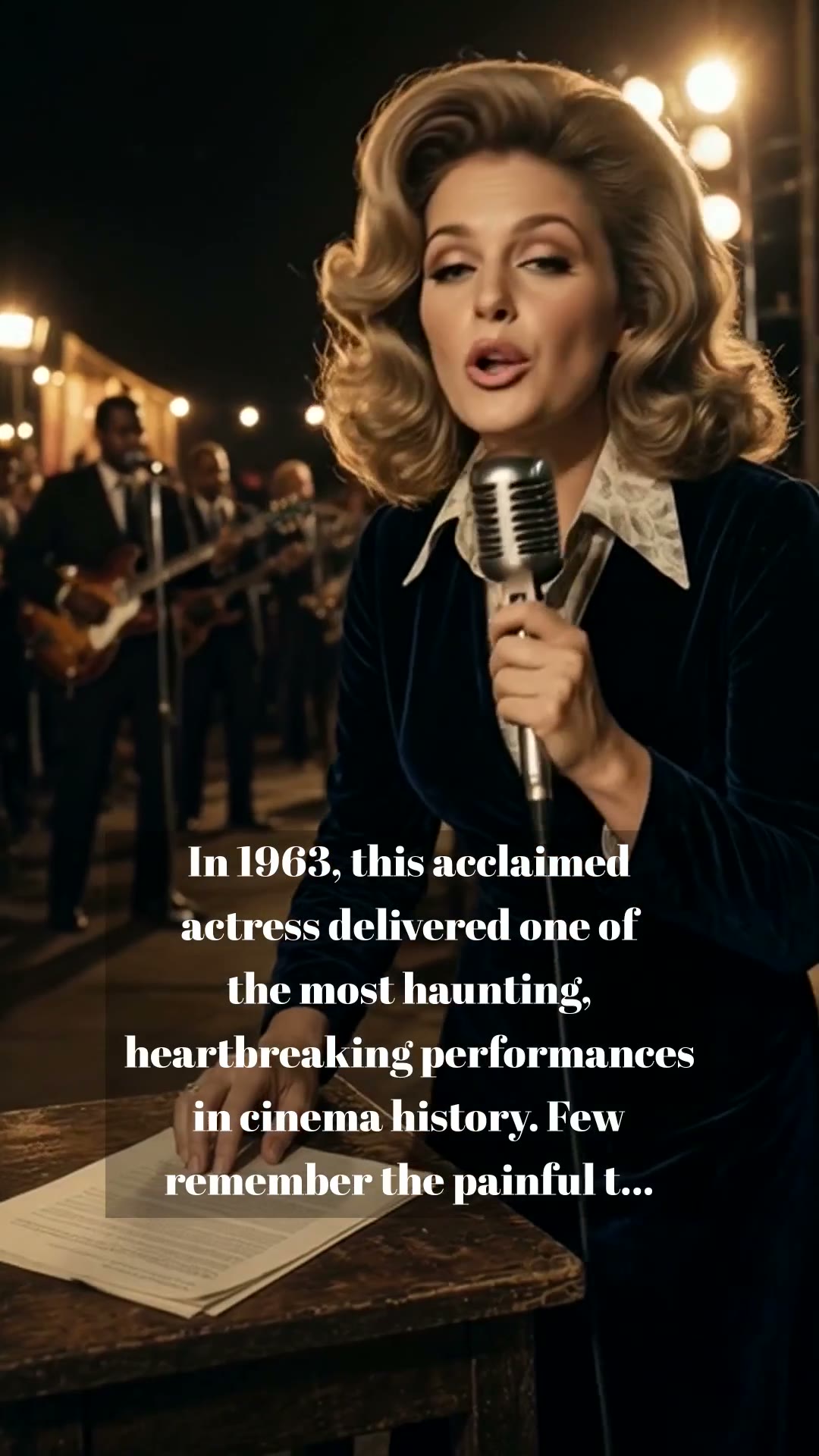
There is a specific kind of magic that defines the Golden Age of Hollywood—a blend of raw, unfiltered human emotion and the deliberate grace of a bygone era. For those of us who grew up under the flickering glow of cinema house projectors or later spent our weekends browsing the aisles of local video stores for the latest VHS arrival, certain performances remain etched in the soul. Among these, the 1963 portrayal of Kirsten Arnesen in Days of Wine and Roses by the incomparable Lee Remick stands as a towering achievement of dramatic courage. It was a role that didn’t just ask for an actress; it demanded a soul stripped bare, leaving a mark on the history of Method Acting that few have managed to replicate since.
Lee Remick was an actress of extraordinary subtlety, possessing a quiet dignity that made her descent into the shadows of addiction all the more harrowing. When audiences sat in the dark in 1963, they expected the typical polished narratives of the time. Instead, they were met with a performance of such devastating, haunting honesty that it felt like an intrusion on reality. Opposite Jack Lemmon, Lee Remick navigated the turbulent waters of a marriage tethered to alcoholism with a vulnerability that defied the constraints of early sixties filmmaking. Her transformation was not merely technical; it was a visceral, heartbreaking journey that spoke to the silent struggles hidden behind the pristine curtains of American domesticity.
While the industry often focuses on the glitz of Oscar Night or the grandeur of the Hollywood Walk of Fame, it is the quiet, painful tolls paid by artists like Lee Remick that truly define the artistry of the mid-century period. To play a character so deeply entrenched in despair required an emotional fortitude that often went unrecognized by the mainstream press of the era. Yet, for those who watched her, the performance was a revelation. It proved that Lee Remick was not just a beautiful face on the silver screen but a serious, dedicated practitioner of her craft, capable of channeling the most uncomfortable truths of the human experience into something profoundly beautiful and deeply empathetic.
Reflecting on that era, one cannot help but feel a pang of nostalgia for a time when dramatic acting felt like a slow-burning art form rather than a sprint for accolades. Lee Remick remains a beacon of that dedicated craftsmanship. Her work in the early sixties serves as a reminder that the most powerful performances are often the ones that cost the artist the most. She did not merely perform; she inhabited a brokenness that forced an entire generation of moviegoers to confront the realities of life outside the frame.
Today, as we look back through the lens of history, we find that the films featuring Lee Remick still hold a weight that many modern productions lack. They are testaments to a time when every gesture, every whisper, and every tear was meticulously earned. Even decades later, her legacy remains intact, preserved in the memories of those who remember the power of the silver screen. Perhaps it is time to revisit those classic reels, to appreciate the silent strength of a woman who gave everything to her art, ensuring that Lee Remick is never truly forgotten.