
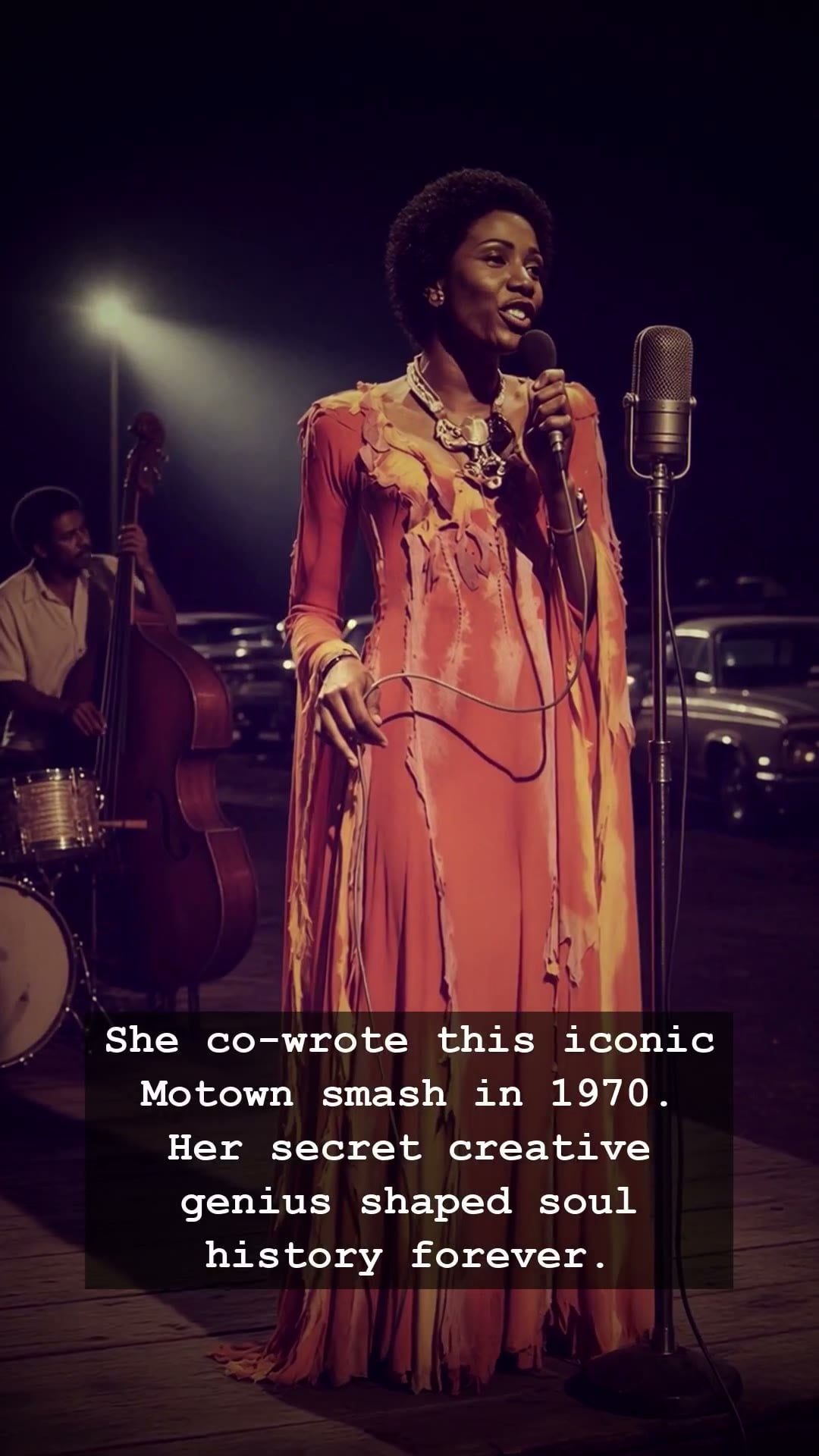
The year was 1970, and the airwaves in Detroit were crackling with a new, sophisticated vibration. While the world focused on the charismatic frontmen and the polished personas of Motown stars, a quiet revolution was taking place behind the glass of the recording studio. Hidden in the shadows of the legendary Hitsville U.S.A. offices sat a woman whose pen was sharper than any razor and whose melodic instincts defined an entire generation of soul. Her name was Syreeta Wright, a brilliant creative force whose secret fingerprints are pressed firmly onto some of the most unforgettable grooves in American history, yet her name often remained in the fine print of the liner notes.
Syreeta Wright was far more than just a background voice or a collaborator; she was the secret architect of the Motown sound that defined the early seventies. While the era is often remembered for the flash of disco balls at Studio 54 or the grit of jukeboxes in neighborhood diners, Syreeta was busy crafting the emotional DNA of soul classics. Her partnership with Stevie Wonder, both personally and professionally, birthed a sonic landscape that blended raw vulnerability with complex, orchestral arrangements. She brought a level of poetic intimacy to songs that captured the shifting cultural tides of an era struggling to find its footing after the turbulent sixties.
The magic she wove into her music wasn’t just about technical precision; it was about the heavy, often painful price of fame. In an industry dominated by men and rampant with exploitation, Syreeta navigated the pressures of the spotlight with a grace that masked her own internal battles. The studio was her sanctuary, a place where she could pour her disillusionment and love into lyrics that resonated with anyone who had ever felt the sting of a broken heart or the weight of a changing world. When you listen to those iconic Motown smashes today, you are not just hearing a melody; you are hearing the echoes of a woman who chose to pour her soul into the art rather than the ego.
Her legacy remains a testament to the artists who stood behind the curtain, shaping the cultural landmarks that we still treasure today. Whether it was the smooth, syncopated rhythms or the haunting lyrical depth, Syreeta Wright ensured that her contribution was indelible. Even as the industry transitioned from the analog warmth of reel-to-reel tapes to the neon-soaked excess of the MTV generation, the foundations laid by songwriters like her remained unshakable. She proved that you did not need to be the face on the album cover to be the heartbeat of the music.
Today, as we look back on the golden age of soul, it is essential to celebrate the brilliance of Syreeta Wright. Her journey from a background singer to a powerhouse songwriter captures the quintessential spirit of Motown—a place where talent could rise, even when it was tucked away in the shadows of giants. The next time you find yourself lost in the smooth, timeless groove of a 1970s soul record, take a moment to listen closer. You might just hear the whisper of a genius whose music refused to fade into history. Do you hear her influence in your favorite classic tracks?